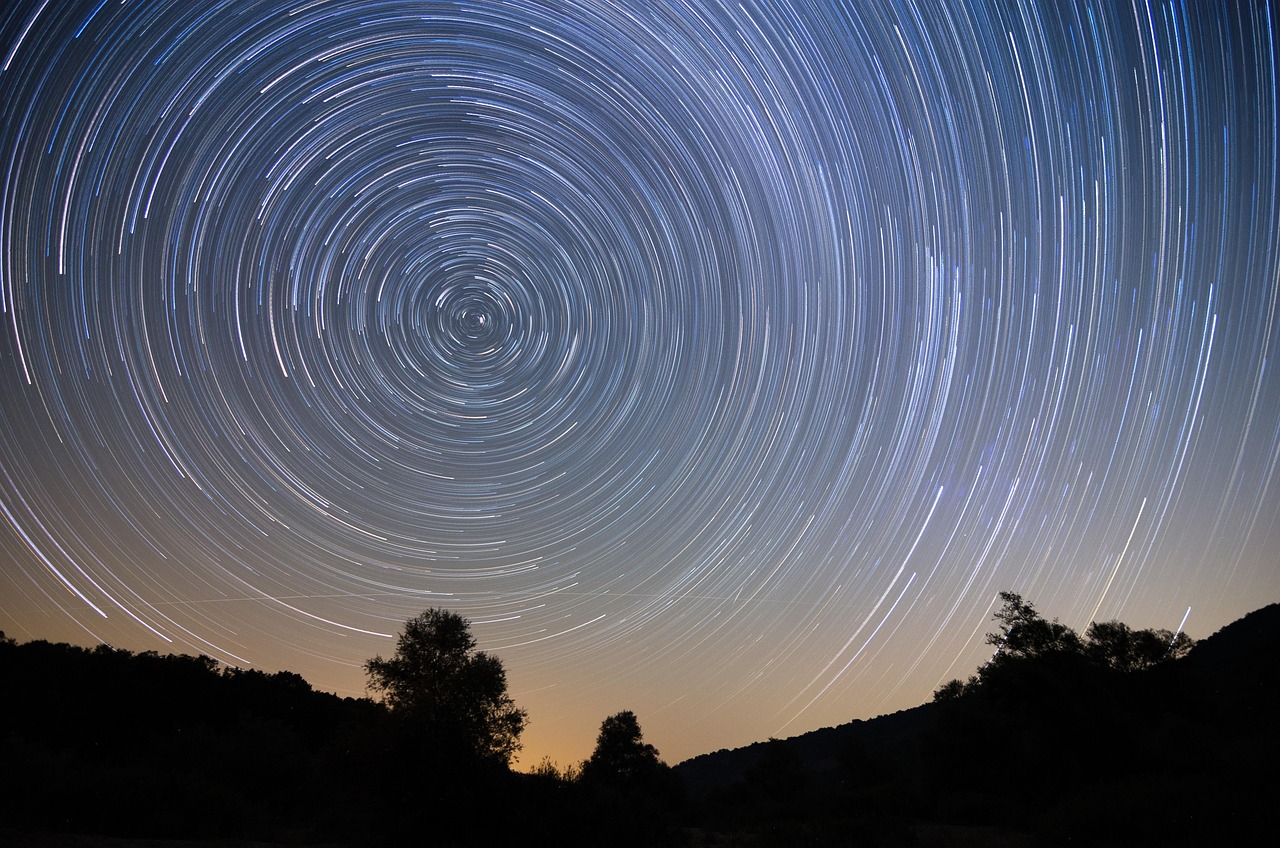
trust your heart
if the seas catch fire
(and live by love
though the stars walk backward)
e e cummings, dive for dreams
trust your heart
if the seas catch fire
(and live by love
though the stars walk backward)
e e cummings, dive for dreams

I cannot pretend I am without fear.
But my predominant feeling is one of gratitude.
I have loved and been loved;
I have been given much and I have given something in return; I have read and travelled and thought and written.
Above all, I have been a sentient being, a thinking animal on this beautiful planet, and that in itself has been an enormous privilege and adventure.
Oliver Sacks, Gratitude
It was what I was born for –
to look, to listen,
to lose myself
inside this soft world –
to instruct myself over and over
in joy,
and acclamation.
Nor am I talking
about the exceptional,
the fearful, the dreadful,
the very extravagant –
but of the ordinary,
the common, the very drab,
the daily presentations.
Oh, good scholar, I say to myself,
how can you help
but grow wise
with such teachings
as these –
the untrimmable light
of the world,
the ocean’s shine,
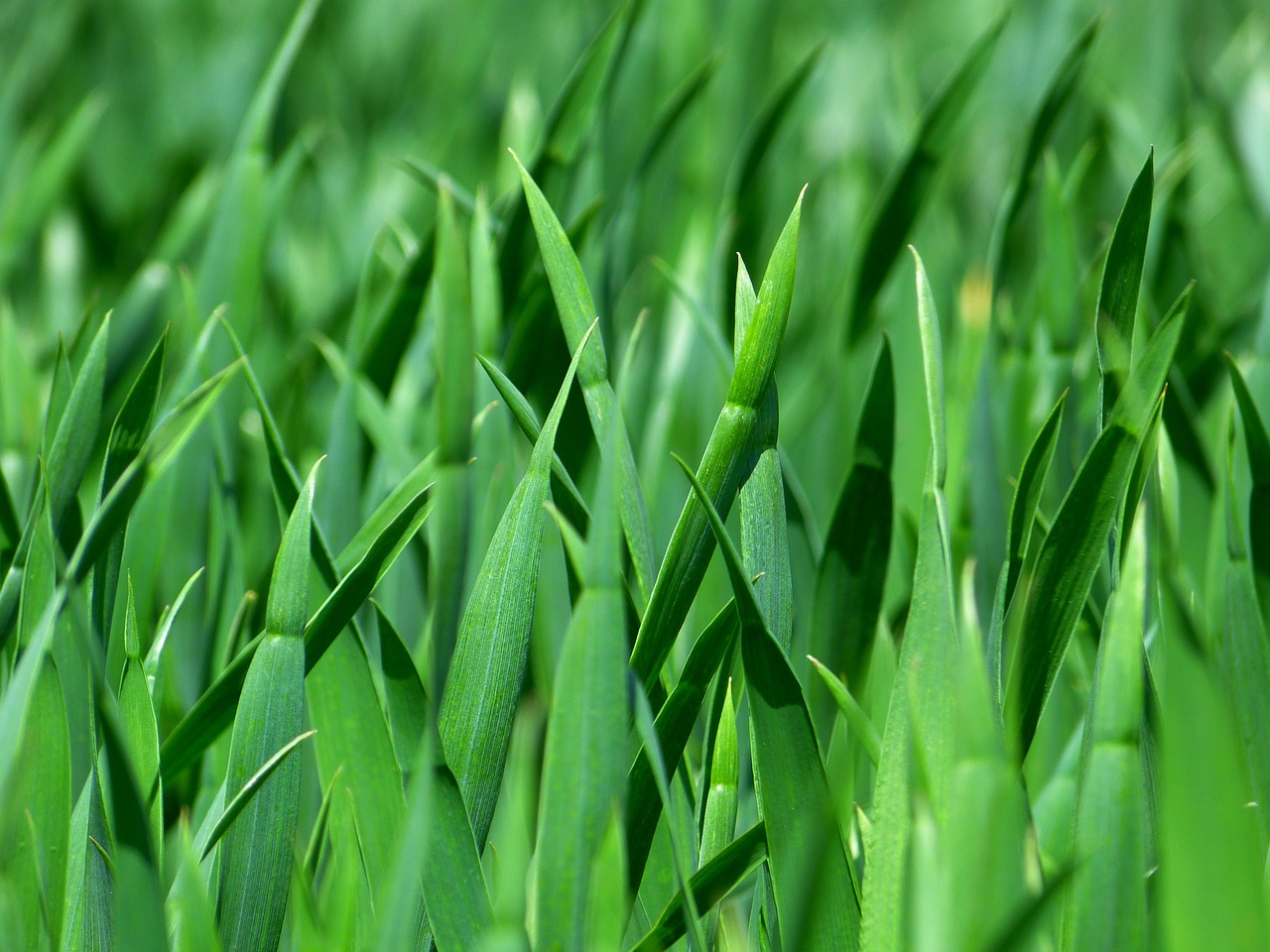
the prayers that are made out of grass?
Mary Oliver, Mindful
What you need,
what we all need, is silence,
Stop the noise in your mind,
in order for the wondrous sounds of life to be heard
Thich Nhat Hahn
What would it be like
to awaken to a day devoted to gratitude
a day of thankfulness for what was
and yet will be?
Stephen Levine
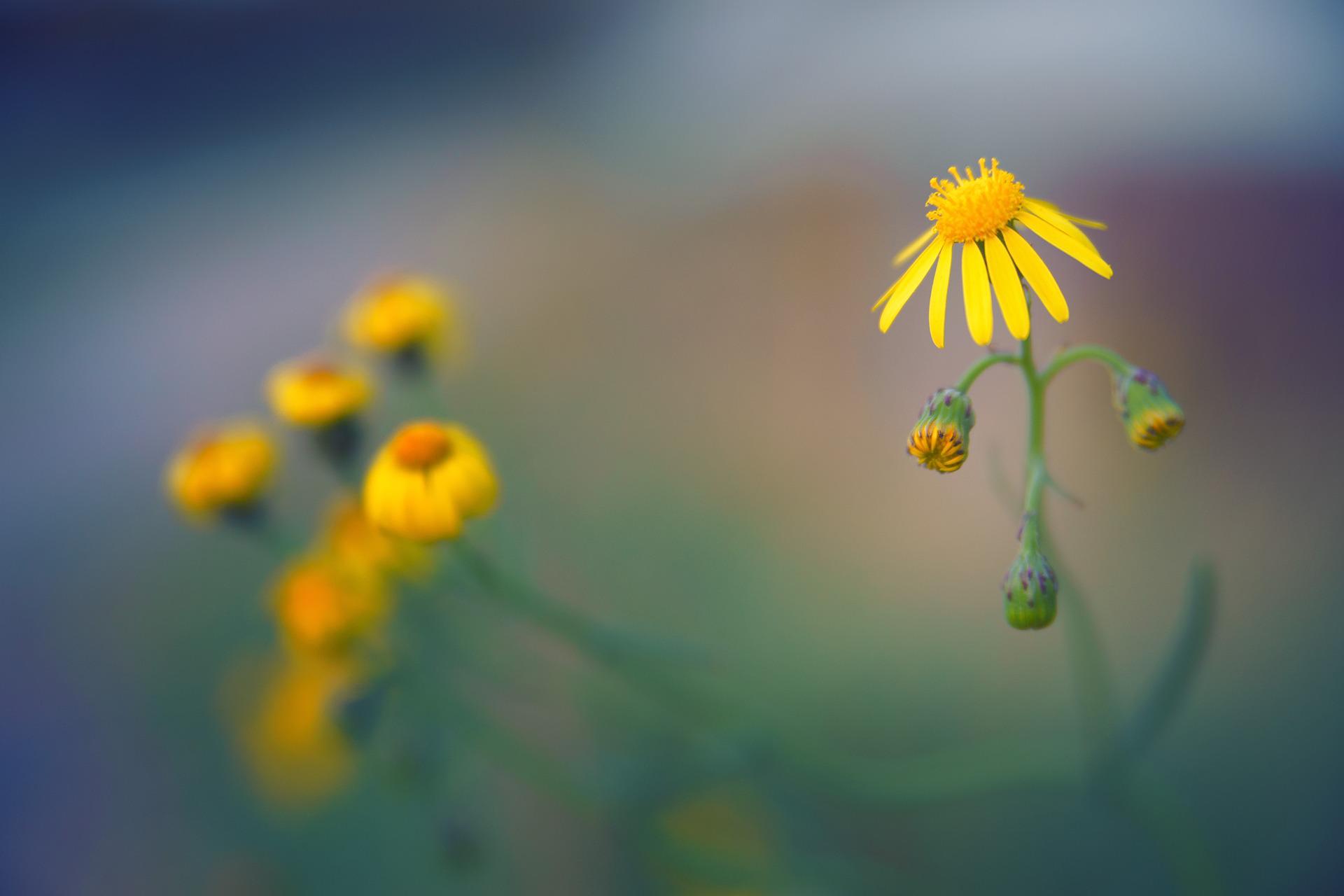
For the new month….
Every moment is a surprise, if we have the eyes to see it.
The more we cultivate awareness,
the more we realize that even the ordinary is extraordinary.
David Steindal-Rast
 Mindfulbalance