Six Simple Strategies for a Stress-Free Summer, 3.

Give yourself a break from the Snowball Effect of your Thoughts

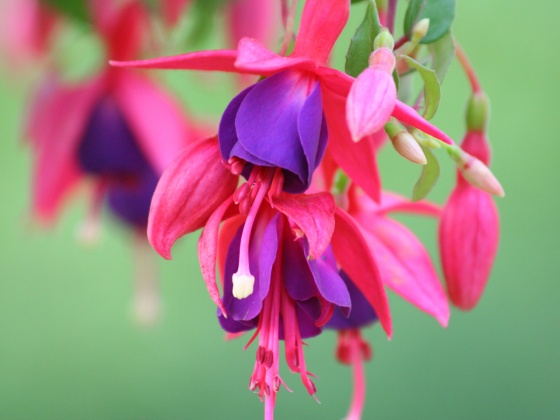
If you have done the first two practices in this series, you will have noticed how difficult it is just to be quiet or present to nature. Our minds get drawn away by the continual spinning effect of our thoughts. One thought leads to another, and yet another, until you feel agitated or upset or worried. If we get stressed, this can almost feel like a “thought attack.” When you notice your thoughts  starting to spin, consciously ground your posture and use awareness of your breathing to create a space before they build a momentum.  Try to shift your focus back to the present moment, to this period of quiet or to the sights of nature. Even a five minutes gap from our continual planning and ruminating can have an effect on our health.


Six Simple Strategies for a Stress-Free Summer, 2.

Walk in Nature and connect with a sense of wonder

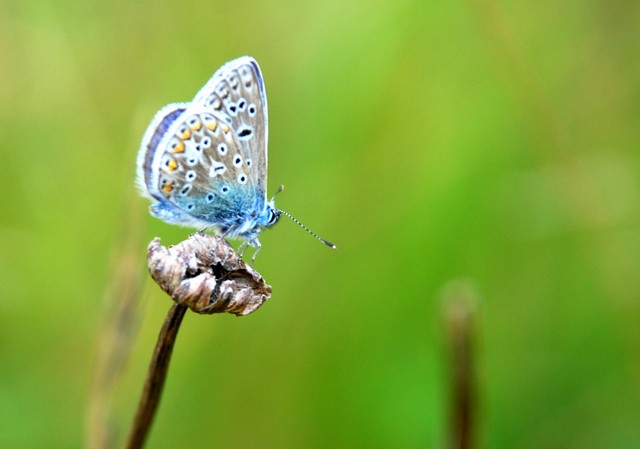
When we do walking meditation, we are using the physical, mental, and emotional experiences of walking to develop greater awareness. Walk slowly and let your attention rest on all the sensations in your body,  noting those inside your body and in its contact with the environment. When you step, feel the foot coming into contact with the ground and rising from it, and be aware of the rest of your body as you move. Contact with the earth “grounds” your attention in the present moment. From time to time stop and simply breathe. As you walk,  quietly say “thanks”  for the things in nature you notice –  for the birds, the sky,  the wild flowers and the trees.

Six Simple Strategies for a Stress-Free Summer, 1.

Maintain a Quiet Time Routine

Finding quiet time isn’t a luxury; it’s essential for protecting your health.  So, take time for yourself each day. The key is –  when will you practice meditation and where? It’s always easy to postpone our practice when we don’t have a designated time  for it.  A routine will strengthen your perseverence. Decide how long you will meditate. The best way to develop your meditation practice is to be consistent. Short sessions regularly are better than longer sporadic sessions . Start to enjoy the idea of regularity and routine.

Sunday Quote: Our basic wealth

We already have everything we need. There is no need for self-improvement. All these trips that we lay on ourselves–the heavy-duty fearing that we’re bad and hoping that we’re good, the identities that we so dearly cling to, – never touch our basic wealth. They are like clouds that temporarily block the sun. But all the time our warmth and brilliance are right here. This is who we really are.

Pema Chodron

Do you have time to love?

To love is, above all, to be there. But being there is not an easy thing. Some training is necessary, some practice. If you are not there, how can you love? Being there is very much an art, the art of meditation, because meditating is bringing your true presence to the here and now. The question that arises is: Do you have time to love?

Thich Nhat Hahn

Truly present

The deep meaning of many rules of conduct and more principles of the past — so many of which have been abandoned without our understanding their real roots in human nature — involved the cultivation and development of the uniquely human power of attention, its action in the body, heart and mind of man.  To be present, truly present, is to have conscious attention.  This capacity is the key to what it means to be human.

It is not, therefore, the rapidity of change as such that is the source of our problem of time.  It is the metaphysical fact that the being of man is diminishing.

Jacob Needleman, Time and the Soul