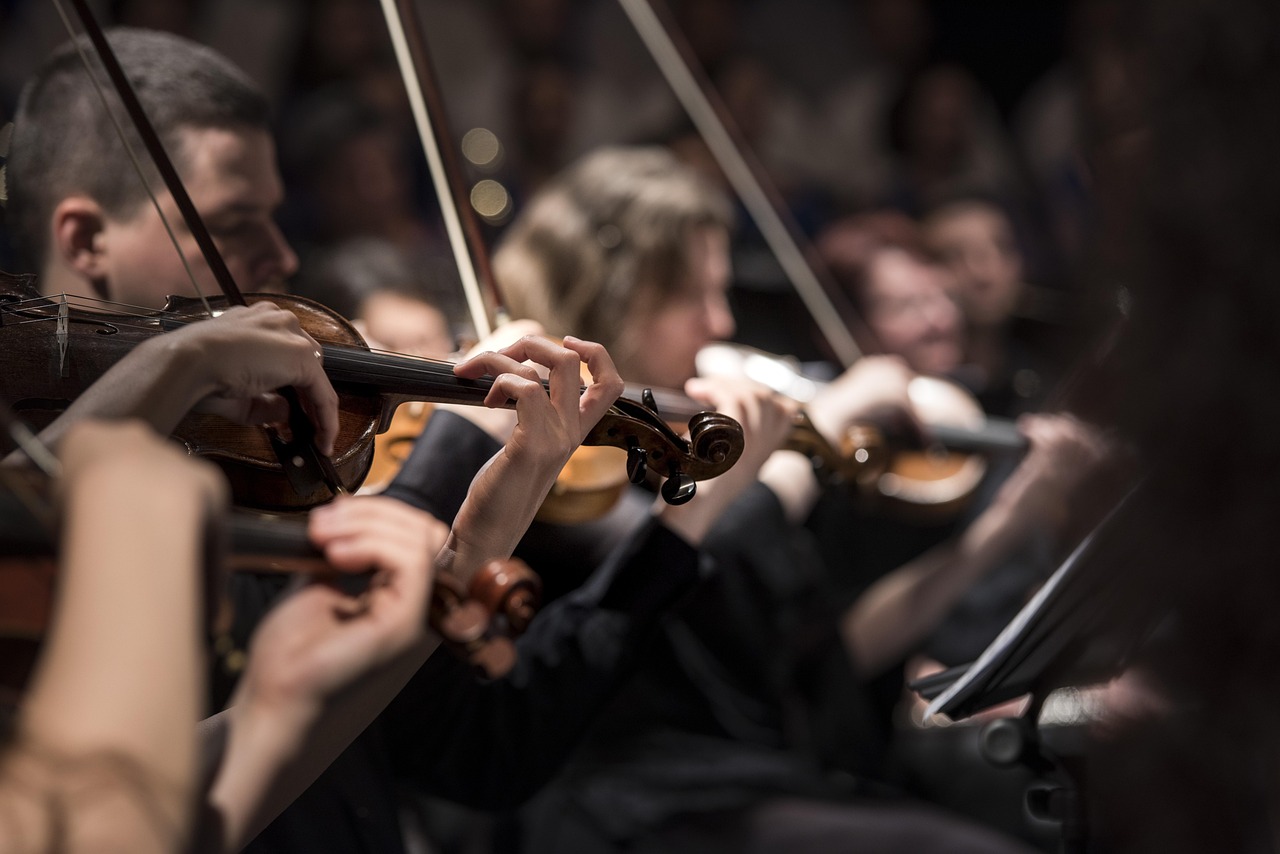
No one imagines that a symphony is supposed to improve in quality as it goes along, or that the whole object of playing it is to reach the finale. The point of music is discovered in every moment of playing and listening to it.
It is the same, I feel, with the greater part of our lives, and if we are unduly absorbed in improving them we may forget altogether to live them. Alan Watts
If you feel like you’re running out of time, read this: You’re not. This is just the story we’ve been sold, and it has become the shadow that lingers over everything we do.
Your life shouldn’t feel like a race, because it isn’t one. Where there are fast days, there should be slow days that follow, days where you can reflect and recalibrate because everything you are going through right now is preparing you for the next chapter, every challenge directly informing the decisions that you’re about to make for yourself.
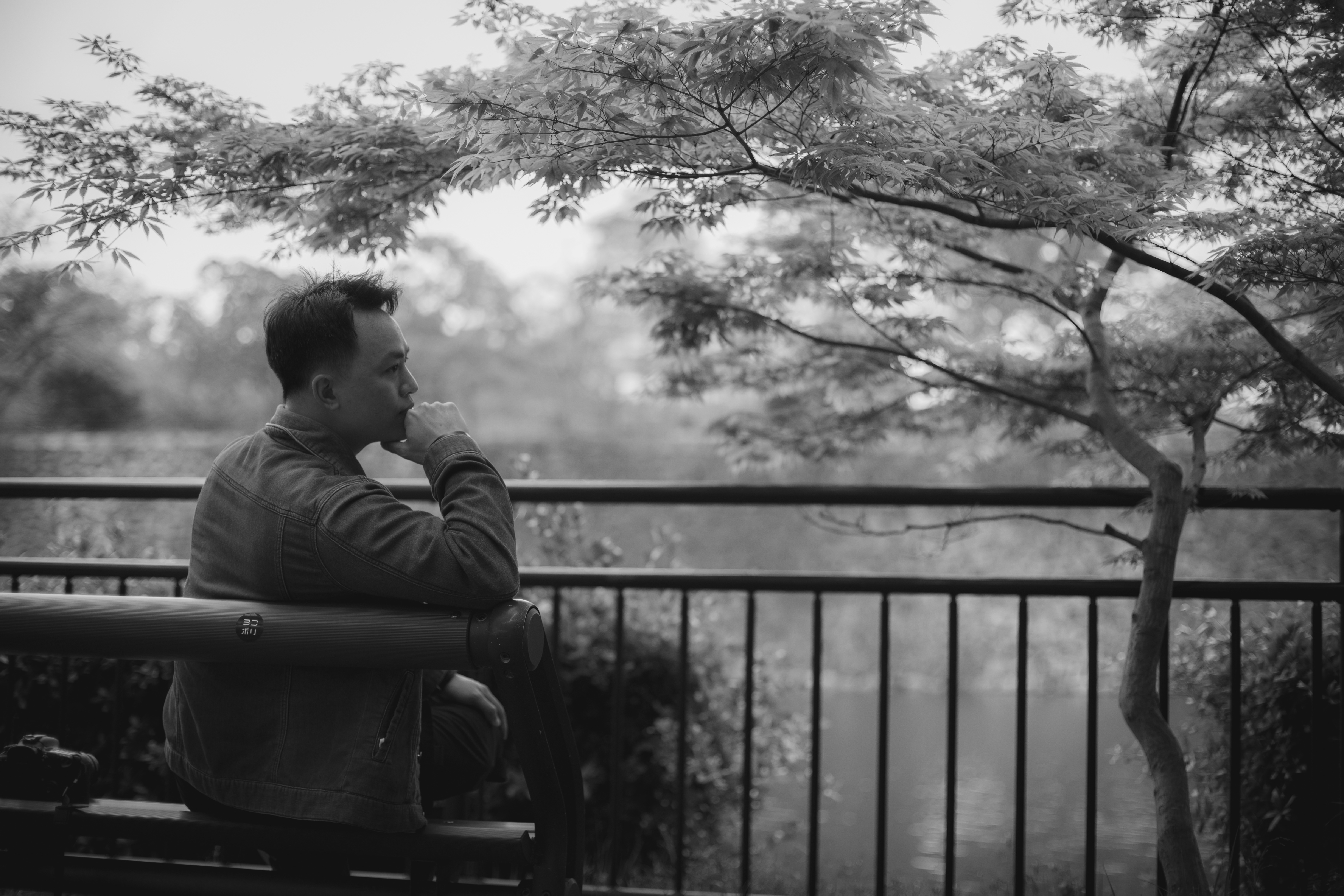
Being present will show you what is worth taking with you along the way as you navigate life because the destination won’t bring you peace unless you let the journey teach you who you are, and just how much capacity you have to experience change, both within yourself and in the world.
You aren’t running out of time, so don’t be afraid to slow down. Things fall into place when we create space for them to.