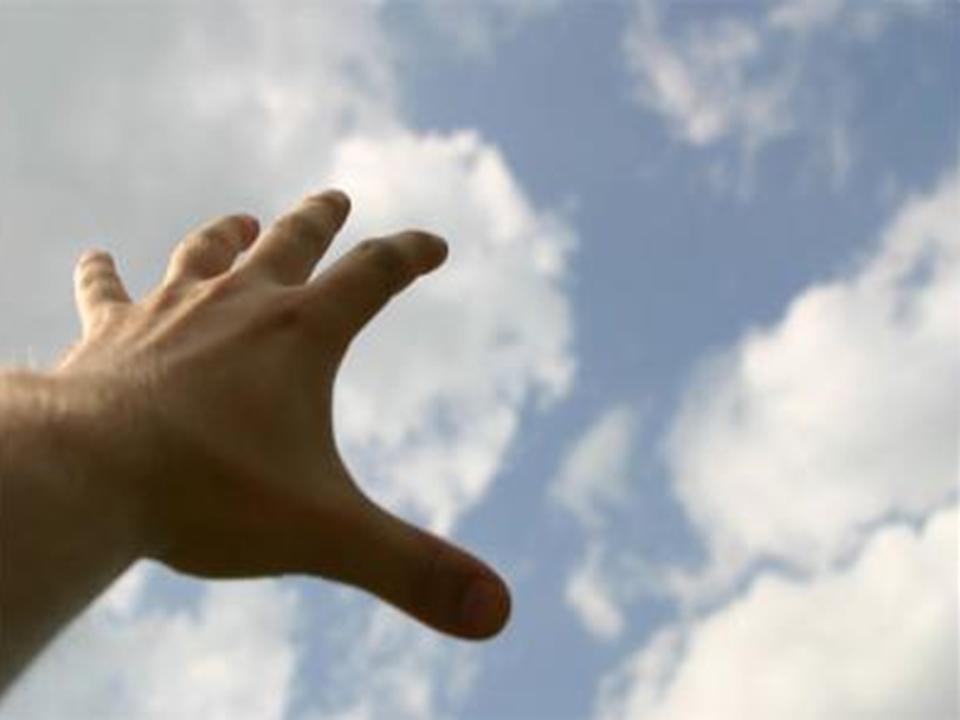
Our true nature is not some ideal that we have to live up to .
It’s who we are right now,
and that ‘s what we can make friends with and celebrate.
Pema Chodron
Our true nature is not some ideal that we have to live up to .
It’s who we are right now,
and that ‘s what we can make friends with and celebrate.
Pema Chodron
When you are frightened by something, you have to relate with fear, explore why you are frightened, and develop some sense of conviction. You can actually look at fear. Then fear ceases to be the dominant situation that is going to defeat you. Fear can be conquered. You can be free from fear if you realize that fear is not the ogre. You can step on fear, and therefore, you can attain what is known as fearlessness. But that requires that, when you see fear, you smile.
Chogyam Trungpa Rinpoche

We become just by performing just actions,
temperate by performing temperate actions,
brave by performing brave actions.
Aristotle

Fear is so fundamental to the human condition that all the great spiritual traditions originate in an effort to overcome its effects on our lives. With different words, they all proclaim the same core message: “Be not afraid.” . . . . It is important to note with care what that core teaching does and does not say. “Be not afraid” does not say that we should not have fears — and if it did, we could dismiss it as an impossible counsel of perfection. Instead, it says that we do not need to be our fears, quite a different proposition.
Parker Palmer.
 True fearlessness is wise action, not false bravado or blind reactivity. It requires that we take time and exercise discernment. Zen teacher Joan Halifax speaks about the “practice of non-denial.” When we feel afraid, we don’t deny the fear. Instead, we acknowledge that we’re scared. But we don’t flee. We stay where we are and bravely encounter our fear. We turn toward it, we become curious about it, its causes, its dimensions. We keep moving closer, until we’re in relationship with it. And then, fear changes. Most often, it disappears. [There are] many quotes from different traditions that speak to this wonder of fear dissolving. “If you can’t get out of it, get into it.” “The only way out is through.” “Put your head in the mouth of the demon, and the demon disappears.”
Margaret Wheatley, Can I be Fearless?
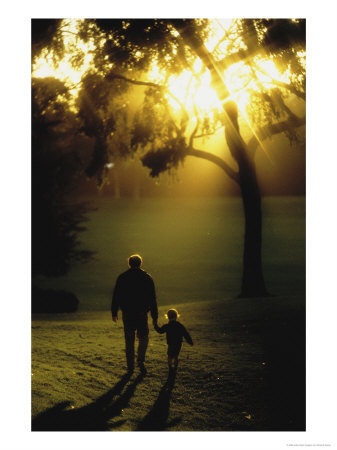 This post is related to the one a few days back which reported on the beneficial effect of meditation on the development and aging of the brain. As a person ages, the part of the brain knows as the hippocampus shrinks, especially in late adulthood. Since the hippocampus has functions which are related to memory, this shrinkage can lead to impaired memory and increased risk for dementia. So it is interesting to read the results of a study which shows that the simple act of walking may improve memory in old age.
This study provides good evidence that even a quite low-intensity exercise can lead to improved brain function, and reverse hippocampal volume loss in late adulthood, and backs up earlier research from the University of Pittsburgh which tracked the physical activity of 299 healthy men and women who had different walking habits. When brain scans were taken after nine years on the programme, it was revealed that those who had walked more had greater brain volume than those who walked less. Four years later, the same tests revealed that those who had walked the most — about 7 miles each week — were half as likely to have cognitive problems as those who walked the least.
 Mindfulbalance