All my life right and wrong, false and real, tangled.
Playing with the moon, ridiculing wind, listening to birds….
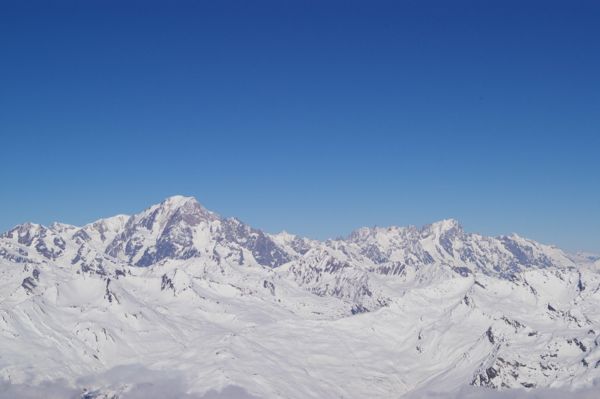
Many years wasted seeing the mountain covered with snow.
This winter I suddenly realize snow makes a mountain.
Dogen
All my life right and wrong, false and real, tangled.
Playing with the moon, ridiculing wind, listening to birds….
Many years wasted seeing the mountain covered with snow.
This winter I suddenly realize snow makes a mountain.
Dogen
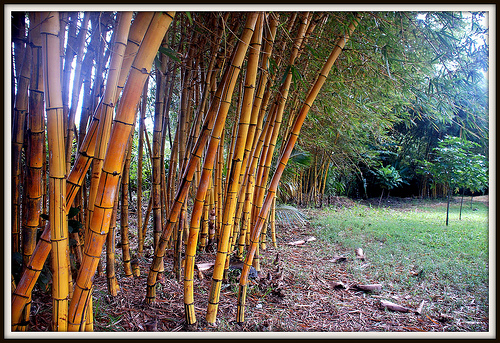
The wind whistles in the bamboo and the bamboo dances.
When the wind stops, the bamboo grows still.
A silver bird flies over the autumn lake.
When it has passed,
the lake’s surface does not try to hold on to the image of the bird.
Huong Hai
 It does not really get explained any more simply than this:
One day when our master Jamyang Khyentse was watching a lama dance in front of the Palace Temple in Gangtok…he was chuckling at the antics of the … clown who provides light entertainment between dances. [A Student] Ana Pant kept pestering him, asking him again and again how to meditate, so this time when my master replied, it was in such a way as to let him know that he was telling him once and for all: “Look, it’s like this: When the past thought has ceased, and the future thought has not yet risen, isn’t there a gap?” “Yes” said Ana Pant. “Well, prolong it. That is meditation”.
Sogyal Rinpoche, Glimpse after Glimpse.

We must be still and still moving
Into another intensity
For a further union, a deeper communion.
T.S. Eliot, East Coker
 The process of practice is to see through, not to eliminate, anything to which we are attached. We could have great financial wealth and be unattached to it, or we might have nothing and be very attached to having nothing. Most practice gets caught in this area of fiddling with our environments or our minds. ” My mind should be quiet”. Our mind doesn’t matter; what matters is non attachment to the activities of the mind. And our emotions are harmless unless they dominate us – that is, if we are attached to them- then they create dis-harmony for everyone. The first problem in practice is to see that we are attached. As we do consistent, patient practice we begin to know that we are nothing but attachments; they rule our lives. But we never lose an attachment by saying it has to go. Only as we gain true awareness of its true nature does it quietly and imperceptibly wither away; like a sandcastle with waves rolling over, it just smooths out and finally Where is it? What was it? …
Charlotte Joko Beck
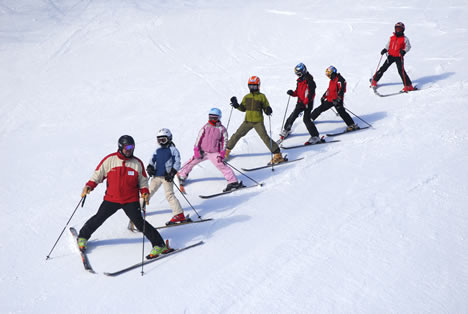
We all well know, as the contemporary Tibetan master Jogme Khyentse Rinpoche reminds us, that ” we don’t need to train our minds to improve our ability to get upset or jealous. We don’t need an anger accelerator or a pride amplifier”. By contrast, training the mind is crucial if we want to refine and sharpen our attention, develop emotional balance, inner peace and wisdom, and cultivate dedication to the welfare of others. We have within ourselves the potential to develop these qualities, bit they will not develop by themselves or just because we want them to. They require training. And all training requires perseverance and enthusiasm. We won’t learn to ski by practising one or two moments a month.
Matthieu Ricard, The Art of Meditation
 Mindfulbalance