 Another post on working with the past. Typically, after tidying the garden over the weekend, the wind rose last night and scattered bins, leaves, twigs and nests, reminding us – and the birds – that it is not quite Summer, despite the warm temperatures. And coincidentally, the reading for today in Mark Nepo’s lovely book The Book of Awakening is about damage and hurt in our lives, so I thought I would share it here. Dealing with the past sometimes means moving on and letting go and at other times means healing what has been wounded or repairing what has been broken:
Stones loosened by storms cover paths, and uprooted trees break newly formed nests, and crisis after crisis throws us into each other. It is inevitable. Stay alive and you will be hurt, and you will also hurt others. Unintended hurt is as common as branches snapped in wind. But it is the unacknowledged hurt that becomes a wound.
Being human, we are subject to many ancient and powerful opposites found in life. Among those that impact us constantly are light and dark, yes and no, and especially fear and peace. For it is out of fear that we feel the need to isolate ourselves or to control others, and it is often in the act of elevating ourselves that we hurt one another, not to mention ourselves.
Still, as no one in daily life is exempt from both sleeping and waking, no one can escape feeling both fear and peace, and so, no one can escape being both hurtful and loving. But the world is kept whole by those who can overcome their fear, however briefly. The blood of life itself is kept vital by those who can simply and bravely repair their separations, time and time again.
 The goal of attention, or shamatha, practice is to become aware of awareness. Awareness is the basis, or what you might call the “support,” of the mind. It is steady and unchanging, like the pole to which the flag of ordinary consciousness is attached. When we recognize and become grounded in awareness, the “wind” of emotion may still blow. But instead of being carried away by the wind, we turn our attention inward, watching the shifts and changes with the intention of becoming familiar with that aspect of consciousness that recognizes Oh, this is what I’m feeling, this is what I’m thinking. As we do so, a bit of space opens up within us. With practice, that space—which is the mind’s natural clarity—begins to expand and settle.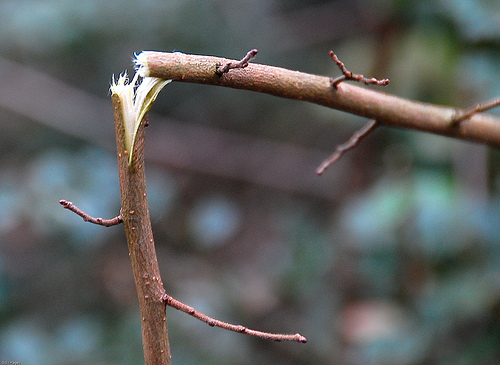




 Mindfulbalance