 At the start of August I wrote about the kitten whom our neighbours had brought home, little Minette, and the lessons I could learn from her trust and playfulness. Since then she became a regular feature in our house, coming over early in the morning for what I suspect was her second breakfast and generally exploring under the settee and in the garage, sitting beside me with loud purring or chasing flies at the window.
When I arrived home today my neighbour came to meet me with tears in her eyes. Minette had been attacked in the evening time by another cat and had been badly wounded. Despite the best efforts of the vet she was in too much pain and the decision was made to put her down. My neighbours could not sleep the night she was struggling between life and death, their children really upset at the loss of their little pet.
I was saddened by the loss of this little friend, who brought so much joy each day. I know that my sense of loss is not as great as that of my neighbours, and that the kitten was just a few months old. However, we suffer small losses and disappoinments each day. As I have posted before, Stephen Levine reminds us that grieving that has to go on for all the little losses and disappointments that happen throughout our days. He calls this “our ordinary, everyday grief” which builds up following the “disappointments and disillusionment, the loss of trust and confidence that follows the increasingly less satisfactory arch of our lives”.
How to deal with this loss today and the other reminders that life is less than satisfactory at times? I am increasingly noticing the dialogue in my life between the the seeming opposities of attachment and flight, drawing close and keeping distance. And the wisdom traditions seem to have different teachings which emphasize these different dynamics in the soul. It is not hard to find statements that recommend detachment or flight, such as the traditional Buddhist exhortation to frequently remind ourselves that “we and everyone we hold dear will die”. It is clear that some detachment from changing reality is necessary, especially when one sees too much fulfillment in the material aspects of this world. However, that does not work for me today. In relationships I can sometimes I use that idea as an excuse not to engage. I prefer to see Minette’s short life as being almost perfect, in that she lived fully in this world celebrating her closeness to her family and to us in a joyful way. She trusted and loved fully and did not hold back. Her personality was to be attached and to engage. As I wrote when I first met her, she existed without running the story lines, based on the wounds in our own relationships, which lead us to mistrust and hold back. She did not worry about the meaning of life. She lived.
The soul has an equal task and commitment, to find the treasures and explore the ins and outs of life by being attached. Just as there is spiritual practice in search of the highest and most refined reaches of human potential, so there is soul practice in pursuit of the juices and nutriments of life’s entanglements.
Thomas Moore, Soulmates
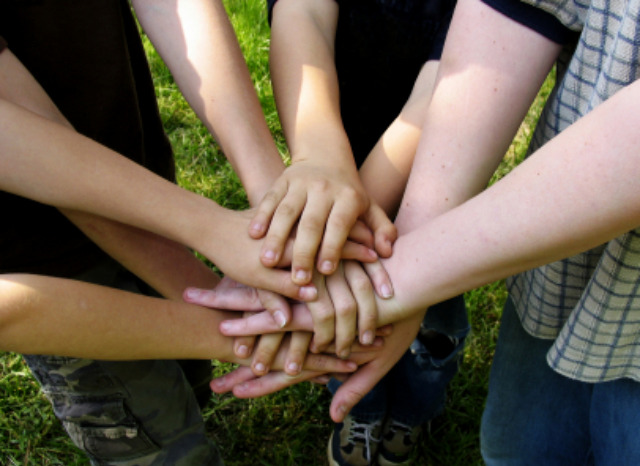 I have always liked the person of Barnabas in the New Testament. He was known as the “Son of Encouragement”. I have always felt that I would love to be known like that, as one who encourages. We all need encouragement and know what it feels like when someone believes in us. Someone who sees us, not as we are, but as we have the potential to become. That gives us courage.




 Mindfulbalance