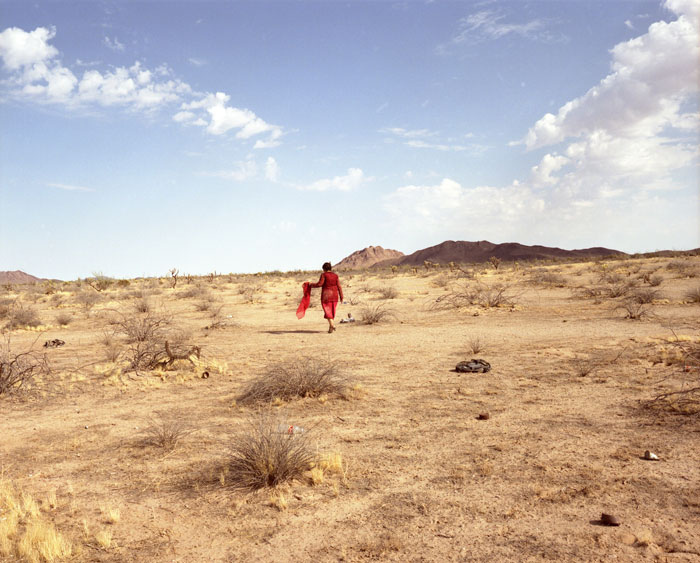
 This week celebrates the feast of Saint Anthony, the founder of monastic practice in the Western Church. He went out into the desert at a young age to remove himself from some of the normal distractions in order to pay attention to what is really necessary. Most wisdom traditions have some reference to desert places, or retreats, as a time for deepening or as a symbol for certain periods in our lives. We can have periods when we enter our own deserts and are forced to re-evaluate what is important and see what is really needed.
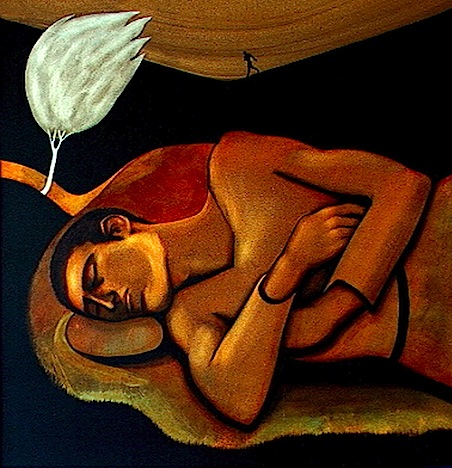
Deserts can be lonely and bleak places, however. So one of my favourite desert stories is that of Elijah who, in a period of danger, ran away into the barren desert. Elijah was a strong, forceful character, but after a setback in his ministry, he lost heart and became frightened. He had no more motivation and lay down in the shade of a tree, wishing he would die. However what he found was that an angel touched him gently and gave him bread baked on coals and water, telling him to eat in order to continue on his journey. He ate but had only the energy to sleep again. Again the angel gently touched him and encouraged him on his journey. Eventually Elijah rose and walked for forty days and nights to the Mountain of God.
As I have said before, these stories can be read on a number of levels. Elijah is like a lot of us when events or people turn against us. It can lead us to doubt ourselves and the direction we have taken. Sometimes we feel we cannot go on anymore. We may feel totally alone in the world. It is at that point, that frequently an “angel” comes to comfort and support us, someone whose encouragement or understanding simply gives us the strength to go on. An angel is a companion on our journey, sometimes a person, sometimes other circumstances. This angel is gentle and wakes Elijah up slowly. In our lives we notice that often others do not give up on us as easily as we give up on ourselves. They are patient with us. I have found that they come into our lives at moments of difficulty, when we need consolation and comfort, restoring our trust, bringing us back to ourselves. At our deepest level having someone to share our hopes and fears with is what refreshes us most.
This presence becomes the nourishment we need at that time. In the story the angel brings bread baked on coals, symbolizing the ashes of the past experience. The angel opens our eyes and shows us what is right beside us to eat, which we had not seen up to that point. We have strengths within us that we are unaware of. Even in the desert of our difficulties there is bread. With the support from others, encouraged, we move on for forty days – forty being the biblical number for transformation – leaving behind the past, moving on to a deeper sense of self.




 Mindfulbalance