The afternoon of life is just as full of meaning as the morning;
only its meaning and purpose are different.
C. G . Jung
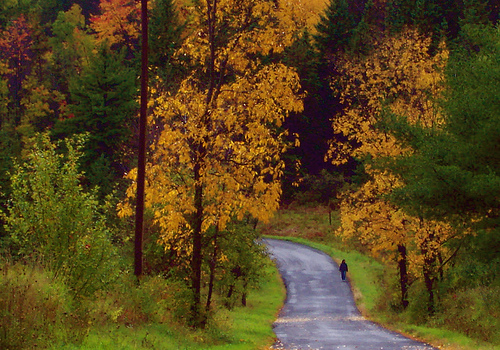
The first of the leaves are starting to change colour here in Ireland, announcing the immanent arrival of a change in the seasons. So, a short reflection on the different rhythms and periods in our lives. Nikos Kazanzakis once told of a talk he had with an old monk about the changes that happen in life. He asked him “Do you still struggle with the devil?” “Oh, no,” the old man replied, “I used to struggle with him, when I was young, but now I’ve grown old and tired and the devil has grown old and tired with me. We leave each other alone!” “So it’s easy for you now?” asked the young Kazantzakis. “Oh no,” replied the old man, “it’s worse, far worse! Now I wrestle with God!”
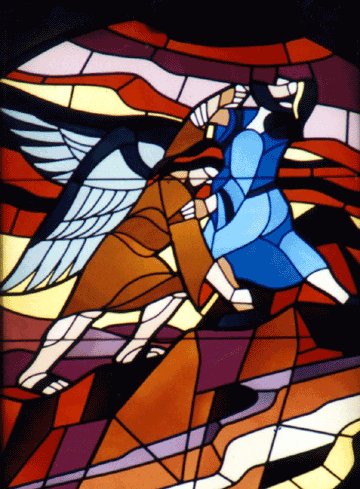
The Old Testament story of Jacob wrestling with God all night long is in the background here. What the monk suggests is that there are different challenges or tasks at different times in our lives, and that struggles can mean growth and are not necessarily a sign of problems. In the early part of our life the main task is to develop the ego sufficiently to leave ones parents and establish oneself in the world. There is a certain, necessary, focus on establishing a career, independence and relationship, with a paradigm of succeeding. So one can be driven by the strong forces of ambition and the need for achievement, position and a recognized role.
The task in the second part of life is quite different. The struggles can be can be other than what we had to face earlier on. The drive for success which marked the first years has achieved all it can or has not delivered the fulfillment it promises. The underlying needs of the Self begin to assert themselves. What I notice most in working with clients is that a new paradigm is needed. A deeper struggle – this time largely inside the person – takes place, often to fill in the missing pieces of the personality, neglected up to now. The challenge is to become more honest and more whole, to free what was blocked and live life most fully. We have to wrestle, sometimes with a crisis, defeat, disappointment or loss, in order to leave behind patterns or strategies that are no longer effective and will no longer bring us growth.
I mean the Angel who appeared
to the wrestlers of the Old Testament …
Whoever was beaten by this angel
(who often simply declined the fight)
went away proud and strengthened
and great from that harsh hand
that kneaded him as if to change his shape.
Winning does not tempt that man.
This is how he grows: by being defeated, decisively,
by constantly greater things.
Rilke, The Man Watching