
The only real prison is fear,
and the only real freedom is freedom from fear.
Aung San Suu Kyi
The only real prison is fear,
and the only real freedom is freedom from fear.
Aung San Suu Kyi
 Many poets are not poets for the same reason that many religious men are not saints: they never succeed in being themselves. They never get around to being the particular poet or the particular monk they are intended to be by God. They never become the man or the artist who is called for by all the circumstances of their individual lives. They waste their years in vain efforts to be some other poet, some other saint…They wear out their minds and bodies in a hopeless endeavor to have somebody else’s experiences or write somebody else’s poems.
Thomas Merton
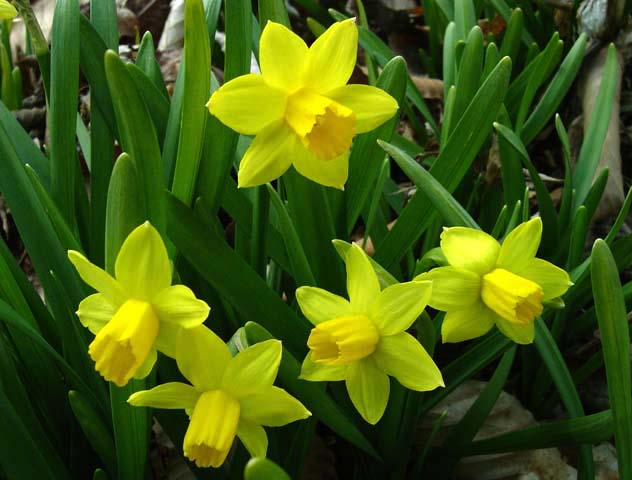 Today I rose early and the weather had cleared after yesterday’s rain. It was a lovely fresh morning, before the cloud and mist moved in again. The birds are beginning to sing again and there was a sense of light and joy. Bright mornings make it easy to feel clear and spacious within. And when we do, we find it not so difficult to be kind. It makes it possible to believe in the natural goodness deep inside us. However, even with bright starts on days like this we can still see that the mind has brief moments when it can get confused and dark. When a combination of circumstances come together that frighten us, we can become flustered and defensive. It is always interesting to see the mind’s capacity to wander from the way things are and live in thoughts and wonderings and wishing things were other, with the potential narrowing that this brings.
In sitting practice we are reminded to practice “starting over” – to return again and again to the breath when the mind wanders, without being harsh with ourselves. It is a lesson for life also. We frequently get distracted. We sometimes get lost. And then we wander away from the natural kindness that exists when we are calm. So the practice is to simply try to start over again, by dropping into this moment, noticing what we are doing, becoming conscious of the breath or of the sensations in our body. We do not need to add the extra judgment about how unworthy our behaviour makes us to the existing situation. We do not make a drama out of it. We acknowledge honestly and simply that we have gotten lost, or are in the wrong, and then go back to start over again.

God sends ten thousand truths, which come about us like birds seeking inlet, but we are shut up to them, and so they bring us nothing, but sit and sing awhile upon the roof, and then fly away.
Henry Ward Beecher
 I was looking at some old family photographs last week. These black-and-white images from when I was a child on holidays capture little moments, frozen for all time. In them I can see myself when I was young and carefree, smiling easily, not observing myself, not wondering how I am doing. Looking at them I easily get back in touch with a time when love was given without complications, a love that was genuine and asked for little in return. Times were simple, and we were simple too. We embraced life – and each other – freely.
Life has changed everyone in this photograph, as it does all people. The naturalness of childhood, with its trust and more open spirit, makes way for the passing of time, for older, supposedly wiser years, for the onset of worries, and for a focus on ourselves and doubts about what once seemed so sure. We grow up, and as we do we become less open, more complicated. We begin to guard and armour the heart, hardening in our attitude towards others and toward life. The sad thing is, we convince ourselves that this is right.
I am sure that everyone reading this has memories like the ones I have when I look at a picture such as this. We all wonder where did all that optimism and openness go? What happened to the love that we gave to others over the years, that we invested with the best of our intentions? All those dreams, that looking forward to something good, to something that would endure for ever, and would be there in good times and bad?
It seems to me that all of us are doing our best in a life story where we are never really sure of the conclusion. A story where we try to live good lives, and be fair to others, and yet still learn that there is a lot of things that are outside our control and where we have to learn through pain and sorrow. And in some cases, the simple openness does not work; we realize that we have to let go and trust in a process that we cannot understand. Why do some things not work out, some good people get ill and die, friends move away and no longer stay in touch? And yet, even if we have been visited by sadness or have been hurt, we keep touching back into that young heart, which believes in the goodness of life and in the power of love and of friendship. We have to move on, holding on to our hopes despite the unresolved aspects of our life and our story. We are asked just to try, and try again, and then again some more. The greatest tragedy would be to let the experiences of life convince us that the optimism and smiles we had as children were completely misplaced.
Our early ex periences strongly shape our sense of self. They become hard-wired into our unconscious system and then are triggered easily at important moments in adulthood. Because they are so deeply ingrained in our cells they can influence us when we are drawing conclusions about the kind of person we are. Frequently they are concerned with laying down a blueprint as to how reliable or safe the world is, and to what extent others can be trusted. This influences the broad autobiographical narrative which tends to be established by our late teens, colouring our expectations about life and about people. We are balancing our experiences of attachment or closeness with our experiences of unreliability and disappointment. Early disappointment affects our ability to trust or feel safe, or to fully give ourselves in adult relationships. Consequently we often approach a relationship in the hope that it will be the one which will finally heal these early disappointments – hoping to rewrite the relational blueprint which caused us problems as a child – or behave in a way that our negative expectations will be confirmed. Sometimes the repair happens, but often we are looking outside for something which needs inner work to be fully achieved.
We are wired for attachment
in a world of impermanence.
How we negotiate that tension
shapes who we become.
Robert Neimeyer, Ph.D.

