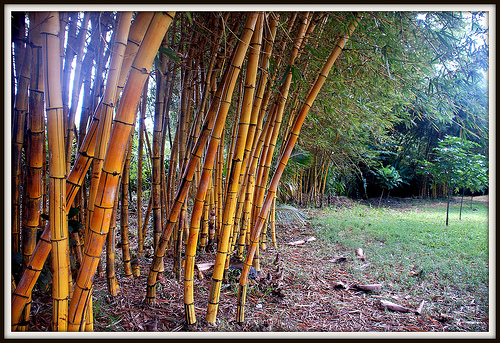
The wind whistles in the bamboo and the bamboo dances.
When the wind stops, the bamboo grows still.
A silver bird flies over the autumn lake.
When it has passed,
the lake’s surface does not try to hold on to the image of the bird.
Huong Hai
The wind whistles in the bamboo and the bamboo dances.
When the wind stops, the bamboo grows still.
A silver bird flies over the autumn lake.
When it has passed,
the lake’s surface does not try to hold on to the image of the bird.
Huong Hai
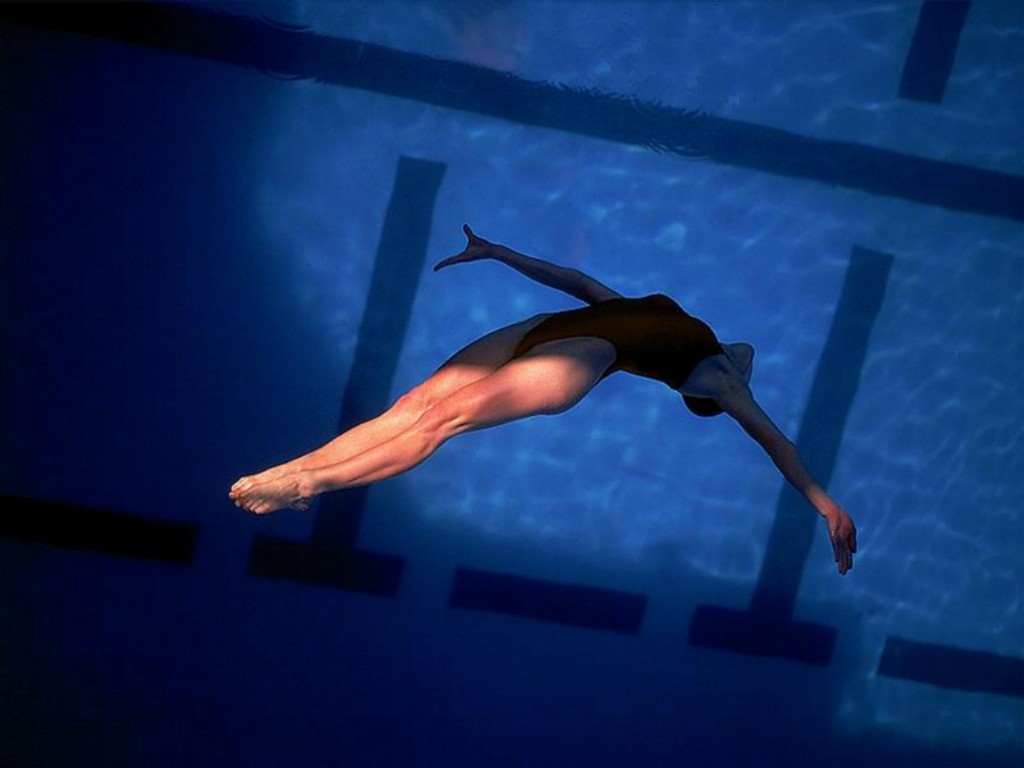 True fearlessness is wise action, not false bravado or blind reactivity. It requires that we take time and exercise discernment. Zen teacher Joan Halifax speaks about the “practice of non-denial.” When we feel afraid, we don’t deny the fear. Instead, we acknowledge that we’re scared. But we don’t flee. We stay where we are and bravely encounter our fear. We turn toward it, we become curious about it, its causes, its dimensions. We keep moving closer, until we’re in relationship with it. And then, fear changes. Most often, it disappears. [There are] many quotes from different traditions that speak to this wonder of fear dissolving. “If you can’t get out of it, get into it.” “The only way out is through.” “Put your head in the mouth of the demon, and the demon disappears.”
Margaret Wheatley, Can I be Fearless?
 It does not really get explained any more simply than this:
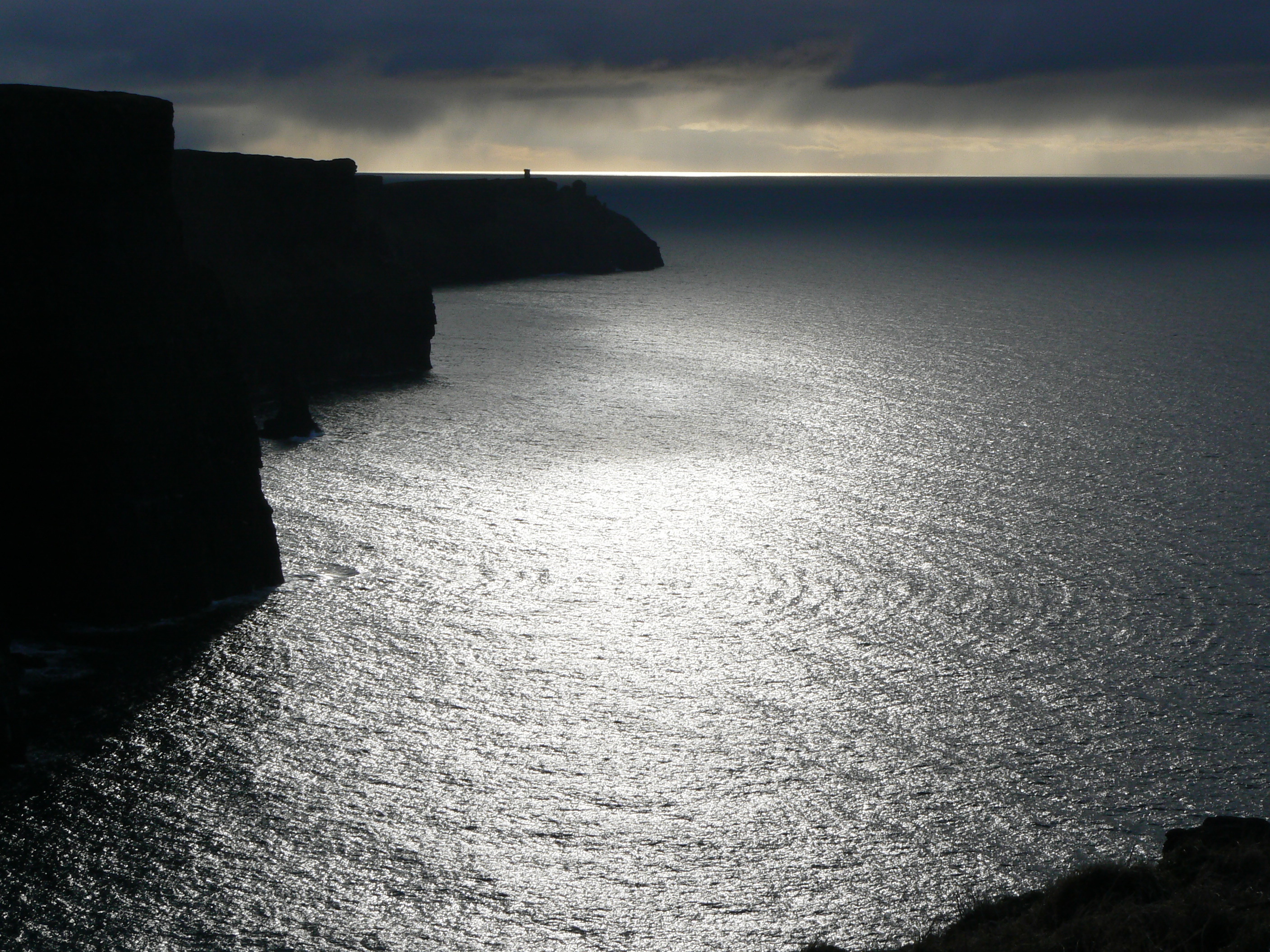
One day when our master Jamyang Khyentse was watching a lama dance in front of the Palace Temple in Gangtok…he was chuckling at the antics of the … clown who provides light entertainment between dances. [A Student] Ana Pant kept pestering him, asking him again and again how to meditate, so this time when my master replied, it was in such a way as to let him know that he was telling him once and for all: “Look, it’s like this: When the past thought has ceased, and the future thought has not yet risen, isn’t there a gap?” “Yes” said Ana Pant. “Well, prolong it. That is meditation”.
Sogyal Rinpoche, Glimpse after Glimpse.
 Do you notice a tendency to measure or compare yourself with others or with the easy happiness which is portrayed in the media?
We hear, imagine and watch so many stories! Our life is becoming more and more inundated with TV shows, movies, magazines, and newspaper articles that seem to show us what life is like. And then the inevitable comparisons arise: “My life isn?t like that” or “I wish it were” or “It is exactly like that”. The moment we notice painful or sad feelings arising from thoughts like “I’m unloved. I feel separate and isolated” can we immediately stop, look and listen, instead of going on weaving fancy narratives about ourselves? Can we stop and ask “Where is this feeling coming from?” Right now. Asking right this moment. Becoming more transparent to thoughts and images that evoke these feelings and then deepen, embellish, and propagate them.
Toni Parker, The Silent Question

No one else has access to the world you carry around within yourself; you are its custodian and entrance. No one else can see the world the way you see it. No one else can feel your life the way you feel it. Thus it is impossible to ever compare two people because each stands on such different ground. When you compare yourself to others, you are inviting envy into your consciousness; it can be a dangerous and destructive guest.
John O Donoghue, Anam Chara
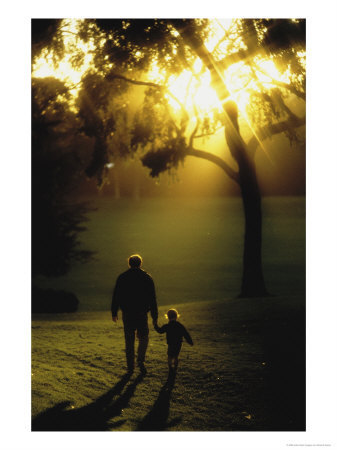 This post is related to the one a few days back which reported on the beneficial effect of meditation on the development and aging of the brain. As a person ages, the part of the brain knows as the hippocampus shrinks, especially in late adulthood. Since the hippocampus has functions which are related to memory, this shrinkage can lead to impaired memory and increased risk for dementia. So it is interesting to read the results of a study which shows that the simple act of walking may improve memory in old age.
This study provides good evidence that even a quite low-intensity exercise can lead to improved brain function, and reverse hippocampal volume loss in late adulthood, and backs up earlier research from the University of Pittsburgh which tracked the physical activity of 299 healthy men and women who had different walking habits. When brain scans were taken after nine years on the programme, it was revealed that those who had walked more had greater brain volume than those who walked less. Four years later, the same tests revealed that those who had walked the most — about 7 miles each week — were half as likely to have cognitive problems as those who walked the least.

