Cultivating appreciation

Today was another beautiful day here, with early Spring sunshine. And in the afternoon I was fortunate to walk the lanes near my house and look over the fields at the Jura mountains nearby. It was another day where I was struck by the ordinary, simple, kindness of people and their support, as well as moved by the struggles and pains of others who are simply trying to make the best of life with the gifts and talents at their disposal. On days like this  it is easy to find space in one’s mind for kindness and spaciousness and practice appreciation for all the good things, big and small,  that come our way. This  wakens us up to all the gifts which are given to us.  When we do this we strengthen our capacity to be calm and relax with life as it is, not as how we want it to be. We are looking at the abundance that it already present in our heart and in our life, not  complaining about what we do not have.

Appreciation is a relaxing and peaceful state of mind. It creates a space in which we can accommodate the vicissitudes of life and even think of the welfare of others. Complaint, on the other hand, is frustrating and painful. There’s an element of anger and fixation involved. We are believing our thoughts, taking them to be real. Our attachment to the concept of how we want things to be is stressful, because that concept is always disintegrating. What we wanted to happen is not happening. We think complaining is going to get the world back on our track, but really it results in our being deaf, dumb and blind to the present moment. Narrowing our mind with complaint is unpleasant and claustrophobic, the opposite of contentment.

When we complain, we’re saying that the world needs to change in order for us to be okay. If only our parent or partner would behave differently, if only the food were better, if only there were less traffic, if only the service were quicker—then we’d be happy.

Sakyong Mipham Rinpoche.

Reducing stress: Just be aimless for a while

This is good advice when the weather is as beautiful as it is today. Sometimes stress comes at us in the form of busyness or deadlines at work, which do not give up. Therefore it is good for us to take time out from them – even ten minutes – and to simply have time for ourselves without the pressure  to respond to others or to timetables. All the better if this can be done outdoors, in a park or by the Lake:

Each of us needs to withdraw from the cares which will not withdraw from us.  We need hours of aimless wandering or spates of time sitting on park benches, observing the mysterious world of ants and the canopy of treetops.

Maya Angelou

We grow our own future


The heart is like a garden.

It can grow compassion or fear, resentment or love.

What seeds will you plant there?

Buddha

When things feel heavy

When we feel heavy, or are weary, and we want to rise from all that saddens our souls, we can turn to nature these days as it stirs from its winter slumber, and let it nourish and give wings to our imagination:

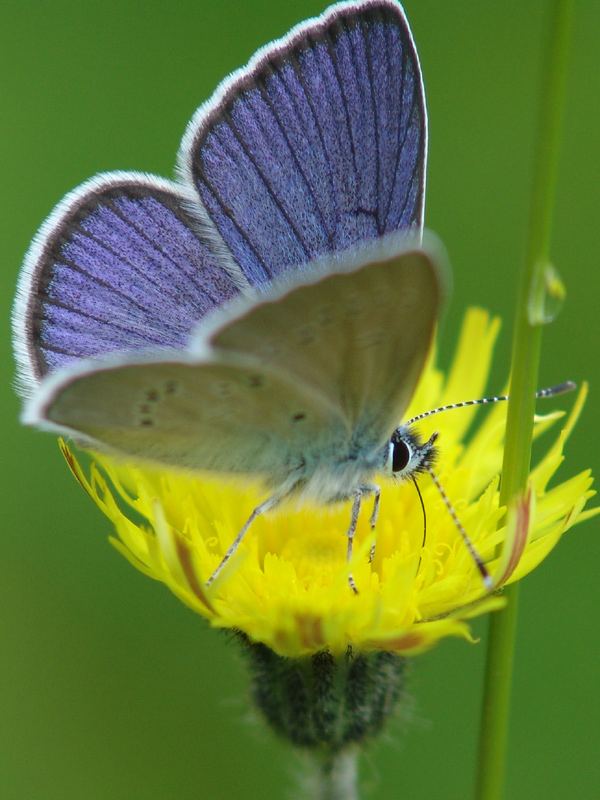
In spring the blue azures bow down
at the edges of shallow puddles
to drink the black rain water.
Then they rise and float away into the fields.

Sometimes the great bones of my life feel so heavy,
and all the tricks my body knows–
the opposable thumbs, the kneecaps,
and the mind clicking and clicking–

don’t seem enough to carry me through this
world, and I think: how I would like

to have wings–
blue ones–
ribbons of flame.

How I would like to open them, and rise
from the black rain water.

And then I think of Blake, in the dirt and sweat of London–a boy staring through the window, when God came fluttering up.

Of course, he screamed, seeing the bobbin of God’s blue body
leaning on the sill, and the thousand-faceted eyes.

Well, who knows. Who knows what hung, fluttering, at the window
between him and the darkness.

Anyway, Blake the hosier’s son stood up, and turned away from the sooty sill and the
dark city– turned away forever from the factories, the personal strivings,

to a life of the imagination.

Mary Oliver, Blue Azures

Practicing mindfulness: Come back to the present as much as possible

Today I rose early and the weather had cleared after yesterday’s rain.  It was a lovely fresh morning, before the cloud and mist moved in again.  The birds are beginning to sing again and there was a sense of light and joy.  Bright mornings make it easy to feel clear and spacious within. And when we do, we find it not so difficult to be kind. It makes it possible to believe in the natural goodness deep inside us. However, even with bright starts on days like this we can still see that the mind has brief moments when it can get confused and dark. When a combination of circumstances come together that frighten us, we can become flustered and defensive.  It is always interesting  to see the mind’s capacity to wander from the way things are and live in thoughts and wonderings and wishing things were other, with the potential narrowing that this brings.

In sitting practice we are reminded to practice “starting over” – to return again and again to the breath when the mind wanders, without being harsh with ourselves. It is a lesson for life also. We frequently get distracted. We sometimes get lost.  And then we wander away from the natural kindness that exists when we are calm. So the practice is to simply try to start over again, by dropping into this moment, noticing what we are doing, becoming conscious of the breath or of the sensations in our body.  We do not need to add the extra judgment about how unworthy our behaviour makes us to the existing situation. We do not make a drama out of it. We acknowledge honestly and simply that we have gotten lost, or are in the wrong, and then go back to start over again.

Practice for this day: Noticing beauty around us


Beauty and grace are performed

whether or not we will or sense them.

The least we can do is try to be there.

Annie Dillard