Happiness is here, now

What this means is that we can find our own happiness and peace of mind,  just as we are in this very moment, because it is within us.

We don’t have to change our thoughts or change ourselves into someone else.

We don’t need to think that who we are, this “me,” is not good enough, smart enough,  or lucky enough to be happy.

Dzogchen Ponlop Rinpoche

Stay awake!

It is the acceptance of death that has finally allowed me to choose life. Elizabeth Lesser

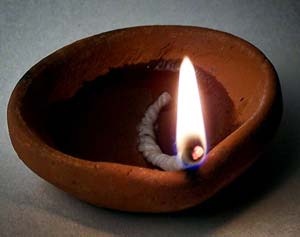
The gospel in this morning’s  liturgy is a well known one, reminding us of the need to be always on the alert for the return of the Master. It advises us to “stay awake, for you do not know the day or the hour“. We are urged to “always keep the lamps lit“. Initially understood as a reference to the immanent return of Christ,  it became applied to the awareness that life itself is precarious and that sickness and death can strike when we least expect.

This awareness of death can be very real when someone close to us is ill. However, it is also common in different wisdom traditions, including in Catholic and Buddhist practice,  to consciously reflect on death and on what legacy we would like to leave behind. The Dalai Lama recommends this as an ongoing practice, reminding us that death is part of life itself and is not bad in itself. He states that his daily meditation includes preparation for death: “Thinking about death not only serves as a preparation for dying and prompts actions that benefit future lives, but it also dramatically affects your mental perspective”

There is another way this morning’s text can be applied to our practice, not referring to the future or to our death. It simply reminds us to be awake , at every moment, to the different ways in which life presents itself, second by second. It is only in the present moment that we can fully be alive, as recent quotes on the blog remind us. We miss so much of life’s richness by not being present, or wishing to be elsewhere. We can often prefer the jabber in our heads or dreaming about some imagined future to the real life that is before us. Our minds love to be busy, running outward toward something they see and want, and then in the the next moment, turning inward toward some thought that feels good or planning for the future. The problem with this busyness, even when we are concerned with important things, is that we are not aware. We are thinking. The wisdom in this gospel text is lost if we use it just to prepare for death. We are called to be fully alert to all the ways that we can love life in each moment by being aware of what is going on.

Sunday Quote: weakness

We all are bruised reeds, whether our bruises are visible or not.  The compassionate life is the life in which we believe that strength is hidden in weakness and that true community is a fellowship of the weak

Henri Nouwen

Nothing spectacular….just learning to be here.

……Just being totally engaged in the  moment –  that’s arduous enough! I’ve known a number of students over the years who feel like they have to do something spectacular, something more difficult than that. It is plenty difficult, just to continuously bring yourself back to this moment.

Even while driving a car we can space out and drive for miles on the freeway and still make all the right turns. It’s amazing how tuned out we can be, and yet still seem to be functioning — not functioning full well but nevertheless we’re getting by. But we’re spinning in our own thoughts, we’re not really here. So it’s arduous enough to just bring ourselves back to this moment. That’s practice enough for anyone.

And we shouldn’t think there are some special moments for it, such as the times that we spend on a  meditation cushion. Of course there are those moments, but if we split up our life that way – “Here’s my special moment when I go off to sit in meditation” — well does that make any sense? The rest of your life now, what are you doing, just not paying attention?  There doesn’t need to be that kind of a break. And gradually with some maturity of practice some people start to catch on to that and just learn to be here.

Steve Hagan

Deepening your Practice 3: Be aware of the mind’s reactions

Mindfulness is not necessarily concentrating on an object. Being aware of confusion is also being mindful. If we have all kinds of things coming at our senses -noises, people demanding this and that- we cannot concentrate on any one of them for very long. But we can be aware of the confusion, or the excitement, or the impingement; we can be aware of the reactions in our own minds. That is what we call being mindful. We can be mindful of confusion and chaos. And we can be mindful of peace and tranquillity.

The path of mindfulness is the path of no preferences.

Ajahn Sumedho

All things come to an end

One of the more frequently quoted phrases coming from different wisdom traditions is “This too will pass” It is a reminder that we can find contentment in whatever circumstance if we glimpse the truth that all things will not last forever. Change is constant, events, people, health and sickness come and go in our lives, difficult situations will end. It allows us create space between ourselves and the situation and focus instead on why the situation has been presented to us and what we can learn from it.

It’s not always easy to stay balanced but it helps me when I look at the things happening in my life as due to many causes coming together. The wisest way I can respond to them is by working with them and  not struggling with them. This does not mean that I should not fight for the things that I can change or refuse to accept it when others treat me badly. However, at times, there are things that I cannot change. “This too will pass” helps me see that all things have an ending. And when I see that endings can lead to new beginnings, I can endure difficulties more easily and let go of good things without resentment.