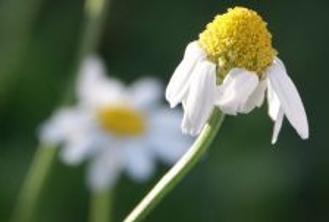
Flowers fall even if we love them,
and weeds grow even if we hate them,
and that is all.
Dogen

Sometimes we find that we like our thoughts so much
that we don’t want to let them go
 Something similar to last weeks post on repeating patterns in our lives, or what Freud termed the Repetition Compulsion, where he noticed people repeating – sometimes in a disguised way – the experiences which were difficult or distressing in their earlier life. He saw that people do not necessarily remember clearly what was happening in childhood, but still act it out in relationships later, without knowing that they are repeating it. Unconscious dynamics which were formed in childhood and which were adaptive then – such as not allowing anyone get too close, or having to “make” others love them – are repeated in adulthood, even if they are self-destructive. So the past is repeated in a new form, but in the hope that this time the original wound may be healed.
On a day-to-day level this tends to manifest as the story of our life which we have allowed to take hold and which we repeat to ourselves. We can see this idea in this piece from the Tibetan Soygal Rinpoche, writing from a meditation perspective:
As we follow the teachings and we practice, we will inevitably discover certain truths about ourselves that stand out prominently: There are places where we always get stuck; there are habitual patterns and strategies which we continuously repeat and reinforce; there are particular ways of seeing things – those tired old explanations of ourselves and the world around us – that are quite mistaken yet which we hold on to as authentic, and so distort our whole view of reality.
When we persevere on the spiritual path, and examine ourselves honestly, it begins to dawn on us more and more that our perceptions are nothing more than a web of illusions. Simply to acknowledge our confusion, even though we cannot accept it completely, can bring some light of understanding and spark off in us a new process, a process of healing.

A person knows they have found their vocation when they stop thinking about how to live, and begin to live.
Thomas Merton.
The arrogant mind never stops looking for identity and this identity always defines itself through attributes: “the beautiful one”, “the smart one”, “the creative one”, “the successful one”…
We are always searching for something to be.
Dzigar Kongtrul Light Comes Through
 Gratitude is the sweetest of all the practices for daily life and the most easily cultivated, requiring the least sacrifice for what is gained in return. It is a very powerful form of mindfulness practice, particularly for those who have depressive or self-defeating feelings, and those with a reactive personality who habitually notice everything that’s wrong in a situation.
Practicing mindfulness of gratitude consistently leads to a direct experience of being connected to life and the realization that there is a larger context in which your personal story is unfolding. Cultivating thankfulness for being part of life blossoms into a feeling of being blessed, not in the sense of winning the lottery, but in a more refined appreciation for the interdependent nature of life. It also elicits feelings of generosity, which create further joy. Gratitude can soften a heart that has become too guarded, and it builds the capacity for forgiveness, which creates the clarity of mind that is ideal for spiritual development.
Phillip Moffitt, Selfless Gratitude
 Somedays, one realizes the truth of this more than at other times….We can see that we are not just “visiting” the world. We should not underestimate how we can support one another when we are there through good times and bad, and how our lives affect each other and have value.
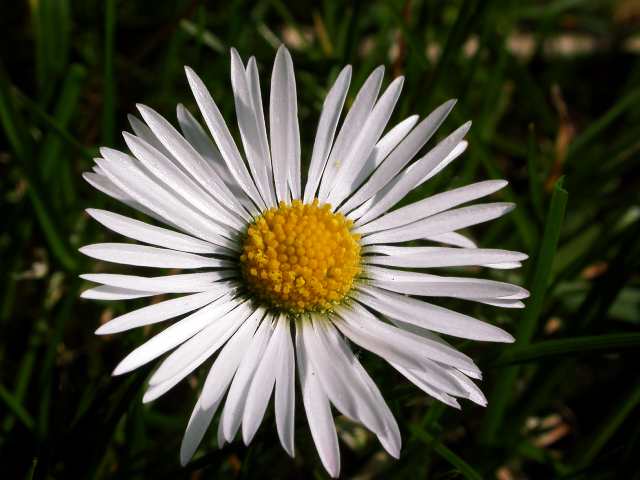
I think of each life as a flower, as common as a field daisy, and as singular,
and each name a comfortable music in the mouth tending as all music does, toward silence,
and each body a lion of courage, and something precious to the earth.…..
When it’s over, I don’t want to wonder
if I have made of my life something particular, and real.
I don’t want to find myself sighing and frightened
or full of argument.
I don’t want to end up simply having visited this world.
Mary Oliver
 Mindfulbalance