Finding a partner within

Jung writing here – beautifully – on the slow, lifelong process of individuation and how it means a deep befriending of all the parts of ourself and our life story. It is what we are learning as we “stay” in meditation, becoming more and more at ease with the divisions within ourselves. It reminds us that we move towards the full potential of our own maturity through the struggles of life and that we can get “lost” many times along the way.   To become fully ourselves means that we pass through these numerous “psychic transformations” and finally come to see that the happiness we were seeking for all along is based on what is already present within us and a reconciliation with what has made us who we are.

It is the state of someone who, in his wanderings among … his psychic transformations, comes upon a secret happiness which reconciles him to his apparent loneliness.  In communing with himself he finds not deadly boredom and melancholy but an inner partner; more than that, a relationship that seems like the happiness of a secret love, or like a hidden springtime, when the green seed sprouts from the barren earth, holding out the promise of future harvest.

Jung, Mysterium coniunctionis

One step at a time

Keep walking, though there is no place to get to.

Don’t try to see through the distance.

That’s not for human beings.

Move within

but don’t move the way fear makes you move

Rumi

Seeing into the heart of things

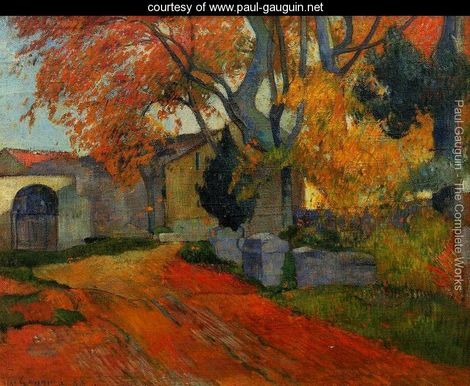
I shut my eyes in order to see.

Paul Gauguin, French artist

Developing friendship towards ones life

The very first step, and perhaps the hardest, is developing an unconditional friendship with oneself. Developing unconditional friendship means taking the very scary step of getting to know yourself. It means being willing to look at yourself very closely and to stay with yourself when you want to shut down. It means keeping your  heart open when you feel that what you see in yourself is just too embarrassing, too painful, too unpleasant, too hateful.

Pema Chodron

Downstream

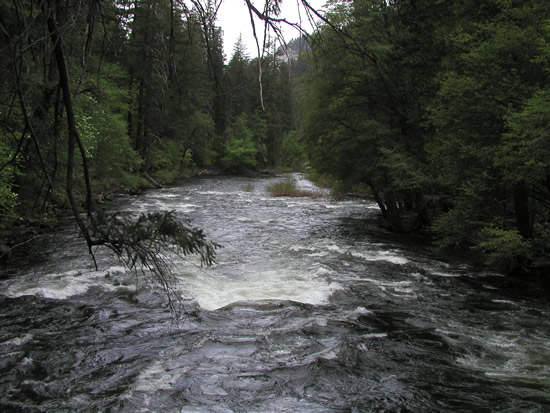
At times we need to pay attention to what is going on upstream in our lives and in the world around us,  rather than always reacting or playing catch-up.  We can find that we have constructed a lot of reactive practices – fire-fighting – rather than dealing with the issues at source, somewhat like the Downstreamers in this contemporary fable by Donald Ardell. We need to recognize what are the stressors in the way our life is structured and take proactive measures to readjust the balance, rather than dealing with the symptoms when they become overwhelming. Or sometimes we need courage to go back in our history and face the events that are still having consequences in our life today.

It was many years ago that villagers in Downstream recall spotting the first body in the river. Some old timers remember how spartan were the facilities and procedures for managing that sort of thing. Sometimes, they say, it would take hours to pull 10 people from the river, and even then only a few would survive.

Though the number of victims in the river has increased greatly in recent years, the good folks of Downstream have responded admirably to the challenge. Their rescue system is clearly second to none: most people discovered in the swirling waters are reached within 20 minutes — many in less than 10. Only a small number drown each day before help arrives — a big improvement from the way it used to be.

Talk to the people of Downstream and they’ll speak with pride about the new hospital by the edge of the waters, the flotilla of rescue boats ready for service at a moment’s notice, the comprehensive health plans for coordinating all the manpower involved, and the large number of highly trained and dedicated swimmers always ready to risk their lives to save victims from the raging currents. Sure it costs a lot but, say the Downstreamers, what else can decent people do except to provide whatever is necessary when human lives are at stake.

Oh, a few people in Downstream have raised the question now and again, but most folks show little interest in what’s happening Upstream. It seems there’s so much to do to help those in the river that nobody’s got time to check how all those bodies are getting there in the first place. That’s the way things are, sometimes.

Donald Ardell, “The Parable of the Downstreamers” in High Level Wellness: An Alternative to Doctors, Drugs and Disease

Noticing when we are not present today

By virtue of being human, each one of us is on intimate terms with not being present. Because of this, our intimacy with this felt absence is a powerful ally. Each time we awaken to no longer being present to ourselves or to another person, it is, paradoxically, a moment of presence. If we are willing to see the whole of our lives as practice, our awareness of the moments when we are not present, coupled with our intention to awaken, brings us into the present. Given our penchant for absence, opportunities for practicing  presence are abundant…… at heart, mindfulness meditation is about care, about a willingness to come up to our discomfort and pain without judgment, striving, manipulation or pretense. this gentle, open, nonjudgmental approach is both merciful and relentless asking of us more than we may ever have expected.

Saki Santorelli, Letting Ourselves Heal