Giving the mind a break

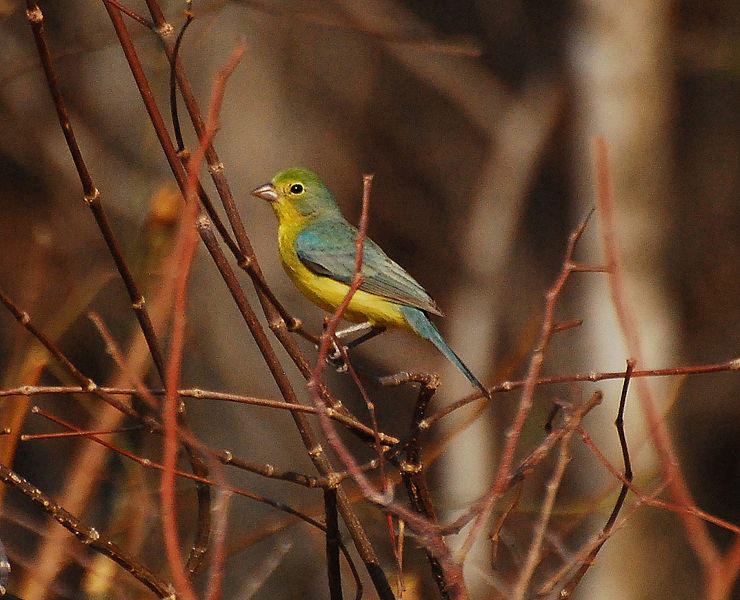
The first of the basic practices to which I was introduced as a child – which most teachers introduce to beginning students … is known as “shamatha”. “Shama” may be understood in a variety of ways, including “peace”, “rest” or “cooling down” from a state of mental, emotional or sensory excitement. Maybe a modern equivalent would be “chilling out”. In other words, “shamatha” means abiding in a state that is rested or “chilled out”, which allows the little bird to just sit on one branch for a while.

Most of us, when we look at something, hear something, or watch a thought or emotion, have some sort of judgment about the experience. This judgment can be understood in terms of three basic “branches”: the “I like it” branch, the “I don’t like it” branch or the “I don’t know” branch. Each of these branches spread out into smaller branches: “good” branch;  “bad” branch; “pleasant” branch; “unpleasant” branch; “I like it because…” branch; “I don’t like it because…” branch; “could be nice or not” branch; “could be good and bad, pleasant and unpleasant” branch; and the “neither good nor bad, pleasant nor unpleasant” branch. The possibilities presented by all these branches tempt the little bird to flutter between them, investigating each one.

The practice of shamatha involves letting go of our judgments and opinions and just looking at, or paying attention to, what we see from whatever branch we’re sitting on…. Rest there on one branch. Attending to our experience in this way allows us to distinguish our judgments and opinions from the simple experience of seeing.

Yongey Mingyour Rinpoche, Joyful Wisdom
On change and constancy

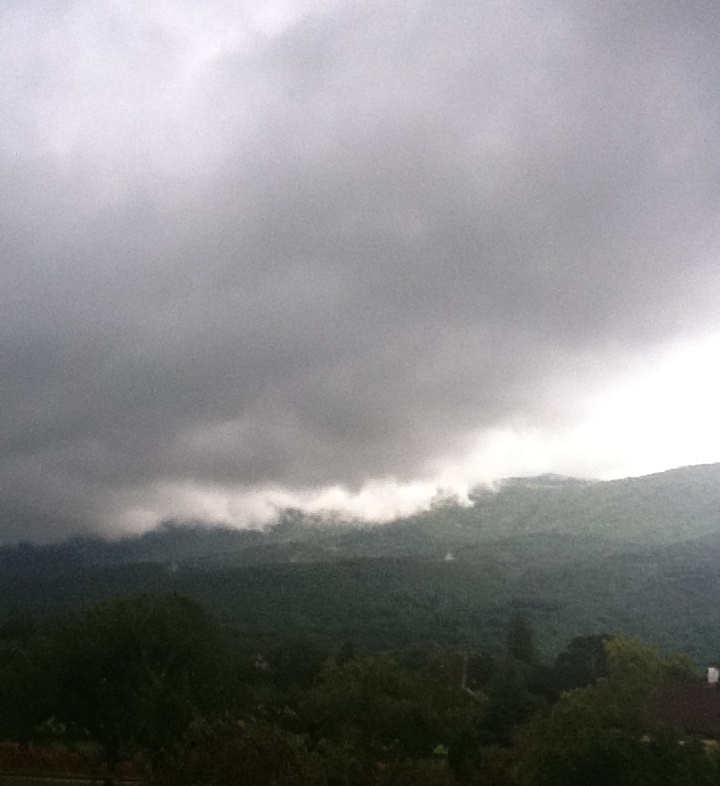
There has been very changeable, even cold, weather these past few weeks, and, as the photo shows, this morning stayed faithful to that, dawning grey and stormy on the Jura. As I have written before, looking at the weather is good practice, especially when it turns unpredictable, as it has been this Summer. Firstly, it helps us remember that there are many things which  happen in our lives – the weather, the behaviour of others, or  illness, for example—that we cannot  control. Thus we place our focus on the things which are within our control –  in the areas where we can train stability and constancy –  and do not waste energy on what we cannot influence. Setting aside some time in the day and in the week when we can rest and deepen our capacity to be focused is one way of doing that. The second lesson we can learn on a morning like this is somewhat the opposite – how to keep ourselves fluid in the areas that we do not want to make solid. Thus, whenever we notice that we are making certain emotions or judgments fixed and unchanging, we let go of them. Especially when we notice firm negative thoughts about ourselves – which normally flag themselves by beginning with words such as  “I always…” or “I am never able to”… – we can go back to the impermanence of the weather and remind ourselves that all things change. Then we can be kind to ourselves by realizing that this applies to us as well. We can let such thoughts pass through, just being aware of them, or hold fearful emotions more lightly, knowing they do not define us or how we are doing in our life.

Sunday Quote: Becoming what we repeatedly do


We become just by performing just actions,

temperate by performing temperate actions,

brave by performing brave actions.

Aristotle

Not believing our fears

Fear is so fundamental to the human condition that all the great spiritual traditions originate in an effort to overcome its effects on our lives. With different words, they all proclaim the same core message: “Be not afraid.” . . . . It is important to note with care what that core teaching does and does not say. “Be not afraid” does not say that we should not have fears — and if it did, we could dismiss it as an impossible counsel of perfection. Instead, it says that we do not need to be our fears, quite a different proposition.

Parker Palmer.

Seeing thoughts as less substantial…

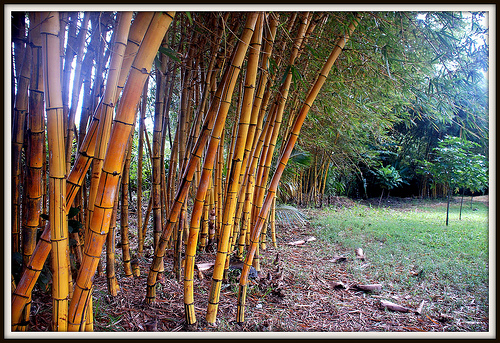
The wind whistles in the bamboo and the bamboo dances.

When the wind stops, the bamboo grows still.

A silver bird flies over the autumn lake.

When it has passed,

the lake’s surface does not try to hold on to the image of the bird.

Huong Hai

Fearlessness

True fearlessness is wise action, not false bravado or blind reactivity. It requires that we take time and exercise discernment. Zen teacher Joan Halifax speaks about the “practice of non-denial.” When we feel afraid, we don’t deny the fear. Instead, we acknowledge that we’re scared. But we don’t flee. We stay where we are and bravely encounter our fear. We turn toward it, we become curious about it, its causes, its dimensions. We keep moving closer, until we’re in relationship with it. And then, fear changes. Most often, it disappears. [There are] many quotes from different traditions that speak to this wonder of fear dissolving. “If you can’t get out of it, get into it.” “The only way out is through.” “Put your head in the mouth of the demon, and the demon disappears.”

Margaret Wheatley, Can I be Fearless?