The World comes to us

Jacques Lusseyran was a French writer and member of the Resistance, who continued to organize groups against the Nazi authorities even after he was sent to Buchenwald concentration camp. His work was all the more courageous because he had become totally blind at the age of 8, following an accident at school. He wrote about his early life in the book And There was Light: Autobiography of Jacques Lusseyran, Blind Hero of the French Resistance. This extract compliments the quote from Mark Twain this morning. Our discovery of the world begins with our active steps, which sometimes need courage and involve risk. However, we also need to know when to receive, and allow things to happen. The world is an  accomplice in this work of growth and continually presents moments when we can grow. Ironically, we frequently resist what happens to us each day, thinking that life is to be found elsewhere.

If I put my hand on the table without pressing it, I knew the table was there but knew nothing about it. To find out, my fingers had to bear down, and the amazing thing is that the pressure was answered by the table at once. Being blind I thought I should have to go out to meet things, but I found that they came to meet me instead. I have never had to go more than halfway, and the universe became the accomplice of all my wishes.

Empty time

Two reasons for posting this poem by John O’ Donohue today.

Firstly, I love the line “the joy that dwells far within slow time” as a way of expressing where we get when we meditate.

Secondly, as a prayer for “One who is Exhausted”,  it captures well what happens to many of us at different times in our lives, when we find ourselves “marooned on unsure ground”. The familiar markers are nowhere to be seen, and we feel lost. Rather than panicking at this, or see it as something wrong, the poet encourages us to trust that our soul needs this empty time to recover itself. We learn from the rain – not the heavy thunderstorms of last evening but the soft rain which O’Donohue was familiar with in the West of Ireland and which fell here this morning –  to take things gently, change rhythm and to wait.

The tide you never valued has gone out.
And you are marooned on unsure ground.
Something within you has closed down;
And you cannot push yourself back to life.

You have been forced to enter empty time.
The desire that drove you has relinquished.
There is nothing else to do now but rest
And patiently learn to receive the self
You have forsaken for the race of days.

At first your thinking will darken
And sadness take over like listless weather.
The flow of unwept tears will frighten you.

You have traveled too fast over false ground;
Now your soul has come to take you back.

Take refuge in your senses, open up
To all the small miracles you rushed through.

Become inclined to watch the way of rain
When it falls slow and free.

Imitate the habit of twilight,
Taking time to open the well of color
That fostered the brightness of day.

Draw alongside the silence of stone
Until its calmness can claim you.
Be excessively gentle with yourself.

Stay clear of those vexed in spirit.
Learn to linger around someone of ease
Who feels they have all the time in the world.

Gradually, you will return to yourself,
Having learned a new respect for your heart
And the joy that dwells far within slow time.

John O’Donohue, A Blessing for One who is Exhausted.

Sunday quote: Explore


Twenty years from now you will be more disappointed at the things that you didn’t do than by the ones you did do. 

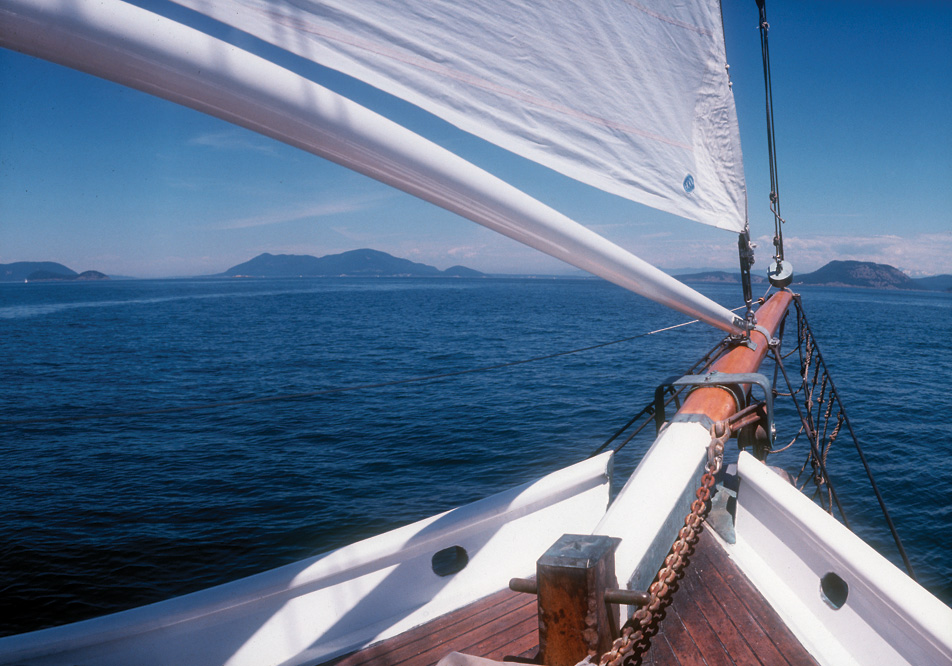
So sail away from the safe harbor. Catch the trade winds in your sails. 

Explore, Dream. Discover.

Mark Twain


Dance


We are invited to forget
ourselves on purpose,
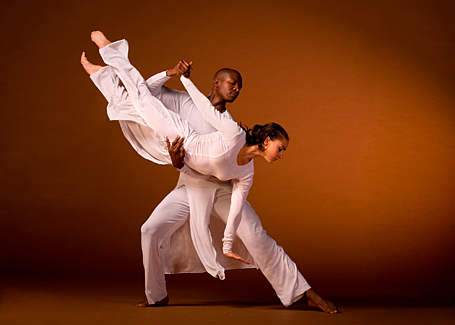
cast our awful solemnity to the winds and join in the general dance.

Thomas Merton

Making ourselves strong

We are always training the mind in some way, by where we choose to put our attention:

The trick is in what one emphasizes.

We either make ourselves miserable or we make ourselves strong.

The amount of work is the same.

Carlos Castaneda

Posted in Uncategorized

The eye of the storm

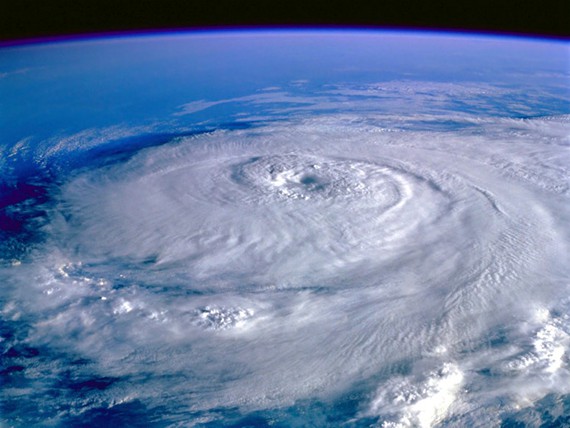
One reason why people  meditate is to remain calm and focused in the face of the storms and pressures which face they encounter each day.  Here Ajahn Sumedho breaks down how to do that, in practical terms.  The simple ability to be aware – which we all have –  is the key.  Awareness is the calm place from which we can observe and notice those things that  change – moods, good and bad, thoughts, positive and negative – without trying to hold on to them, or becoming identified with them. This is how we can remain at the eye of the storm and not get blown by the winds. We are aware of what we are feeling emotionally, but do not get caught up in it by analyzing it, judging it, or becoming it.

The stillpoint, the centredness, that’s awareness. When I cannot notice it and go out into the turning world, I become a person and get caught in my habits, my loves and hates, my likes and dislikes.  But if I am centered at this point, it’s like the island you cannot go beyond, or the stillpoint of the turning world, the eye of the storm. And then the world revolves around it. The mood you are in is not the stillness. The mood comes and goes. It changes, revolves; it’s happy, sad, elated, depressed, inspired, bored, loving, hateful, and on and on like this….It’s so easy to say “I’m in a bad mood” or “I’m in a good mood” Our langauge is like that, so we become the mood – “I feel happy today, everything’s fine” or “Today is one of my bad days”. That’s why I encourage this investigation of thought, so that you are not creating yourself, endlessly reinforcing the sense of self through your proliferating thoughts.

Ajahn Sumedho, The Sound of Silence