 Another recent study on the beneficial effects of a mindfulness meditation programme, this time MBCT, for university students facing exams. It has been found that students, under the stressful conditions of exams and the need to successfully complete their studies, are prone to depression, anxiety, automatic thoughts, and dysfunctional attitudes. This can lead to much lower scores and under-achievement.
To test this non-clinical population, a controlled study was conducted in Iran, with participants randomly assigned either to take part in an 8-week MBCT Course or remain in a waiting list control group. The MBCT group followed the standard Mindfulness programme, including 40 minutes of personal practice each day for the duration of the Course. They were assessed at 5 different points: pre-test, session 4, session 8, first follow-up (1 month) and second follow-up (6 months).
The results found that mindfulness was effective in helping the students to deal with their anxiety and depressive feelings before, during and after stressful circumstances. Furthermore, the reductions in negative automatic thoughts and dysfunctional attitudes were significant.
This is an interesting study because of the population and provides evidence that Mindfulness interventions might be of significant use in supporting well-being in students and others who are susceptible to experience anxiety and depression in real life situations as well as improving performance at crucial times.
Hossein Kaviani , Foroozan Javaheri , Neda Hatami, “Mindfulness-based Cognitive Therapy (MBCT) Reduces Depression and Anxiety Induced by Real Stressful Setting in Non-clinical Population” International Journal of Psychology and Psychological Therapy, Volume 11 Num. 2, June 2011.
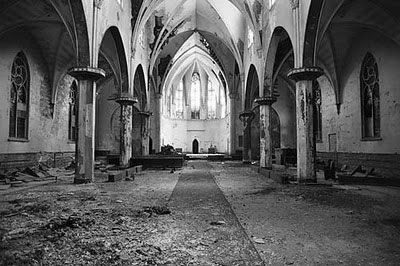 Mystery is not much in favor these days. The notion that there are limits to what we can do, what we can know, limits to our dominion, does not sit well with kings and queens of the hill. Humility and reverence, we hear, are the attitudes of cowards. . . . By ‘mystery’ I do not mean simply the blank places on our maps. I mean the divine source — not a void, not a darkness, but an uncapturable fullness. We are sustained by processes and powers that we can neither fathom nor do without. I speak of that ground as holy because it is ultimate, it is what makes us possible, that shapes and upholds everything we see. The stories I am most interested in hearing, reading, and telling, are those that help us imagine our lives in relation to that ground.



 Mindfulbalance