Noticing the effects of a frantic age 4: Shutting out

In a world of dwindling resources, where each person’s share of the physical realm decreases over time, it is no wonder that physical reality fails to satisfy. But thanks to the new, intimate, glowing handheld mobile devices, the unsatisfactory real world can be blotted out, and replaced with a cleansed, bouncy, shiny version of society in which little avatars utter terse little messages. In the cyber-realm there are no sweaty bodies, no cacophony of voices to suffer through — just a smooth, polished, expertly branded user experience.

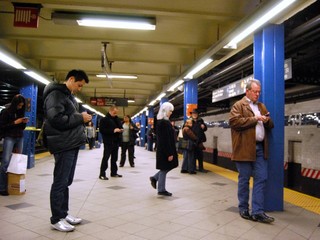
While riding the subway through the Boston rush hour, I have been able to observe just how well these personal electronic mental life support units work in shielding people from the sight of their fellow-passengers…. with more and more people in obvious distress. By focusing all of their attentions on the tiny screen, they are also spared the sight of our well-worn and crumbling urban infrastructure. It is as if the physical world doesn’t really exist for them, or at least doesn’t matter. But as Masanobu Fukuoka put it, “If we throw Mother Nature out the window, she comes back through the door with a pitchfork,” and as we ignore the physical realm, the physical economy (the one that actually keeps people fed and sheltered and moves them about the landscape) shrinks and decays.

Dmitry Orlov
Staying with yourself in moments of difficulty

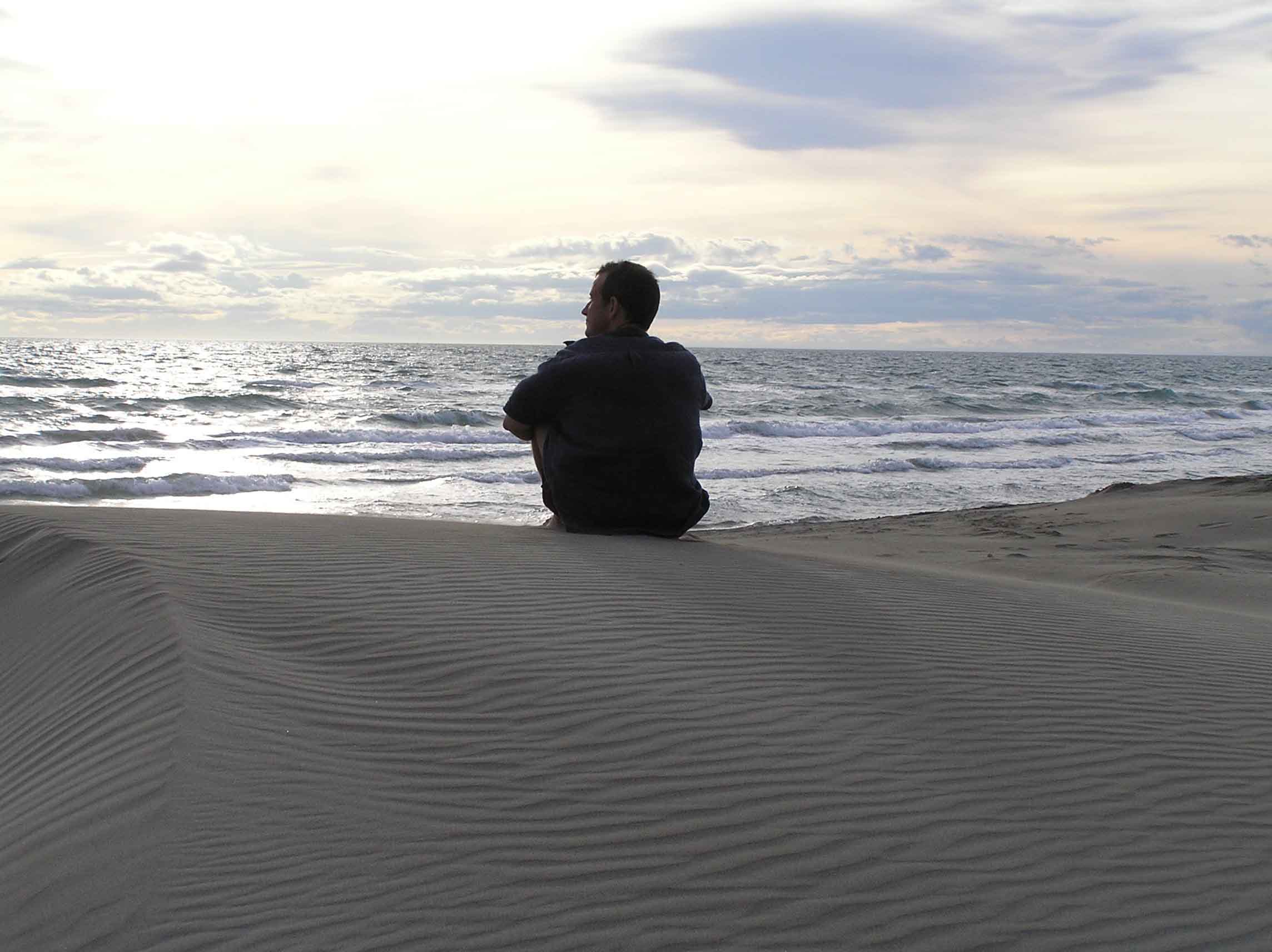
The importance of meditation, yoga, and other spiritual practices is that they allow you to reconnect with your priorities over and over again. At least for a moment, you let loose of your fears, experience a touch of mental clarity, and feel the sweet breeze of a peaceful mind. You become accustomed to staying with yourself in moments of difficulty and learn not to let them consume your mind. You develop concentration that leads to strength of mind.  Certain practices teach you to stay within the body in times of emotional turmoil. Most of all, you find a place outside the ego in which you can receive any experience without neglecting the ego’s needs….. Every human being has this innate capacity to act outside the immediate ego panic. Spiritual practice makes it more likely that it will be accessible in a time of need.

Phillip Moffit,  Surrendering to Suffering

We fall, we get back up

As yesterday morning’s post stated, we can find that we pass through periods which don’t fit our picture of how we want our life to be. Or we can find that some things don’t go exactly as we would like. These words of the Irish writer, Samuel Beckett, can help at such times and  show a deep understanding of the gentleness and non-judmental attitude we need to take towards ourselves in meditation and in life. The key in both is simply starting over, without letting  judgmental or self-critical thoughts take over. We like to imagine that we can have a mind without fault, but mostly this is not possible. We imagine we will someday have a perfect personality, but again this is unlikely to last long. So our main work is cultivating self-compassion and not dwelling too long on critical stories about ourselves.

Ever tried. Ever failed.

No matter.

Try Again. Fail again.

Fail better

Samuel Beckett, Worstward Ho

Our deepest calling

Our deepest calling is to grow into our own authentic selfhood,

whether or not it conforms to some image of who we ought to be.

As we do so, we will not only find the joy that every human being seeks –

we will also find our path of authentic service in the world.

Parker Palmer

When we are hurt in our life

Sitting with and through all sorts of conditions that don’t fit our picture of how we want our life to go may be a far more valuable practice than being able to settle into a calm or blissful quiet. When we sit we are doing two things. First, sitting becomes a container; whatever has happened we sit still and feel it. The other side of sitting is the stillness of non-reactivity. We feel all…without doing anything to anybody. The feeling becomes our own responsiblity. Instead of our attention being directed, as it usually is, to making somebody else treat us differently, the way we want to be treated, we come back to experiencing what is at stake in being treated this way, what the hurt is really all about, and who we think we are that we can be hurt.

Barry Magid, Ending the Pursuit of Happiness

What if I knew I would never see it again?

Exploring nature with your child is largely a matter of becoming receptive to what lies all around you. It is learning again to use your eyes, ears, nostrils, and finger tips, opening up the disused channels of sensory impression. For most of us, knowledge of our world comes largely through sight, yet we look about with such unseeing eyes that we are partially blind. One way to open your eyes to unnoticed beauty is to ask yourself, “What if I had never seen this before? What if I knew I would never see it again?

Rachel Carson, Ecologist , The Sense of Wonder.