
The holiest of all holidays are those
Kept by ourselves in silence and apart;
The secret anniversaries of the heart
When the full river of feeling overflows
Longfellow, Holidays
The holiest of all holidays are those
Kept by ourselves in silence and apart;
The secret anniversaries of the heart
When the full river of feeling overflows
Longfellow, Holidays
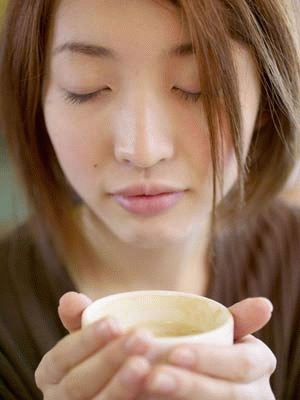
Tenderness is the language of the body as a mother holds her child, as a nurse touches a patient’s wound, or as an assistant bathes someone with a disability. Recently in a buddhist monastery, I watched a sister as she served us food and tea with great delicacy; it was as if the meal itself was sacred, revealing a presence of God. And so it did, because it was treated so.
Tenderness is the language of the body speaking of respect: the body honours what it touches. It honours reality. It does not act as if reality has to be changed or possessed; reality belongs to humanity and to God. Is not this the way we should relate to all living beings, plants, animals and the earth?
Jean Vanier, Becoming Human

The whole of practice can be simplified on this day: To be able to sit quietly with where our life is, and be at ease there.
Silence is pure and holy.
It draws people together
because only those who are comfortable with each other
can sit without speaking.
Nicholas Sparks, The Notebook
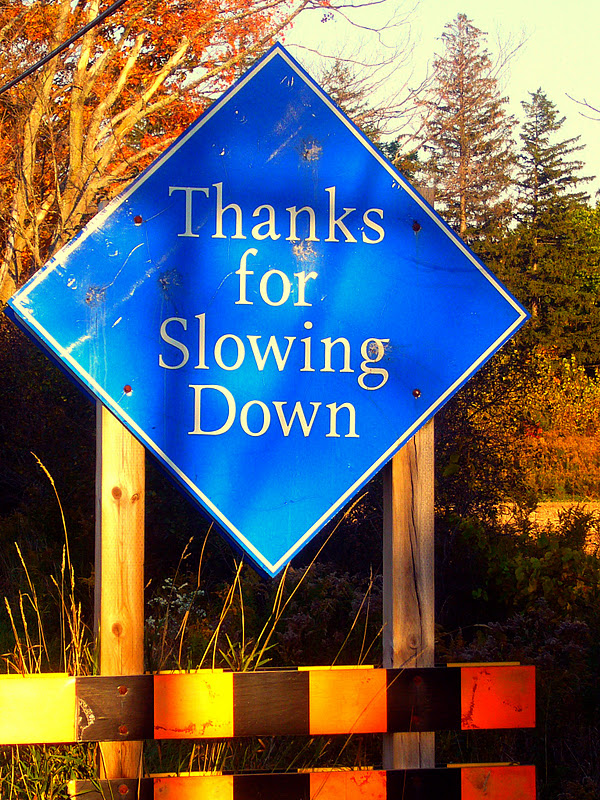 “Conquer haste”, the Zen masters say. The writer Joe Hyams, describes how he learned that lesson in a meeting with the master Bong Soo Han. The two were having tea when a letter arrived from the teacher’s family in Korea. Hyams says: ‘Knowing he had been eagerly anticipating the letter, I paused in our conversation, expecting him to tear open the envelope and hastily scan the contents. Instead, he put the letter aside, turned to me, and continued our conversation. The following day I remarked on his self-control, saying that I would have read the letter at once.’
“I did what I would have done had I been alone,” he said. “I put the letter aside until I had conquered haste. Then when I set my hand to it, I opened it as though it were something precious.” I puzzled over this comment a moment, knowing he meant it as a lesson for me. Finally I said I didn’t understand what such patience led to. “It leads to this,” he said. “Those who are patient in the trivial things in life have the same mastery in great and important things.”
Philip Toshio Sudo.
 When the stories of our life no longer bind us, we discover within them something greater. We discover that within the very limitations of form, of our maleness and femaleness, of our parenthood and our childhood, of gravity on the earth and the changing of the seasons, is the freedom and harmony we have sought for so long. Our individual life is an expression of the whole mystery, and in it we can rest in the center of the movement, the center of all worlds.
Jack Kornfield, A Path with Heart
 Pause practice can transform each day of your life. It creates an open doorway to the sacredness of the place in which you find yourself. The vastness, stillness, and magic of the place will dawn upon you, if you let your mind relax and drop for just a few breaths the storyline you are working so hard to maintain. If you pause just long enough, you can reconnect with exactly where you are, with the immediacy of your experience.
When you are waking up in the morning and you aren’t even out of bed yet, even if you are running late, you could just look out and drop the storyline and take three conscious breaths. Just be where you are! When you are washing up, or making your coffee or tea, or brushing your teeth, just create a gap in your discursive mind. Take three conscious breaths. Just pause. Let it be a contrast to being all caught up. In any moment you could just listen. In any moment, you could put your full attention on the immediacy of your experience. When you are completely wound up about something and you pause, your natural intelligence clicks in and you have a sense of the right thing to do. This is part of the magic: our own natural intelligence is always there to inform us, as long as we allow a gap. As long as we are on automatic pilot, dictated to by our minds and our emotions, there is no intelligence. It is a rat race. So, what is the most important thing to do with each day? With each morning, each afternoon, each evening? It is to leave a gap.
Pema Chodron
 Mindfulbalance