 Today is the Winter Solstice, the shortest day of the year in the Northern Hemisphere. It is a day that has always held significance for humans, as can be seen by the major Celtic and Christian feasts that are celebrated around this time, and whose symbols are still used today, even if their true meaning is long-lost. The Ancient Celts seemed to follow closely the passage of the sun and linked it to the sacredness of certain days. On this day, in the burial chamber of Newgrange in Ireland – built some 500 years before the pyramids of Giza and more than 1,000 years before Stonehenge – they ensured that the rising sun penetrated right into the place where their loved ones were buried. In this way they marked the turning point of the year, even when times were difficult, where the days gradually grow longer and move the countryside back towards the warmth and rebirth of spring.
We can learn from the fact that there have always been rituals of light in the darkness, cycles of growth after periods of rest, hope returning when all seemed lost. There is a deep wisdom in understanding these ways of nature deep in our own bones. No matter how dark a place we find ourselves in from time to time, or how deeply we feel buried, we come to know how light can still enter and illuminate. If we come to see that all circumstances change and pass away, we get in touch with a deeper, more ancient wisdom, no matter how frozen we feel at any particular moment. This wisdom holds onto the fact that we are complete in ourselves, no matter what our passing thoughts tell us, or if we cannot feel it at that time.
Because our moods change constantly, we might not understand that cheerfulness is in fact an inherent quality of mind. Within the meditative tradition, cheerfulness is considered to be the natural, harmonious and wholesome expression of our truest self. This kind of cheerfulness helps the mind to move forward, beyond the distortion and torment of emotions. Cheerfulness comes naturally with meditation. It is a quality of space created within the mind. When there’s space in the mind, the mind relaxes, and we feel a simple sense of delight. We experience the possibility of living a life in which we aren’t continuously bombarded by emotions, discursiveness and concepts about the nature of things.
In dark times when we feel even more burdened and insecure, we should be contemplating our true nature more than ever. It can cheer us up on any day. Despite all the ups and downs of our life, we are fundamentally awake individuals who have a natural ability to become compassionate and wise. Our nature is to be cheerful. This cheerfulness is deeper than temporary conditions. The day does not have to be sunny for us to be cheerful. We are free of having to depend on something else to make us happy. We can bask freely in the natural radiance of our mind. This is the equanimity of true cheerfulness—nothing more, nothing less.
Sakyong Mipham Rinpoche, A Simple Sense of Delight
 Our inner life is complex and multifaceted, like a vast and varied landscape requiring diverse experiences to cultivate it. At times we are challenged to walk and run, at other times to stay and sit. Disappointment is as crucial to our inner life as reliability, the same way that cold is as necessary to the life of a lilac bush as is the sun….Beings like us could never stay in bloom in a tropical world of uninterrupted satisfactions. We need all seasons for a fully realized human experience. Only in a world with shadows can our inner life flourish. The challenge is a ruthless fealty to the seasons of life and change. This includes losses, abandonments and endings chosen or imposed…Disappointment may also be a grace, “the fastest chariot to enlightenment” as the Tibetan saying goes.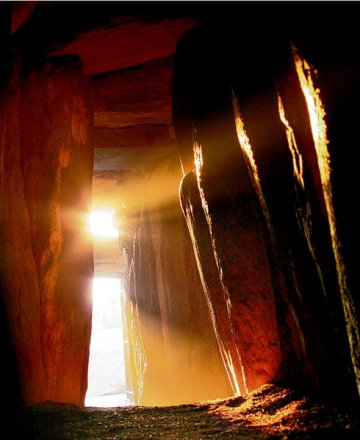




 Mindfulbalance