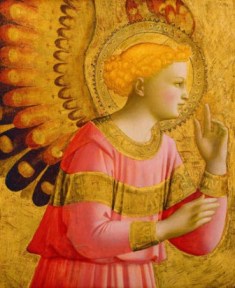
 “Rejoice always.” 1 Thess 5:16
It is not fitting, when one is in God’s service, to have a gloomy face or a chilling look. – St. Francis of Assisi
Last Sunday was the third Sunday of Advent, which is known as Gaudete Sunday – from the Latin word Gaudete, meaning “rejoice”. The season of Advent originally was a fast of forty days in preparation for Christmas, starting the day after the feast of St. Martin (12 November), and was called “St. Martin’s Lent” from as early as the fifth century. This Sunday was a break from the penitential atmosphere in that it focused on joy because the coming celebration was near. There seems to be a number of fundamental themes occurring in all cultures around this time of year, reflecting deep anthropological or archaic desires. One of them is the desire to keep hope and joy alive in the face of shortening days. We can see this theme expressed as hope, patience and looking forward in the Christian season, due initially to the belief in the immanent return of Jesus. Nowadays the injunction becomes an inner wisdom, directing us to notice what is good and not stay with the mind’s habitual tendency to struggle and focus on what is negative. It also points us towards finding true contentment with how our life is actually at this moment. Practically this means that we cultivate the practice of joy, smiling at the beauty we see each day and being grateful for the good things we receive. Not taking ourselves too seriously, but keeping light and unforced, is also a useful practice, as the Thich Nhat Hahn quote this morning said, and as Chesterton reminds us here:
Angels can fly because they can take themselves lightly. This has been always the instinct of Christendom, and especially the instinct of Christian art. Remember how Fra Angelico represented all his angels, not only as birds, but almost as butterflies. Seriousness is not a virtue. It is really a natural trend or lapse into taking one’s self gravely, because it is the easiest thing to do. For solemnity flows out of men naturally; but laughter is a leap. It is easy to be heavy: hard to be light. Satan fell by the force of gravity.
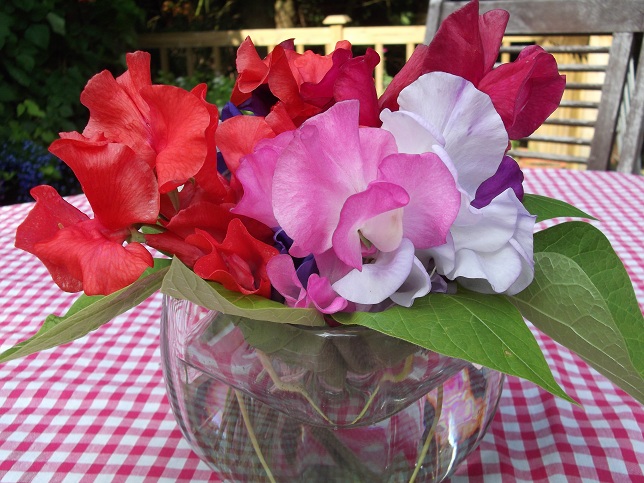 Joy has to do with seeing how big, how completely unobstructed, and how precious things are. Resenting what happens to you and complaining about your life are like refusing to smell the wild roses when you go for a morning walk, or like being so blind you don’t see a huge black raven when it lands in the tree you’re sitting under. We can get so caught up in our own personal pain or worries that we don’t notice that the wind has come up or that somebody has put flowers on the dining room table or that when we walked out in the morning, the flags weren’t up, and that when we came back, they were flying. Resentment, bitterness, and holding a grudge prevent us from seeing and hearing and tasting and delighting.




 Mindfulbalance