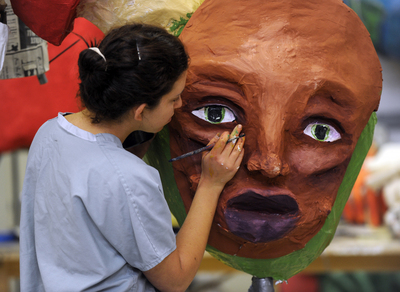
 We all tend to wear masks, the mask of superiority or of inferiority, the mask of worthiness or of victim. It is not easy to let our masks come off and to discover the little child inside us who yearns for love and for light, and who fears being hurt. Forgiveness, however, implies the removal of these masks, an acceptance of who we really are: that we have been hurt, and that we have hurt others. Forgiveness of ourselves, then, implies an acceptance of our true value. The loss of a false self-image, if it is an image of superiority, or the need to hide our brokenness can bring anguish and inner pain. We can only accept this pain if we discover our true self beneath all the masks and realize that if we are broken, we are also more beautiful than we ever dared to suspect. When we realize our brokenness, we do not have to fall into depression; when we see our true beauty, we do not have to become proud as peacocks.
Jean Vanier
 From a meditative perspective, various mind states including emotions, arise and pass away empty of any substantial nature. They come into being when certain conditions come together and disappear when the conditions change. None of them belong to anyone; they are not happening to anyone. In a very real sense each mind state is expressing itself: it is desire that desires, fear that fears, love that loves.


 Mindfulbalance