Working with the mind

Whatever our external circumstances, in the end happiness or unhappiness depends on the mind. Consider that the one companion whom we stay with, continually, day and night, is our mind. Would you really want to travel with someone who endlessly complains and tells you how useless you are, how hopeless you are; someone who reminds you of all the awful things that you have done? And yet for many of us, this is how we live – with this difficult-to-please, always-pulling-us-around, tireless critic that is our mind. It entirely overlooks our good points, and is genuinely a very dreary companion.

The point is that when our mind is filled with generosity and thoughts of kindness, compassion, and contentment, the mind feels well. When our mind is full of anger, irritation, self-pity, greed, and grasping, the mind feels sick. And if we really inquire into the matter, we can see that we have the choice: we can decide to a large extent what sort of thoughts and feelings will occupy our mind. When negative thoughts come up, we can recognize them, accept them, and let them go. We can choose not to follow them, which would only add more fuel to the fire. And when good thoughts come to mind – thoughts of kindness, caring, generosity and contentment, and a sense of not holding on so tightly to things any more, we can accept and encourage that, more and more. We can do this. We are the guardian of the precious treasure that is our own mind.

Jetsunma Tenzin Palmo, Into the Heart of Life
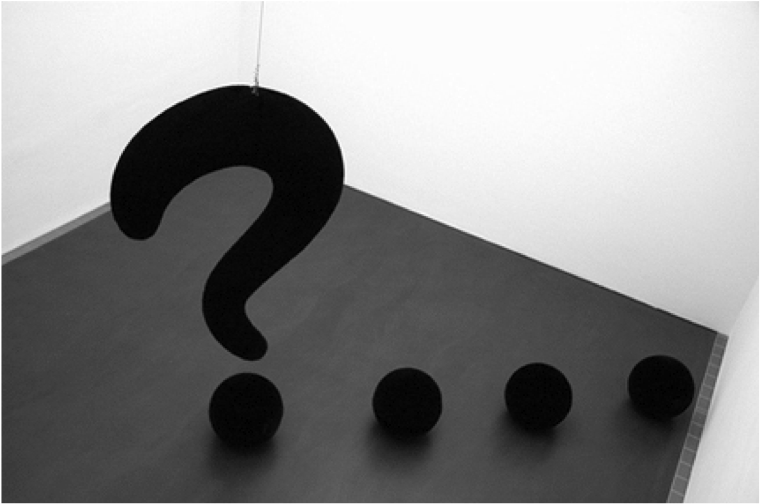
The key question

As I go through all kinds of feelings and experiences in my journey through life — delight, surprise, chagrin, dismay — I hold this question as a guiding light: “What do I really need right now to be happy?” What I come to over and over again is that only qualities as vast and deep as love, connection, and kindness will really make me happy in any sort of enduring way.

Sharon Salzberg

Seeing ourselves as we truly are

People who are suffering want to change, but they do not know how. They feel…that they have to go into their problems, or get rid of them entirely. They do not know that to bring about true healing they have to learn to see themselves as they truly are.……Powerful emotional reactions have the capacity to take hold of us and drive our behavior. We believe in these reactions more than we believe in anything else, but they become the means by which we both hide from ourselves and attempt to cope with a world of ceaseless change and unpredictability.

Mark Epstein, Going on Being:Buddhism and the Way of Change.

Time enough


The butterfly counts not months

but moments,

and has time enough.

Rabindranath Tagore

Why difficulties are necessary

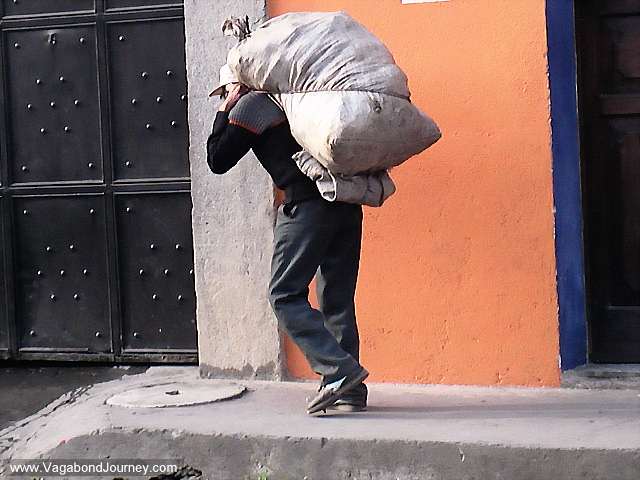
If we are going to achieve our purpose in life, we must be willing to fall out of grace and accept its lessons. When we feel righteous about ourselves, or deny our brokenness, we are fighting against the higher states of grace that await us. Failure is built into grace. You cannot have one without the other. It’s like two sides of a single coin. Everyone who has achieved a state of grace is certain at some point to fall, and to have fallen many times before. Every successful person, everyone you respect, will tell you that they have mountains of failure behind them…

When we are in grace, we begin to take things for granted and we actually stop working on ourselves. Falling out of grace shakes us up. It reconnects us to the larger universe in order for us to see ourselves anew. It forces us to rediscover where our true center begins, and to learn what needs to be set aside.

Sobonfu Some, Falling Out of Grace: Meditations on Loss, Healing and Wisdom

photo http://www.vagabondjourney.com

Using time wisely

To truly be kind to others (and ourselves for that matter), it helps to abandon time slavery and try to notice what kind of time others are keeping, to notice their face and their gesture, to know when they are ready to say something, ready to be quiet, ready to come, to go, to be led, to be followed. So many times I have been unable to listen or to notice what someone was going through or where they were headed because it didn’t meet with my schedule. Patience and timing are inextricably linked. Patience, which we can regard with such excruciation, offers a hidden reward. When we stop watching the pot, we may learn that it boils right on time.

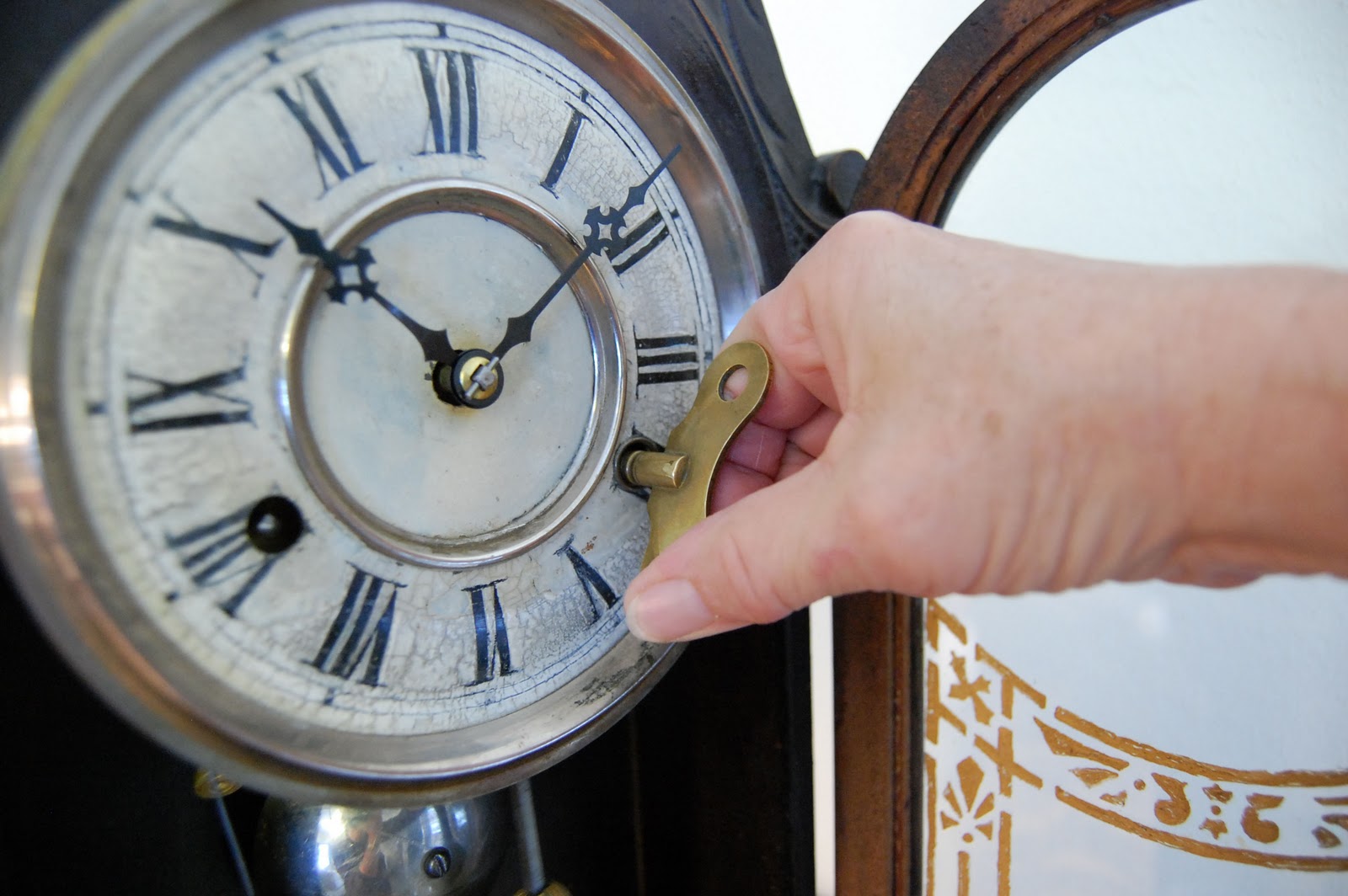
Sometimes my father would forget to wind the big clock, the weights would fall, and time would stop. We wind the clock. It does not have to wind us.

Barry Boyce, What Time is Now?