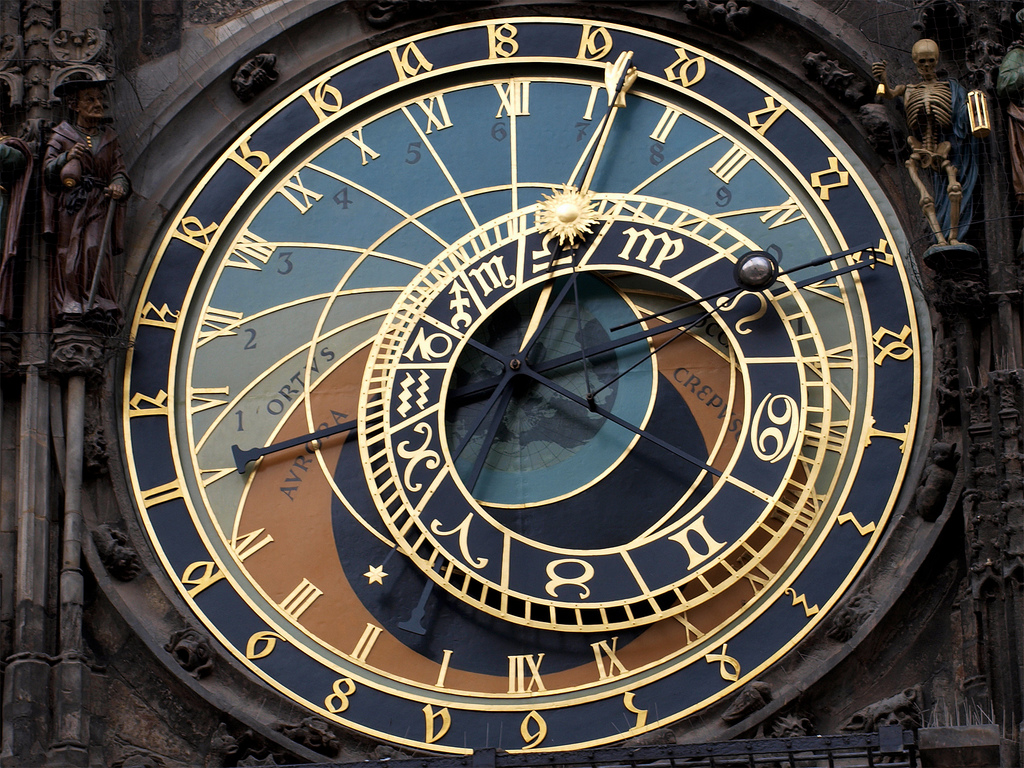
 Human beings stand at the center of these sometimes swift, sometimes slow, always moving patterns of presence and absence, but rarely intuit their own essence might be revealed and magnified by what is veiled and hidden, or by what has been taken away. Yet this form of subtraction may be the very hallmark of our time. At the present time we are asked to live in companionship with patterns and dynamics that are either disappearing, have not fully emerged or can never be fully named; patterns perhaps already changing into forms for which we have yet no language.The world’s economic systems, the world’s ecological systems, the relations between haves and have-nots, the sovereignty of nation states upon which many millions of individuals have based their identities, all these are taking forms which we cannot quite recognize, and in that movement through form seem to be on the verge of disappearing. The problems seem immense; the forces at play absorbing and able to deflect the need for reform.
Little wonder then that if we prefer the appearance of stability or clear unobstructed vision we will manufacture fake narratives to replace the complexity, changeability and raw beauty of real ones, especially if the stories we always wanted to be true seem to shimmer and disappear. It is the task of poetry, and the poetic narrative, to bring our eyes to bear on the raw immensity of these patterns and the heartbreaking nature of our disappearances, which are unavoidable no matter our economic standing or our education; what Yeats called the terrible beauty that is a consequence of being alive in this world, no matter how relentlessly positive we may be. It is the province of poetry to be more realistic and present than the artificial narratives of an outer discourse, and not afraid of the truthful difficulty of the average human life. A good poem looks life straight in the face, unflinching, sincere, equal to revelation through loss or gain. A good poem brims with reflected beauty and even a bracing beautiful ugliness. At the center of our lives, in the midst of the busyness and the forgetting, is a story that makes sense when everything extraneous has been taken away. This is poetry’s province; a form of deep memory; a place from which to witness the intangible, unspeakable thresholds of incarnation we misname an average life.
David Whyte, The Poetic Narrative of Our Times
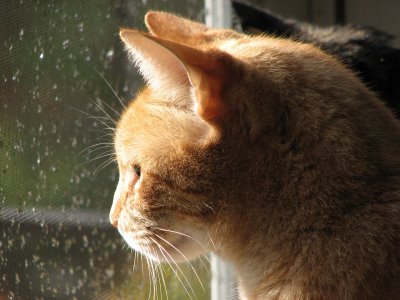
 What is the most precious gem in the world? Certainly this life is precious — the opportunity to be alive is an irreplaceable gift — but can we really appreciate this life for what it is? If we want to find the precious gem in our life, where do we begin? Where do we look? Should we look outside somewhere, or should we look inside? And what does it mean to look inside? Are we really going to find something of value in our body, perhaps in our head or our belly? By pursuing these questions with your whole body and mind, you can discover the truth …. for yourself. But no matter how hard you try, you will never find what is truly precious if you look outside of yourself. You have to look within.
 Each of us has a place in this world. Taking that place, I have come to feel, is our real job as human beings. We are not generic people, we are individuals, and when we appreciate that fact completely and allow ourselves to embrace it and grow into it fully, we see that our unique place in this world is the one thing that gives us a sense of ultimate fulfillment.

 Mindfulbalance