 We all know the top hit of the ego’s silent soundtrack — “If I do this I’ll feel better.” Seeing through our own particular version of this is part of the process of waking up. Again, the essence of this entitlement is the assumption that we can make ourselves, and life, be the way we want them to be. But this can only bring disappointment. Why? Because no matter what we do, there’s no way that we can guarantee a life that is free of problems.
Perhaps the most basic belief underlying all of our feelings of entitlement, our “if onlies,” and even our illusions, is the belief that life should please us, that life should be comfort-able. All of our resistance to life is rooted in our wanting life to be pleasing, comfortable, and safe. When life doesn’t give us what we want—the job that isn’t satisfying, the relationship that isn’t quite working, the body that ages or breaks down— we resist. Our resistance can manifest as anger, or fear, or self-pity, or depression, but whatever form it takes, it blocks our ability to experience true contentment. We see our discomfort as the problem: yet it’s the belief that we can’t be happy if we’re uncomfortable that is much more of a problem than the discomfort itself. One of the most freeing discoveries of an awareness practice is when we realize firsthand that we can, in fact, experience equanimity even in the midst of discomfort.
Ezra Bayda, Beyond Happiness



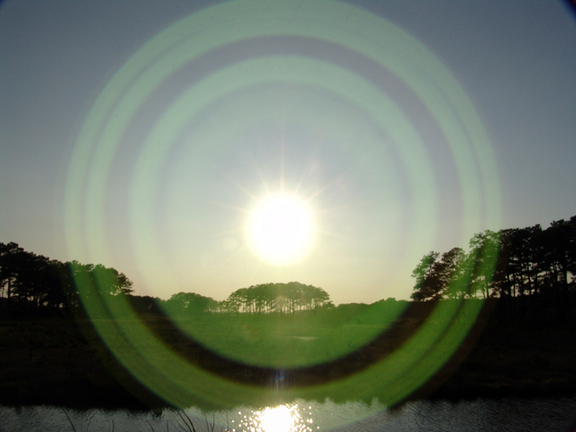
 A very common familiar analogy for being awake is the sun that is always shining behind the clouds. The clouds cover the sun, but the sun is still there….This precious unique moment is always here, always accessible to us. It never went anywhere. But we spend so much time pushing it away and resisting it and not liking the form in which it is happening, that we miss it. This is like the clouds coming in. We identify more with the clouds of our nature than with the sun. Pretty much, that happens again and again. What’s always available to us – which we can come back to, to connect with – is the vastness and openness of our heart and mind in any moment of time.
  Mindfulbalance