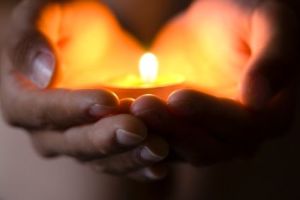
 We get a lot of opportunities in our lives to practice with difficult events we do not understand or experiences that we do not know how they will turn out in the end. So there is a constant dialogue between emptiness and form, with the mind preferring to have definite form most times. We like to be able to give things a definite name, even, paradoxically, preferring to put words like “I’m falling apart” on an experience of confusion or doubt, rather than leave it as an unpleasant feeling. We quickly like to compare experiences with words like “not as good as”, or “went really well” becoming fixed early or immediately after some event. The problem with this is that the mind tends to solidify around the naming and fix the experience there, even though its full meaning has not yet come to light. So there is a wisdom in not naming, in being able to hold a space around an experience which in ongoing. The main ongoing skill in mindfulness practice , which we return to over and over again, is being present in the present moment. We are between what has happened ( which is now a memory, but may be quite active in our emotions and fears, influencing our naming) and what could happen (which is at this moment just a thought). We are in the present, which is really the only time there is. We try to ground our whole sense of balance there, instead of creating fears and what-if’s in our rush to have meaning. Everything else is uncertain.
In-between is where humans always are,
that’s what we have to welcome,
a story with an uncertain ending.
And this condition is interesting if you inhabit it;
it’s alive.
If I’m facing something that I don’t know what to do,
the “not knowing” is what is true,
and the resources that I have,
deeply ignorant that I am,
will have to be enough.
John Tarrant
 For my wife, on our anniversary

 Mindfulbalance