Trying to hold on

File:Yawning German Shepherd.JPG 

Although this is as true as the sky is blue, we keep trying to make gain permanent in order to try to bring about happiness for “me.” We think, “If only So-and-So would love me, I would be happy,“ “If only things would change, I would be happy,” “If only things would stay the way they are, I would always be happy,” and it only leads to heartache. This kind of wanting involves a lot of hope and fear, all based on denial of a simple truth: all the pleasure the world can offer eventually turns to pain. Trying to hold onto pleasure only causes more pain.

Sakyong Mipham Rinpoche, Easy Come Easy Go

photo Lewis Collard

Push and pull

File:Tug of war 2.jpg

Meditation practice provides the perfect context for observing our beliefs and recognizing the tug-of-war we have with our experience. Just sit quietly for five minutes and watch what happens. Unless we have some accomplishment in meditation, we won’t know what to do with all the activity. We become overwhelmed by the energetic play of the mind, pummeled by our own thoughts and emotions, bewildered by our inability to sit in peace. We will want to do something. And we really only have two means of escape from all this mayhem: we can either spin out into thought, which is an exaggeration of reality, or we can suppress or deny it.

Exaggeration and denial describe the dilemma we have with mind, and not just in meditation. Exaggeration and denial operate in conjunction with all our fantasies, hopes, and fears. When we exaggerate experience, we see what isn’t there. And when we deny it, we don’t see what is. Both exaggeration and denial are extraneous to the true nature of things, the nature we experience when we can just stay present.

Elizabeth Mattis-Namgyel, The Power of an Open Question

wanting to be a pleasant feeling

Our attitude is frequently one of wanting to get it done, wanting to have it finished in order to be peaceful, to relax, or to enjoy ourselves….

We want to be a feeling.

Rushing along to be something in the next moment, we fail to open and appreciate this moment.

Ajahn Sucitto, Turning the Wheel of Truth

A pure space of bare attention

File:2007-07-09Aquilegia01.jpgWe have never, not for a single day, the pure space before us, in which flowers
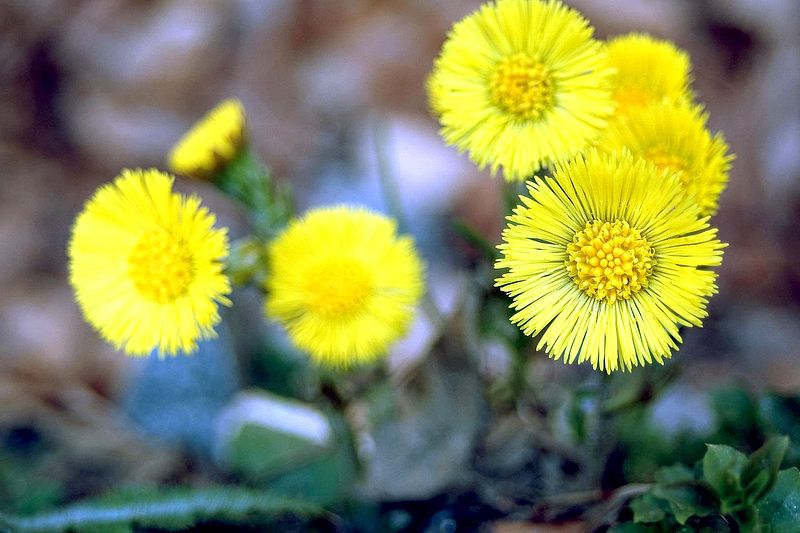
unendingly burst open.

It is always world and never nowhere without no:
that pureness, that unwatched, which one breathes and
endlessly knows and never wants

Rilke, Duino Elegies

Noticing the flower


Flowers_growing

What flower will we miss today, because we wish we were elsewhere or think we have something “better” to do?

One day the Buddha held up a flower in front of an audience of 1,250 monks and nuns. He did not say anything for quite a long time. The audience was perfectly silent. Everyone seemed to be thinking hard, trying to see the meaning behind the Buddha’s gesture. Then, suddenly, the Buddha smiled. He smiled because someone in the audience smiled at him and at the flower.

To me the meaning is quite simple. When someone holds up a flower and shows it to you, he wants you to see it. If you keep thinking you miss the flower. The person who was not thinking, who was just himself, was able to encounter the flower in depth, and he smiled. That is the problem of life. If we are not fully ourselves, truly in the present moment, we miss everything.

Thich Nhat Hanh,  Peace Is Every Step


Knowing the mental energies

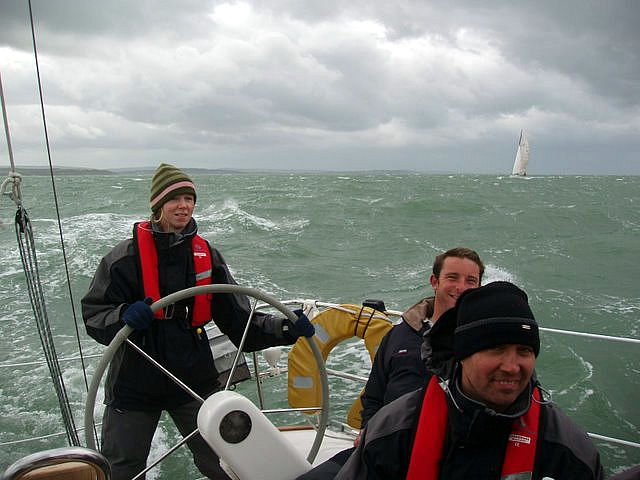
storm-sailingMany people fail to distinguish between their true nature and their personality traits, particularly their less desirable traits. The fact is you are not the worst characteristics of your personality. It is the nature of the untrained mind to want what it perceives as advantageous and to fear or hate what seems painful. Discovering how your heart and mind can work together to use these feelings allows you to move beyond them. You may feel overwhelmed by the circumstances of your present life or bound by past traumatic events. Again, this is a failure in perception. They are just mind-states which can be known. They can be seen as impermanent and not belonging to you and, therefore, they do not ultimately define your true nature.

Philip Moffitt