Speeding up or slowing down

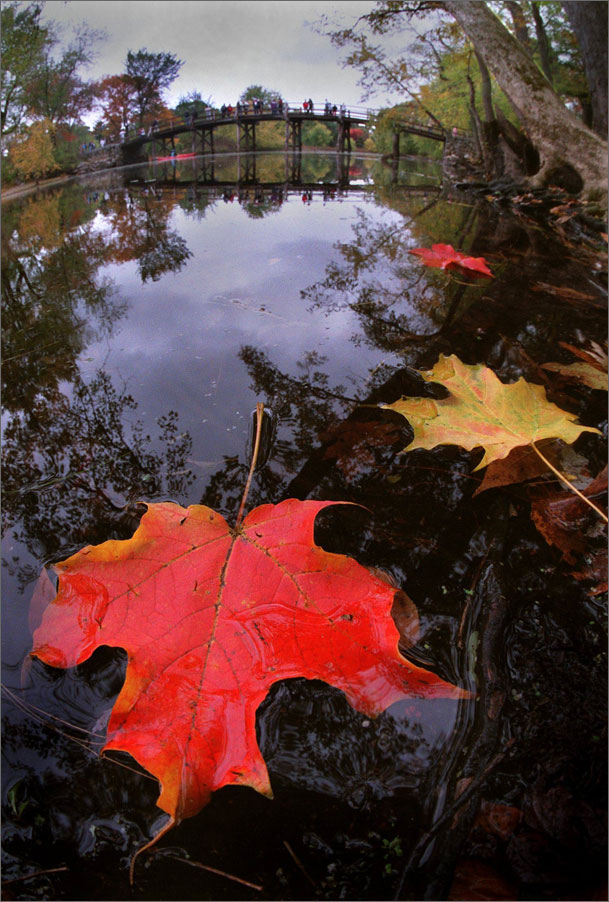
File:Flickr - law keven - I love my nuts....jpg

The days are getting much shorter here in Ireland, and the colder weather and darker afternoons begin to be felt. This is no surprise as we have passed the old date for the start of winter – the feast of Saint Martin – last Monday. Traditionally, a period of forty days preparation for Christmas began then, a custom dating from the 5th Century.  These days coincided with a sense of the natural beginning of winter,  with a winding down of work outdoors and the body’s response to that in letting things go and taking recovery time for itself. It was  a time of reflection and a simplification of intake, of taking stock and winding down. In today’s world,  technology allows us to promote the opposite – longer  shopping hours and a  speeding up in preparation for the holidays, as  Thanksgiving and Christmas  advertisements begin to dominate.  An ancient way of doing things – probably more in tune with nature’s rhythms – and a modern  one.  Thus we have a choice.

The first step in any letting go is ‘stepping back’–  non-involvement. This initiates letting go by unhooking the mind from the topic that is stirring it up. It’s not a matter of avoiding or suppressing the topic, but of seeing it in a clear and spacious way. Non-involvement is about settling back into the present moment, relaxing into the way things are right now; it’s about letting go of the ‘shoulds’ and ‘shouldn’ts,’ the past, the future and the imaginary, and meeting things as they arise in the present…. Letting go is also about giving things time to shift and settle, and being patient with oneself. It’s about not comparing yourself with others, and letting go of self-images. Letting go makes us more flexible and broad-minded. It’s grounded in the understanding that things change; and that they can change for the better if we’re attentive, mindful, and put aside distractions and negativity.

AjahnSucitto, Meditation, A Way to Awakening

photo kevin law
Start to grow up

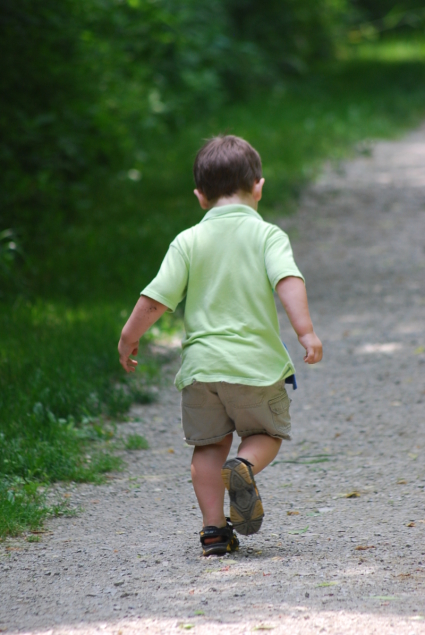
walking child

We have to cultivate contentment with what we have. We really don’t need much. When you know this, the mind settles down. Cultivate generosity. Delight in giving. Learn to live lightly. In this way, we can begin to transform what is negative into what is positive. This is how we start to grow up.

Ani Tenzin Palmo

Declaring a truce

Single_leaf

Again a quote from the Christian tradition, this time from the monastic community of Taize, in Burgundy, France. I went on a silent retreat there from Ireland many years ago,  and was struck by the simplicity of the lifestyle and the kindness of the welcome. This quote reinforces the practical words of Kabat Zinn this morning, encouraging the development of silence as a way of working with worrying thoughts.

How is it possible to reach inner silence? Sometimes we are apparently silent, and yet we have great discussions within, struggling with imaginary partners or with ourselves. Calming our souls requires a kind of simplicity: “I do not occupy myself with things too great and too marvellous for me.” Silence means recognizing that my worries can’t do much. Silence means leaving what is beyond my reach and capacity. A moment of silence, even very short, is like a holy stop, a sabbath rest, a truce from worries.

Taize Community,  The Value of Silence

Thoughts arise and pass away

A field of ocean waves force their way into shore at Cannon Beach against the strong winds along the Oregon Coast, USA.

During meditation we treat all thoughts as if they are of equal value. We try to be aware of them when they come up and then we intentionally return to the breath as the major focus of observation, regardless of the content of the thought!  In other words we intentionally practice letting go of each thought that attracts our attention,  whether it seems important or insightful or unimportant and trivial. We just observe them as thoughts, as discrete events which appear in the field of our awareness.

Jon Kabat Zinn, Full Catastrophe Living

Becoming patient

File:A waiting room.JPG

From a different tradition to this morning’s post, but with a similar point to make. Catholic writer Henri Nouwen encourages the development of patience in order to fully enter into and see what is in front of us. Too often we rush and do not allow the moment, the person,  or the event reveal themselves as they are. We dismiss the moment  as not interesting, or see it from our own place, not able to leave it “right there, right there” as the Buddha said this morning.

If we cannot be patient, we cannot become patient. We cannot be compassionate. If we ourselves are unable to suffer, we cannot suffer with others, which is the meaning of compassion. Patience is the capacity to see, hear, touch, taste and smell as fully as possible the inner and outer events of our lives. It is to enter our lives with open eyes, ears, and hands, so that we really know what is happening. Patience is an extremely difficult discipline precisely because it counteracts our unreflective impulse to flee or to fight. Patience requires us to go beyond the choice between fleeing or fighting. It is the third and most difficult way. It calls for discipline because it goes against the grain of our impulses.

Henry Nouwen, Compassion

photo schnaggli

Clear seeing of whatever is present

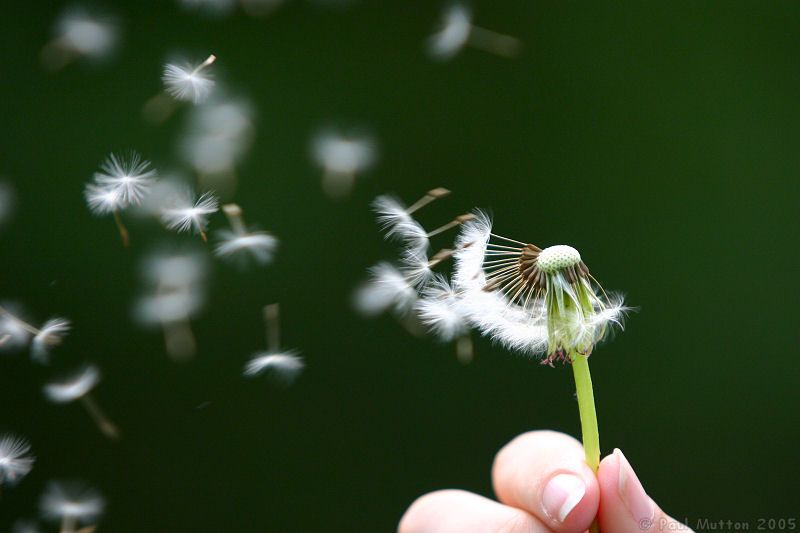
dandelion_seeds_being_blown

You shouldn’t chase after the pastor place expectations on the future.
What is past is left behind. The future is as yet unreached.
Whatever quality is present
you clearly see, right there, right there.
Not taken in; unshaken.

That’s how you develop the heart.

The Buddha, Bhaddekaratta Sutta