Look to our teachers

In the Western tradition there is a recognized hierarchy of beings, with, of course, the human being on top – the pinnacle of evolution, the darling of Creation – and the plants at the bottom.

But in Native ways of knowing, human people are often referred to as “the younger brothers of Creation.”

We say that humans have the least experience with how to live and thus the most to learn – we must look to our teachers among the other species for guidance. Their wisdom is apparent in the way that they live. They teach us by example. They’ve been on the earth far longer than we have been, and have had time to figure things out.

Robin Wall Kimmerer, Braiding Sweetgrass

Taking breaks

It’s impossible to be still and quiet all the time. As a whale or dolphin must break surface, only to dive back down, only to break surface again, each of us must break surface into the noise of the world, only to rest our way back into the depth of stillness, where we can know ourselves and life more deeply, until we have to break surface again. No one is ever done with this crossover between noise and stillness…..For the noise of the mind never dies. It can only be put in perspective, quieted until we can hear the more ancient voices that give us life.

Mark Nepo, Stopping the Noise

Not our doing

We have a deep need to feel as if we are in control ….

We are grasped by what we cannot grasp;

it has its inner light, even from a distance —

and changes us, even if we do not reach it, into something else.

Rainer Maria Rilke

Stirring things up

Eventually you will see that the real cause of problems is not life itself.

It’s the commotion the mind makes about life that really causes the problems.

Michael Singer, The Untethered Soul

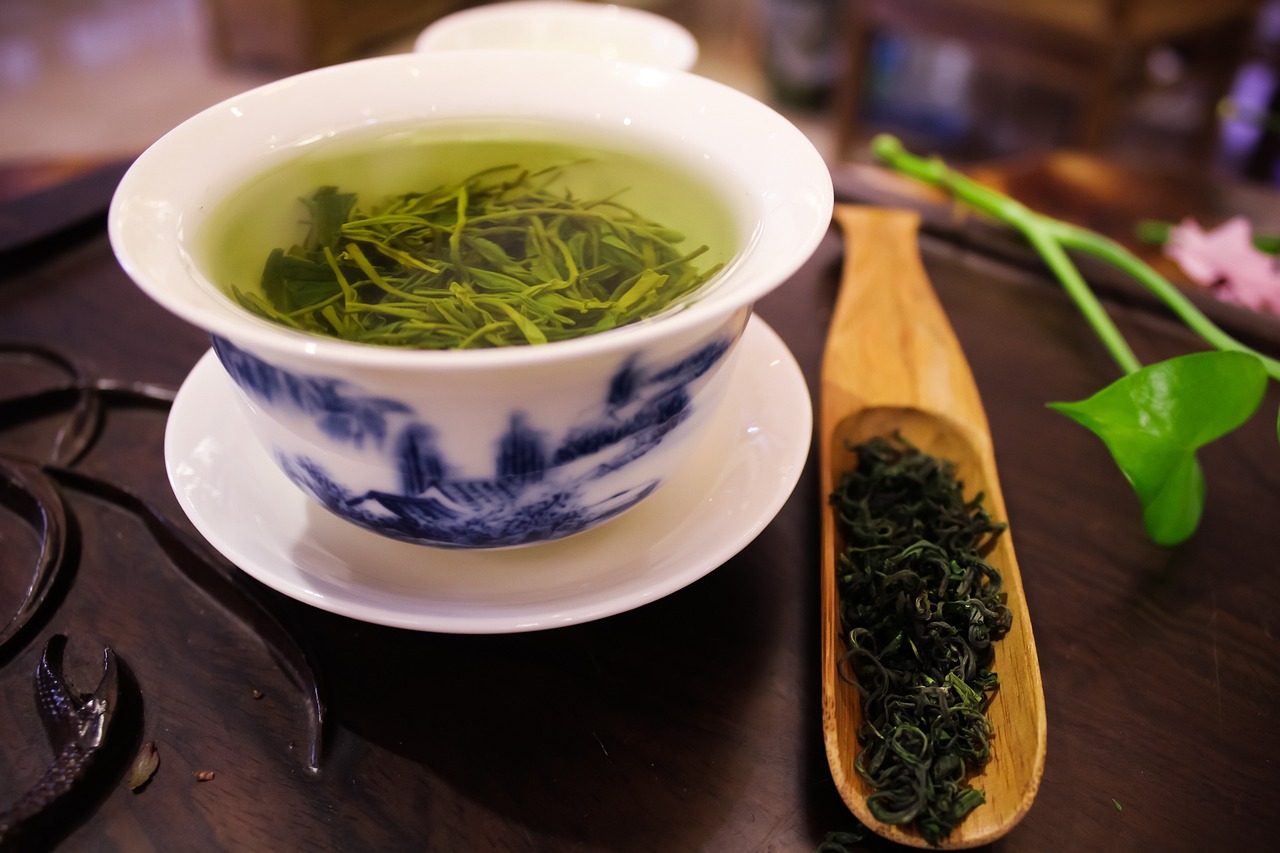
Green tea and a scone

If you have traveled on the spiritual path even a little way, you have probably come across some version of “love what is” — a reminder that you should accept your experience as it is.

However, this teaching easily becomes another injunction. The conditioned mind cannot accept unconditionally. It always has an agenda, even if it is well hidden. It secretly bargains and sends the message, “I will accept you [sotto voce] if you change or leave.” This approach is akin to welcoming guests at your front door while secretly hoping they will exit out the back — the sooner, the better! Guests —our unwanted thoughts, feelings, and sensations — will certainly feel this conditional invitation, even if it is unspoken. As a result, they will be much less willing to enter, relax, and reveal themselves. The result? What we resist, persists.

So when your new arrivals show up at your door, put away your timer and share some aromatic green tea and a raspberry scone with them. Settle in and let them tell their stories and share their feelings. They just want to be heard and understood. Once they feel genuinely received, they will be open to a new perspective.

John Prendergast, Guided Meditation: Accepting Your Experience Just As It Is on the Sounds True blog

Let be

To let go does not mean to get rid of.

To let go means to let be.

When we let be with compassion, things come and go on their own

Jack Kornfield