Beyond likes and dislikes

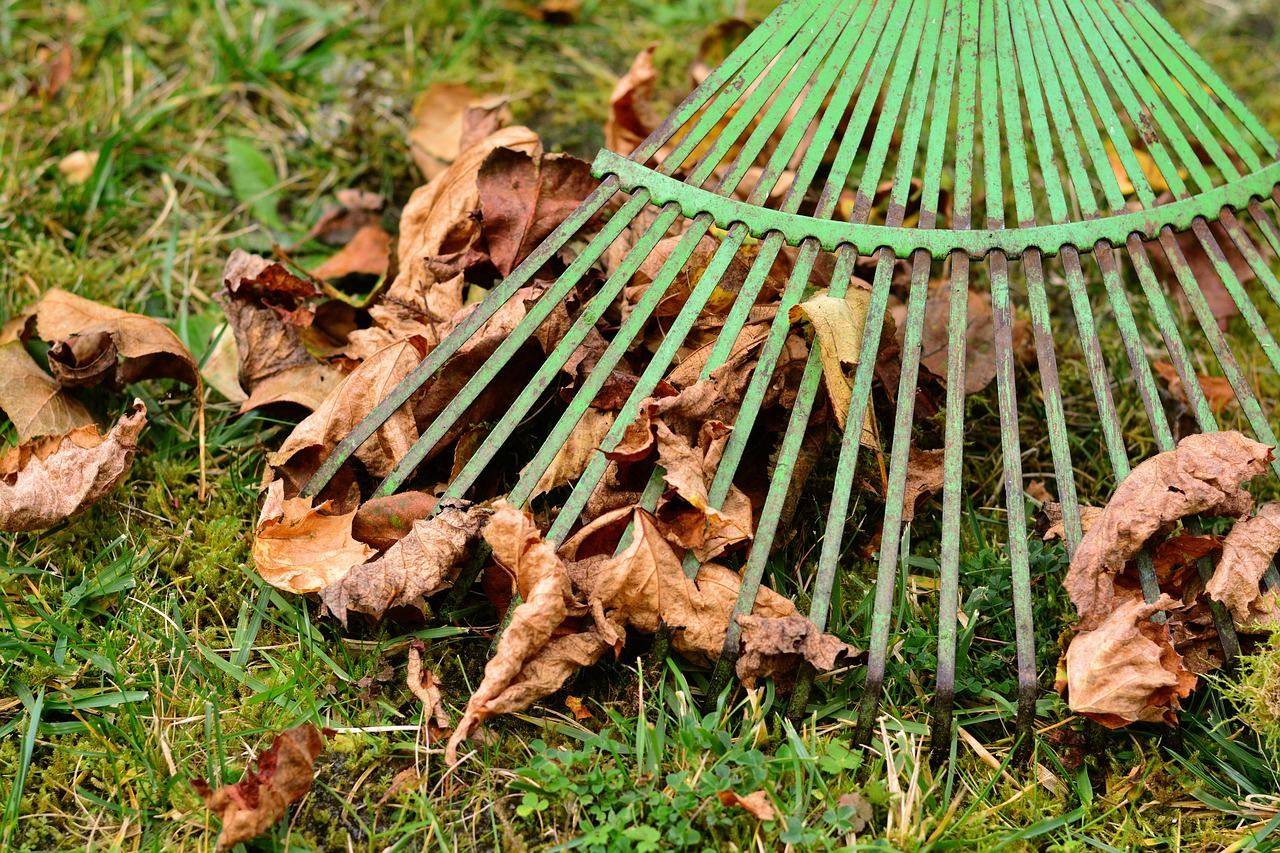
The person who has gone beyond likes and dislikes, Sri Ramakrishna will say, is like an autumn leaf floating in the wind.

It floats gently here when the wind flows here, it goes there when the wind blows there, and slowly it settles to the ground.

Eknath Easwaran, The Bhagavad Gita for Daily Living

Continual practice

In Japan, cleaning is called “Soji” and valued as a way to cultivate our minds. Buddhist monks in a monastery put more time into practicing Soji than into practicing Zen meditation. A monk’s day begins with cleaning. We sweep the temple grounds and polish the temple building

One important thing Soji practice tells us is that we never complete cleaning. Just as leaves begin to fall after you sweep, desires begin to accumulate right after you refresh your mind. We continue cleaning the gloom in our hearts, knowing that we will never end it.

Shoukei Matsumoto, 1979 -,  author of A Monk’s Guide to a Clean House and Mind

A fixed gaze

Rinzai Gigen, the founder of the Rinzai school of Buddhism, said: “Be master wherever you go – then wherever you are, things are as they truly are.”

This means that no matter the circumstances, if you try your best to do what you’re capable of in the here and now, you will realize your potential protagonist, or who you’re meant to be. A protagonist is not misled by information run rampant, does not allow their focus to be drawn this way and that. Their gaze is fixed steadily in one direction. A protagonist stands firmly on the ground, carving a path of their resoluteness. You could even say they are leading their life with certainty.

We are all capable of becoming our own protagonists, anytime and anywhere. But first, we must focus our efforts. Concentrate on the here and now.

Why not begin there?

Shunmyo Masuno, Don’t Worry

Our pain-body

The next time you are offended, consider it a “teachable moment.” Ask yourself what part of you is actually upset. It’s normally the false or smaller self. But we can waste a whole day (or longer) feeding that hurt until it seems to have a life of its own and, in fact, “possesses” us. At that point, it becomes what Eckhart Tolle rightly calls our “pain-body.”

Tolle defines this “accumulated pain” as “a negative energy field that occupies your body and mind.”  In this space, we seem to have a kneejerk, self-protective reaction to everything – and everyone – around us. I emphasize the word reaction here because there’s no clear, conscious decision to think or act in this way. It just happens and we are seemingly powerless to stop it. By doing healing work and by practicing meditation, we learn to stop identifying with the pain and instead calmly relate to it in a compassionate way.This is the primary way we learn to live in our True Self, where we are led by a foundational “yes,” not by the petty push backs of “no.”

Richard Rohr, Daily Meditations

All around

Since the treasure does exist in this world,
consider no ruin empty of treasure….

If the inner eye has not been granted to you,
always think that treasure could be in anybody.

Rumi, The Mathnawi II: 2153-2155

Sunday Quote: the root cause

I think we’re miserable partly because we have only one god, and that’s economics.

James Hillman, 1926 – 2011, American Jungian psychologist