
For years and years I struggled
just to love my life. And then
the butterfly
rose, weightless, in the wind.
“don’t love your life
too much,” it said,
and vanished into the world.
Mary Oliver, One or Two Things
For years and years I struggled
just to love my life. And then
the butterfly
rose, weightless, in the wind.
“don’t love your life
too much,” it said,
and vanished into the world.
Mary Oliver, One or Two Things
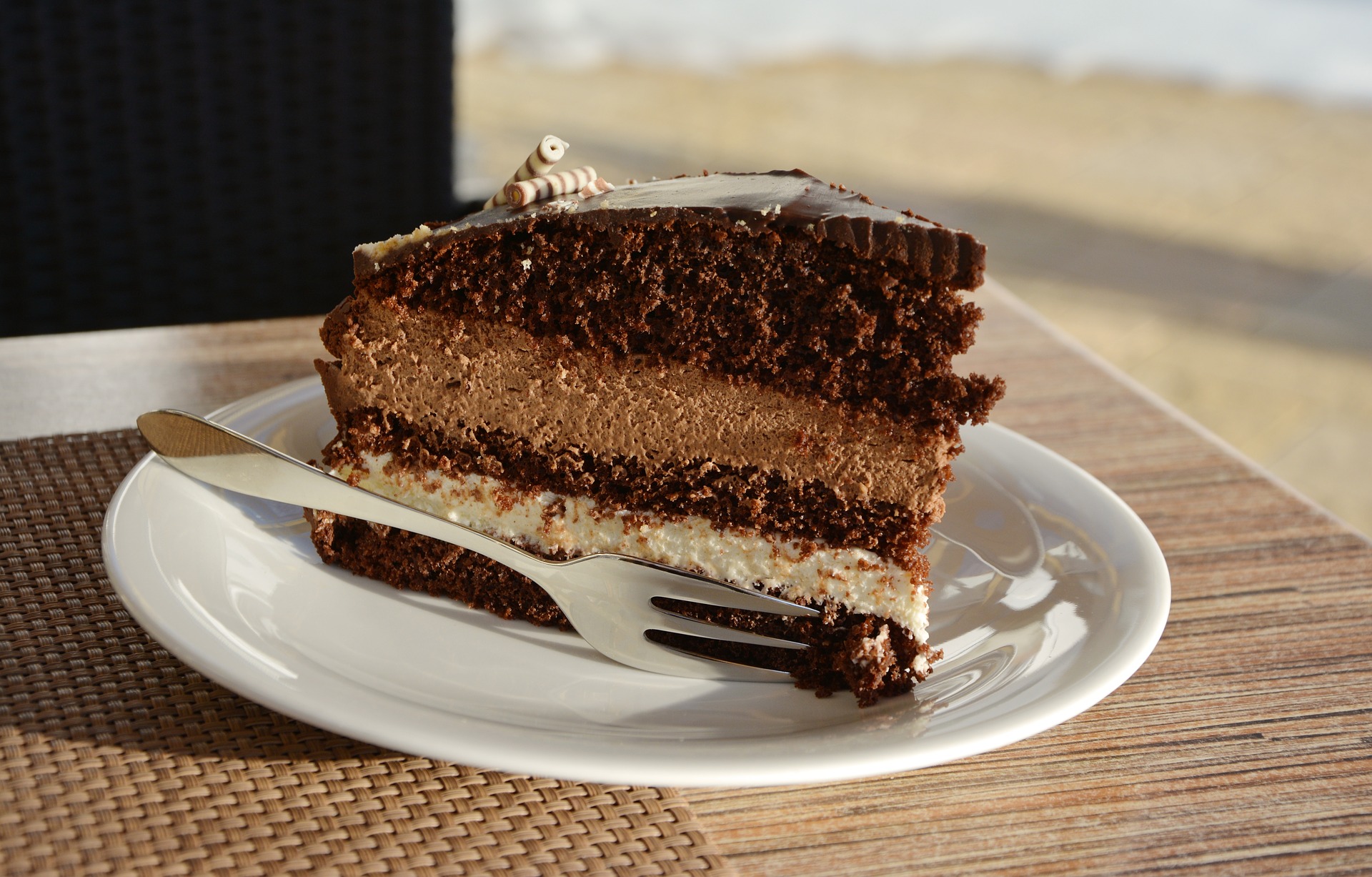
Now and then it’s good to pause in our pursuit of happiness
and just be happy
Guillaume Apollinaire, 1880 – 1918, French poet and playwright

The notion of a spirituality of subtraction comes from Meister Eckhart (c.1260-1327), the medieval Dominican mystic. He said the spiritual life has much more to do with subtraction than it does with addition. Yet I think most Christians today are involved in great part in a spirituality of addition.
The capitalist worldview is the only one most of us have ever known. The nature of the capitalist mind is that things (and often people!) are there for me. Finally, even God becomes an object for my consumption. Religion looks good on my résumé, and anything deemed “spiritual” is a check on my private worthiness list. Some call it spiritual consumerism. It is not the Gospel.
Richard Rohr, Radical Grace

Every day, priests minutely examine the Teachings
And endlessly chant complicated sutras.
Before doing that, though, they should learn
How to read the love letters sent by
The wind and rain, the snow and moon.
Ikkyu, Zen Buddhist monk and poet, 1394–1481

[There are} things that ordinarily you would never dream of being able to tolerate, and having no motivation to in fact tolerate. And then, here is a place where not only can it be tolerated on the surface, but it actually turns out that you don’t need to tolerate it. . . . you can actually welcome it and simply let it be as it is, and then not generate a big story of “this is killing me” and so forth.
That was just one … particular moment. but it showed me something that I’ve never really forgotten, which is that it’s possible to turn towards what you most want to run away from. And then the whole landscape changes when you do that, because there was something in you, in me, that was recognizing that that sensation was not my sensation. And therefore I was already free of it in that moment. It’s not like I had to tolerate it and get good at grinning and bearing it and then it would go away. But no, at its most intense, I can be equanimous about it. And it wasn’t a thought, it was a direct experience.
Jon Kabat Zinn’s insight during a silent retreat which led him to apply mindfulness meditation to mainstream medicine
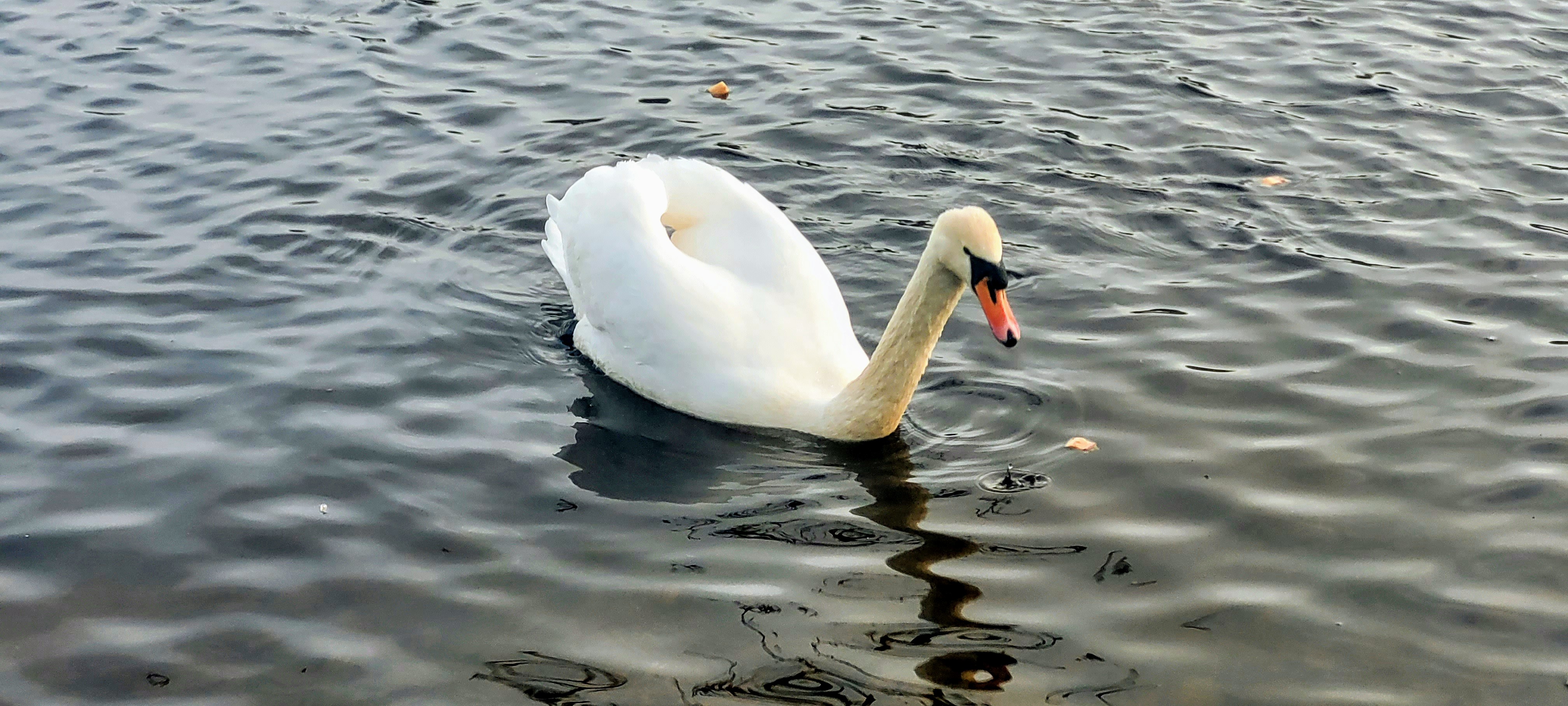
The true purpose [of Zen] is to see things as they are,
to observe things as they are,
and to let everything go as it goes…
Shunryu Suzuki roshi, Zen Mind, Beginners Mind
 Mindfulbalance