
Nothing we see or hear is perfect
But right there in the imperfection
is perfect reality
Shunryu Suzuki roshi
Nothing we see or hear is perfect
But right there in the imperfection
is perfect reality
Shunryu Suzuki roshi

Think about going to the movies. Within seconds, we’re captured by the display on the screen. If it’s a happy movie, we laugh; if it’s a sad movie, we cry. If that’s all that we’re aware of, we don’t really have much choice.
However, if we were to take that same movie and project it on a screen in the middle of an open field in broad daylight, we would be much less likely to get captured. If there’s a big explosion or a love scene, perhaps we’ll pay attention for a little bit, but then our attention will get drawn elsewhere. We see dogs playing, we feel the grass beneath our feet, we hear a plane going overhead. Everything in the environment is so much more real, vast, and vivid than what’s on the movie screen that we don’t get so fascinated by it as easily. The movie is still there, but we’re not bound by it. Our attention is free to roam beyond the film’s storyline, because the context has become so much bigger than the dark theatre.
From this point of view, we can consider that freedom may not actually come from improving the story that’s playing on the screen. In fact, it might come from placing whatever that story is, in all of its complexity, in a larger environment of awareness. Perhaps we don’t have to improve the story we tell about ourselves, about life, in order to experience freedom.
Bruce Tift, Already Free
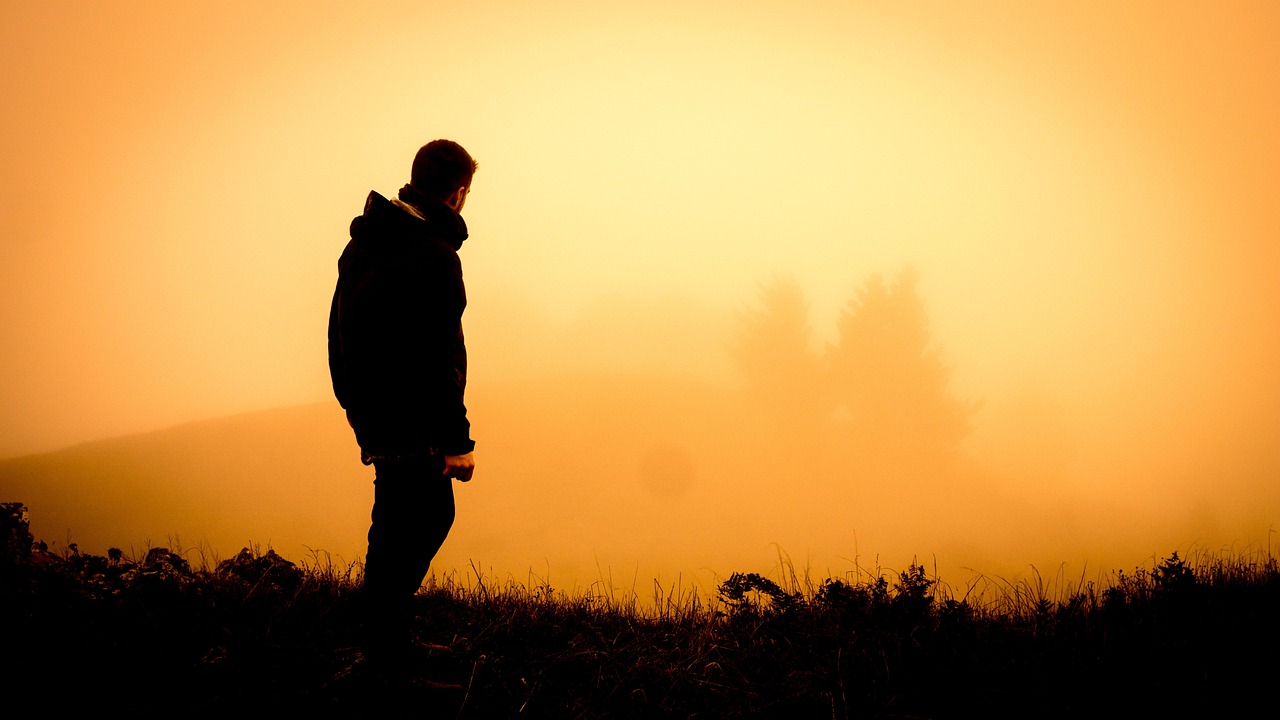
Be a person here. Stand by the river, invoke the owls. Invoke winter, then spring.
Let any season that wants to come here make its own call. After that sound goes away, wait.…
How you stand here is important. How you listen for the next things to happen. How you breathe.
William Stafford, Being a Person
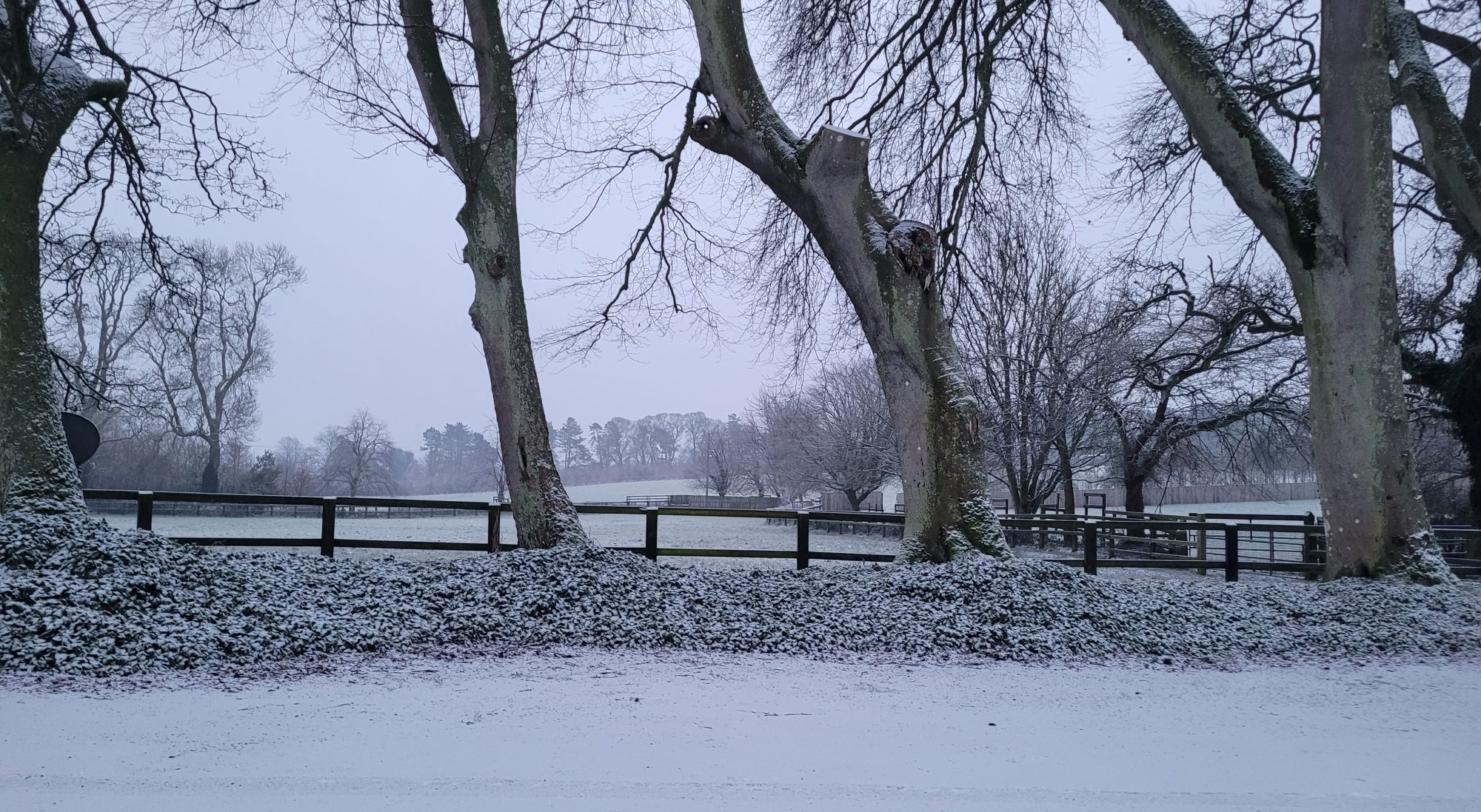
Overnight, the first snow of the winter
A monk wanted to know what was the Great Wisdom.
The Master answered: “The snow is falling fast and all is enveloped in mist.” The monk remained silent. The Master asks: “Do you understand?” “No, Master, I do not”.
Thereupon the Master composed a verse for him: Great Wisdom: It is neither taking in nor giving up. If one understands it not, The wind is cold, the snow is falling.
The monk is ‘trying to understand” when in fact he ought to try to look. The apparently mysterious sayings become much simpler when we see them in the whole context of “mindfulness” which in its most elementary form consists in “bare attention” which simply sees what is right there and does not add any comment, any interpretation, any judgment, any conclusion. It just sees.
If one reaches the point where understanding fails, this is not a tragedy: it is simply a reminder to stop thinking and start looking.
Thomas Merton, Zen and the Birds of Appetite,
The Bodhisattva of Compassion,
while practicing deeply with
the Insight that Brings Us to the Other Shore,
suddenly discovered that
all of the five Skandhas are equally empty,
and with this realisation
he overcame all Ill-being.
This Body itself is Emptiness
and Emptiness itself is this Body.
This Body is not other than Emptiness
and Emptiness is not other than this Body.
The same is true of Feelings,
Perceptions, Mental Formations,
and Consciousness.
The Heart Sutra
[The five skandhas – aggregates or clusters – are form [body] feeling, perception, mental formations, and consciousness. Empty means that they don’t exist in an autonomous, enduring manner because everything depends on, or is interconnected with something else. We strongly hold on to the permanence of things and of our story; this teaching focuses on fluidity ]
The journey to acceptance is about discovering what we need to let go of, rather than what we need to start doing.
By noticing moments of resistance throughout the day, you can start to become more aware of what prevents acceptance from naturally arising. This in turn will allow you to view the thoughts and feelings that arise during your meditation with a much greater sense of ease.
Andy Puddicombe, Ten Tips for Living more Mindfully
 Mindfulbalance