endings

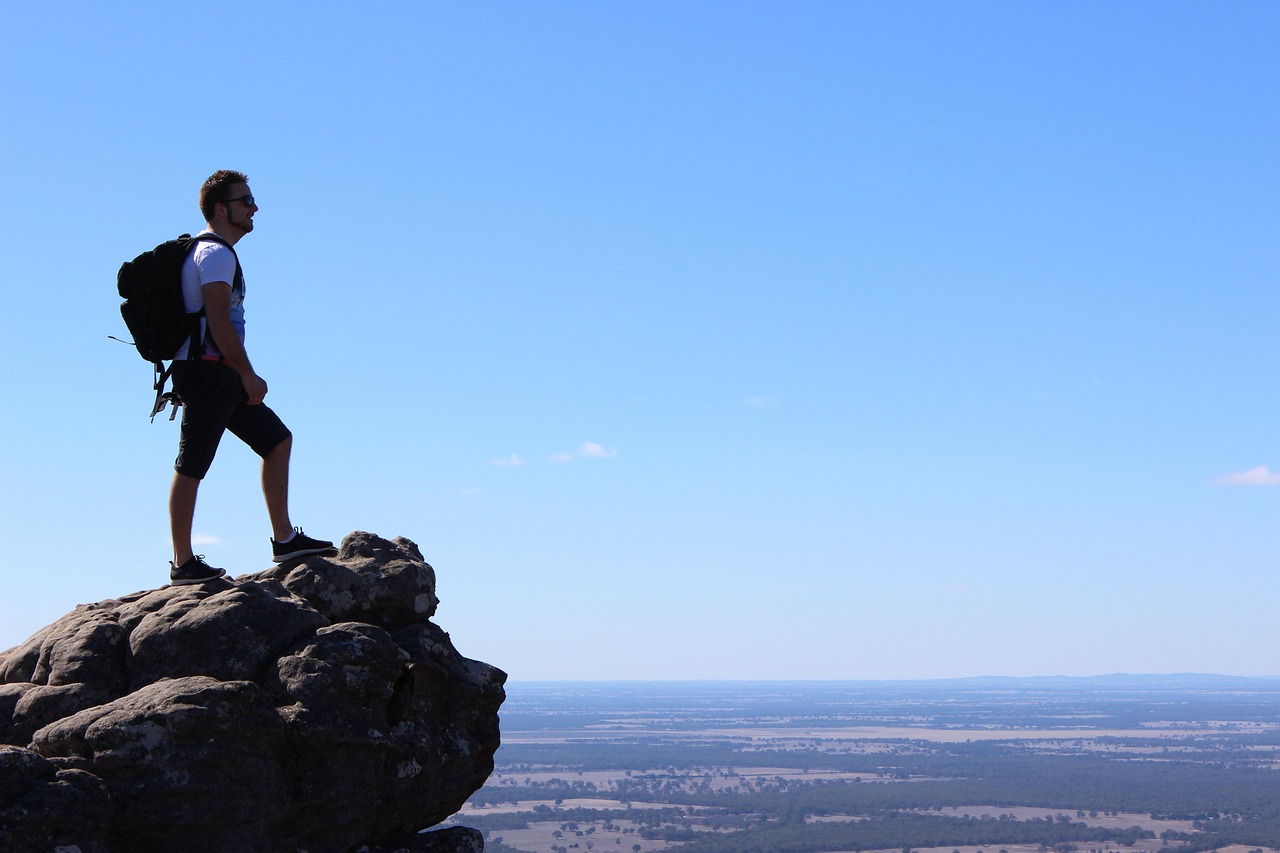
Every ending is a beginning,

and by focusing with so much fear on the endings that we face

we are perhaps missing an openness to the idea that there could be some beginnings,

and they might be worth exploring

Moshin Hamid, British Pakistani novelist,

Flow with conditions

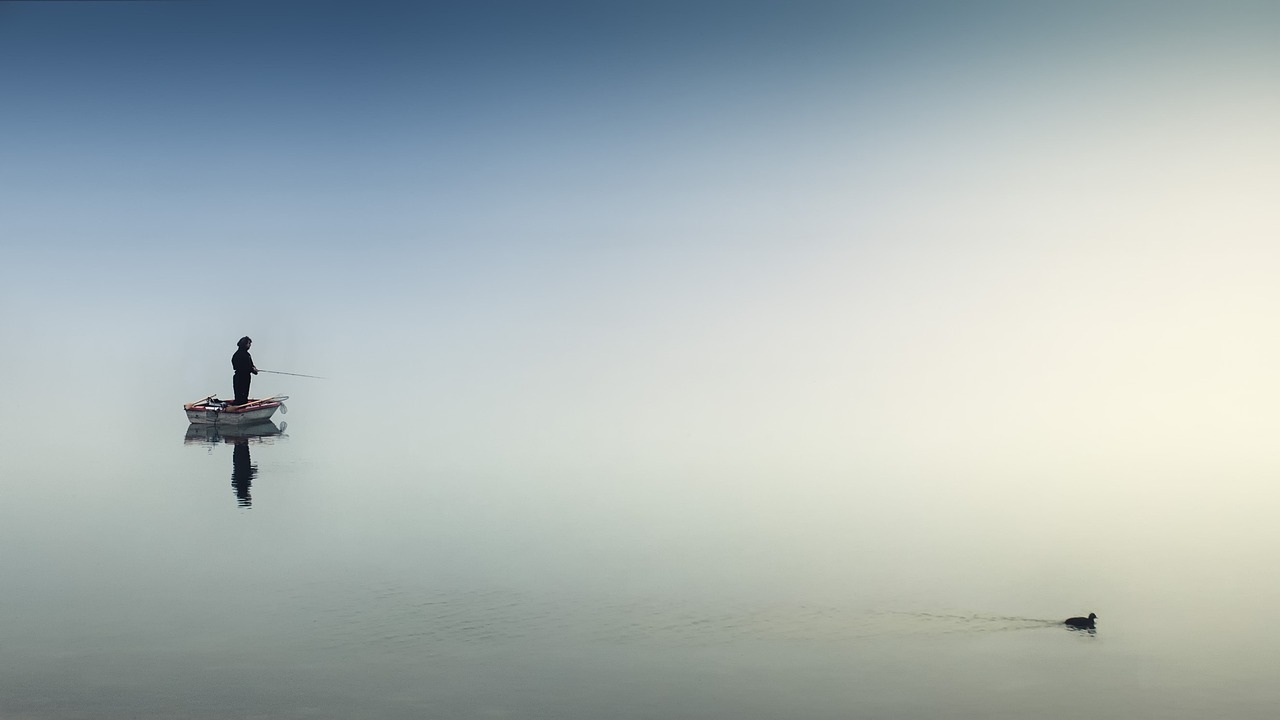
The fundamental nature of mind flows with conditions.

Awakening is only peace.

When there is no obstruction in worldly affairs or principles,

Then birth is non=birth

Mazu Daoyi, Chan Master, 709–788

a way of working with change

The Dzogchen tradition likes to use metaphors for non-grasping – effortless – awareness to help us recognize the “vast expanse” of our “natural mind”

Rest loosely,

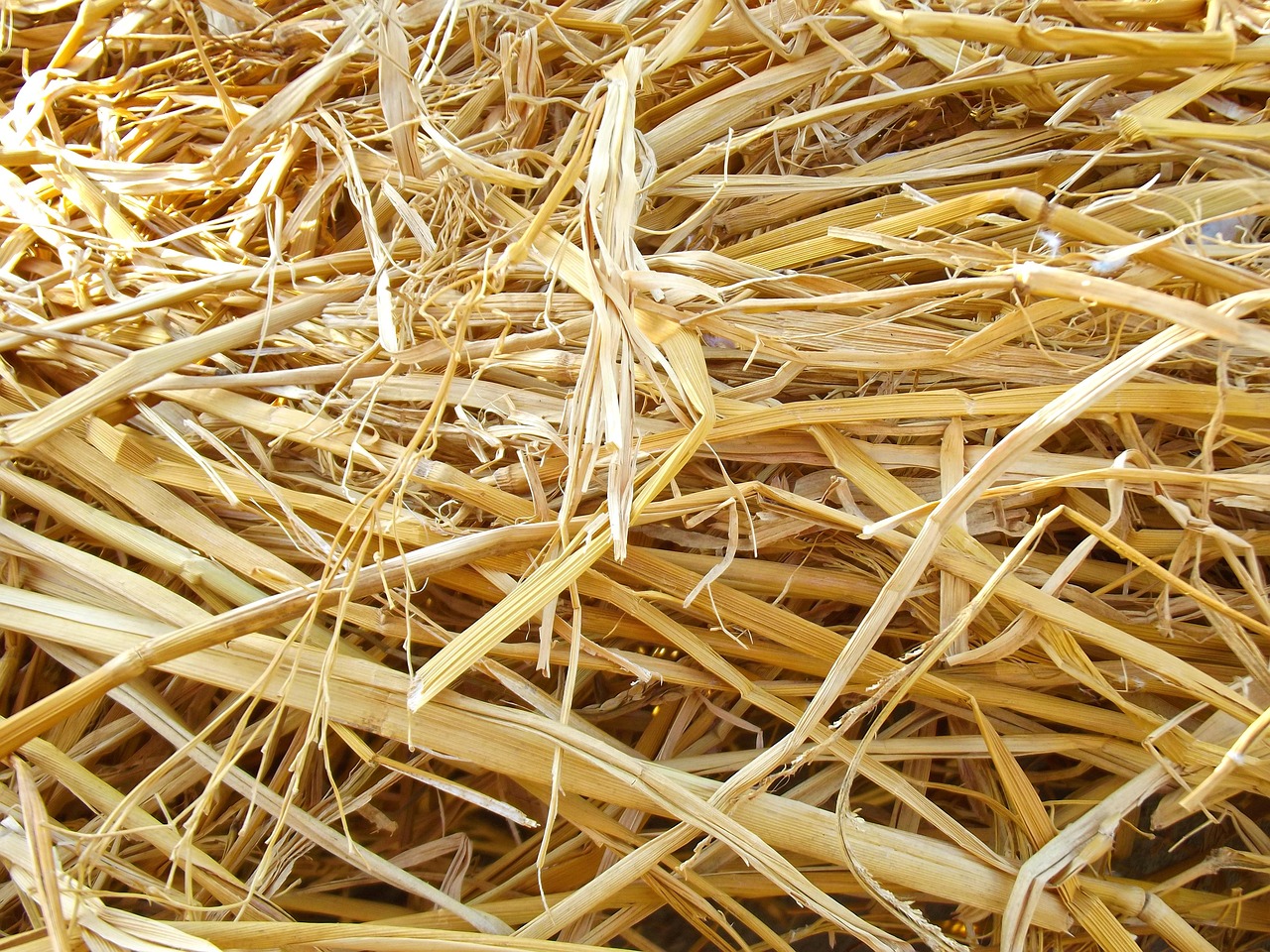
like a bundle of straw untied.

No tightness, no goal

– just this.

Nyoshul Khenpo Jamyang Dorje, Natural Great Perfection: Dzogchen Teachings and Vajra Songs

Being wise

Wisdom is the capacity to see things as they are, without the obscurations of fear or desire. It’s not about knowing more but seeing clearly. When I remember that everything changes – pleasure, pain, even my own life = I stop clinging. This isn’t resignation; it’s liberation. The Buddha didn’t say, ‘Life is suffering.’ He said, ‘Clinging to life as if it were solid and permanent is suffering.’ Wisdom is the antidote to that clinging.


Sylvia Boorstein, It’s Easier Than You Think: The Buddhist Way to Happiness

Bend

The Eastern tradition frequently encourages flexibility, adaptability, and flowing with the natural order. A Bamboo bending with the wind is a frequent image. 

People are born soft and supple;
dead, they are stiff and hard.
Plants are born tender and pliant;
dead, they are brittle and dry.

Thus whoever is stiff and inflexible
is a disciple of death.
Whoever is soft and yielding
is a disciple of life.

The hard and stiff will be broken.
The soft and supple will prevail.

Tao Te Ching, 76

always present

In meditation, we are not trying to become something or get somewhere. We are allowing the mind to settle into its natural state The practice is not about controlling or forcing but about letting go, observing, and trusting in the inherent stillness and wakefulness that is always present.

The breath is a wonderful anchor for this process. It requires no belief system, no special ideology – just the simple, direct experience of the body breathing. We are just noticing it as it is: the rise and fall, the coolness at the nostrils, the movement in the abdomen. This simplicity is where wisdom begins to arise.

Thoughts will come and go, sensations will shift, but the key is to remain the knowing space in which all of this unfolds. 

Ajahn Amaro, Small Boat, Great Mountain: Theravadan Reflections on the Natural Great Perfection