The imperfect

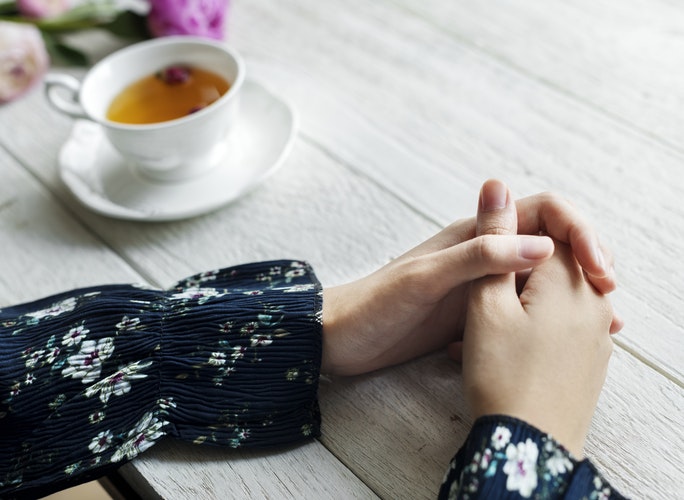
A Japanese tea bowl, irregular in shape and glazed in earthy tones, may at first glance seem crude compared to the precision of fine porcelain. Yet its roughness is deliberate – an aesthetic choice that honors the handmade, the asymmetrical, and the imperfect. It invites us to appreciate the beauty of the unrefined, the incomplete, and the transient.

Western art has often pursued an ideal of flawless execution, but this can leave us feeling inadequate in the face of our own imperfections. By contrast, the Wabi-Sabi tradition reminds us that there is profound beauty in the marks of wear, the uneven edge, the faded color – signs that an object has lived, been used, and borne witness to time.

Alain de Botton and John Armstrong,  Art as Therapy
Fluid

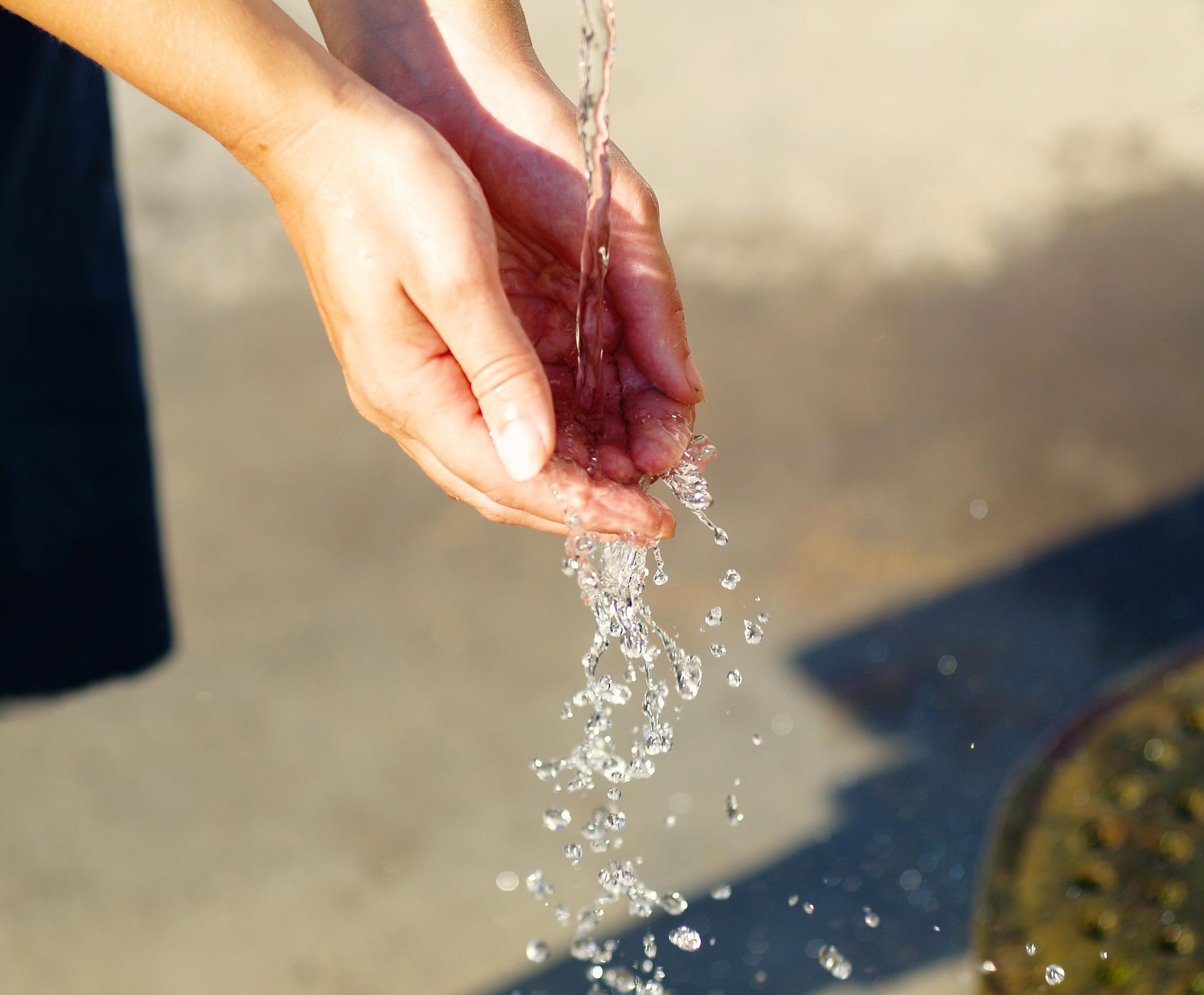
The wish to know oneself is often a wish for certainty, for a fixed identity.

But the self is more like a conversation than a monument -shifting, contradictory, and alive in ways we can’t always grasp.

Adam Phillips, Monogamy

Not personal

When you stop taking experience personally,

the whole drama of ‘I, me, mine’ unravels.

What remains is just life, happening.

Andrew Olendzki, The Buddha’s Medicine

Sunday Quote: being content

Contentment is the crown of the spiritual life.

It’s not about having what you want but wanting what you have.

Ajahn Amaro, from a 2015 talk

Doing Nothing

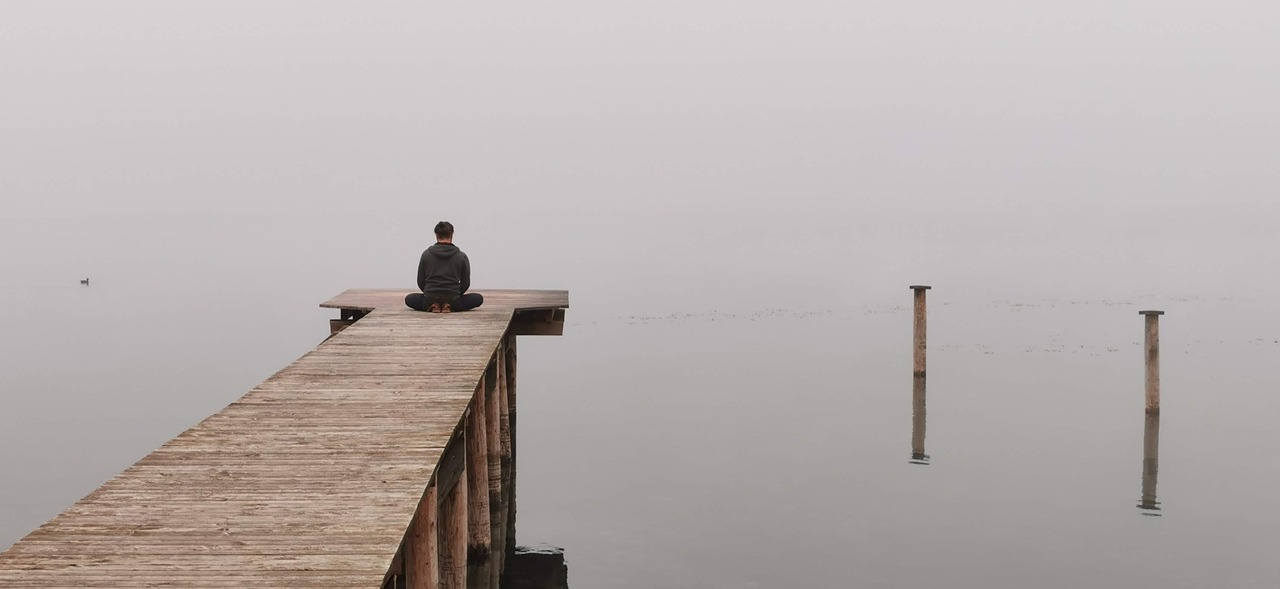
We humans have lost the wisdom of genuinely resting and relaxing. We worry too much. We don’t allow our bodies to heal, and we don’t allow our minds and hearts to heal. […] The practice of doing nothing is very important. It is the foundation. If you cannot stop, you cannot be.


Thich Nhat Hanh, How to Relax

The next branch

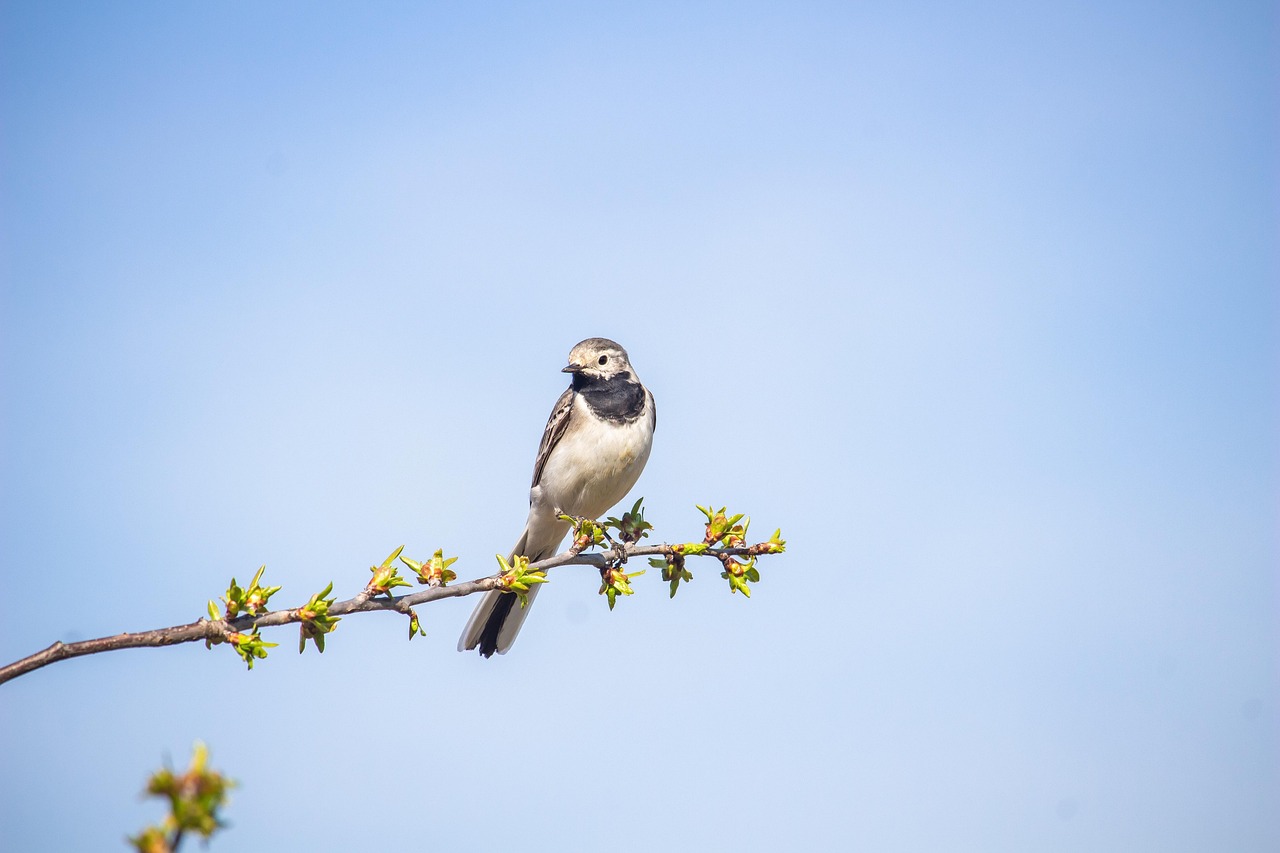
Birds don’t carry their perch with them – they trust the next branch will appear.

So often, we exhaust ourselves clinging to what’s familiar, afraid to fly without guarantees.

But life, like the sky, is always changing. Trust the next branch.

Mark Nepo, The Book of Awakening