It flows

We spend so much of our lives trying to figure things out, to nail down the truth, to be certain. But what if the deepest truth is found not in knowing, but in surrendering to the vastness of not knowing?

In Zen practice, we sit with the question, with the breath, with the moment – without an agenda. This is not a passive resignation but an active engagement with life as it is, free from the filters of our assumptions. When we let go of the need to know, we open ourselves to a reality that is alive, immediate, and infinitely creative.

Not knowing is not ignorance. It is the willingness to meet each experience with fresh eyes, to admit that our thoughts and beliefs are provisional, and to rest in the mystery of being. This takes courage.

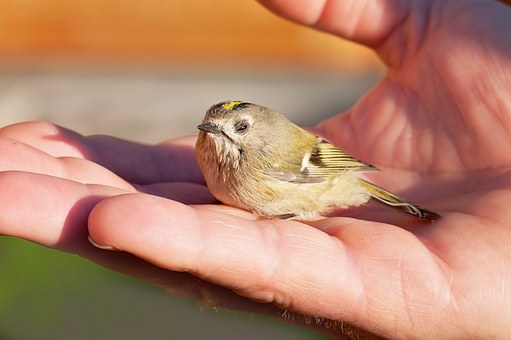
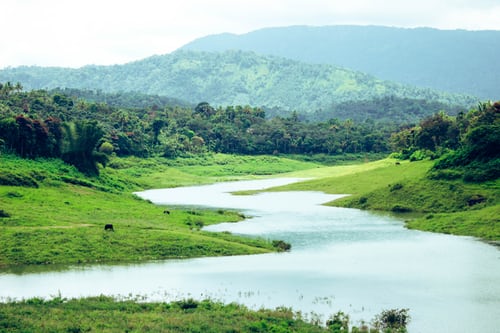
But here’s the secret: When we stop clinging to what we think we know, we discover a freedom that was always here. The bird doesn’t need to know how to fly; it flies. The river doesn’t need to know how to flow; it flows. Can you let yourself be like that?

Melissa Blacker in The Book of Not Knowing 
Unbecoming

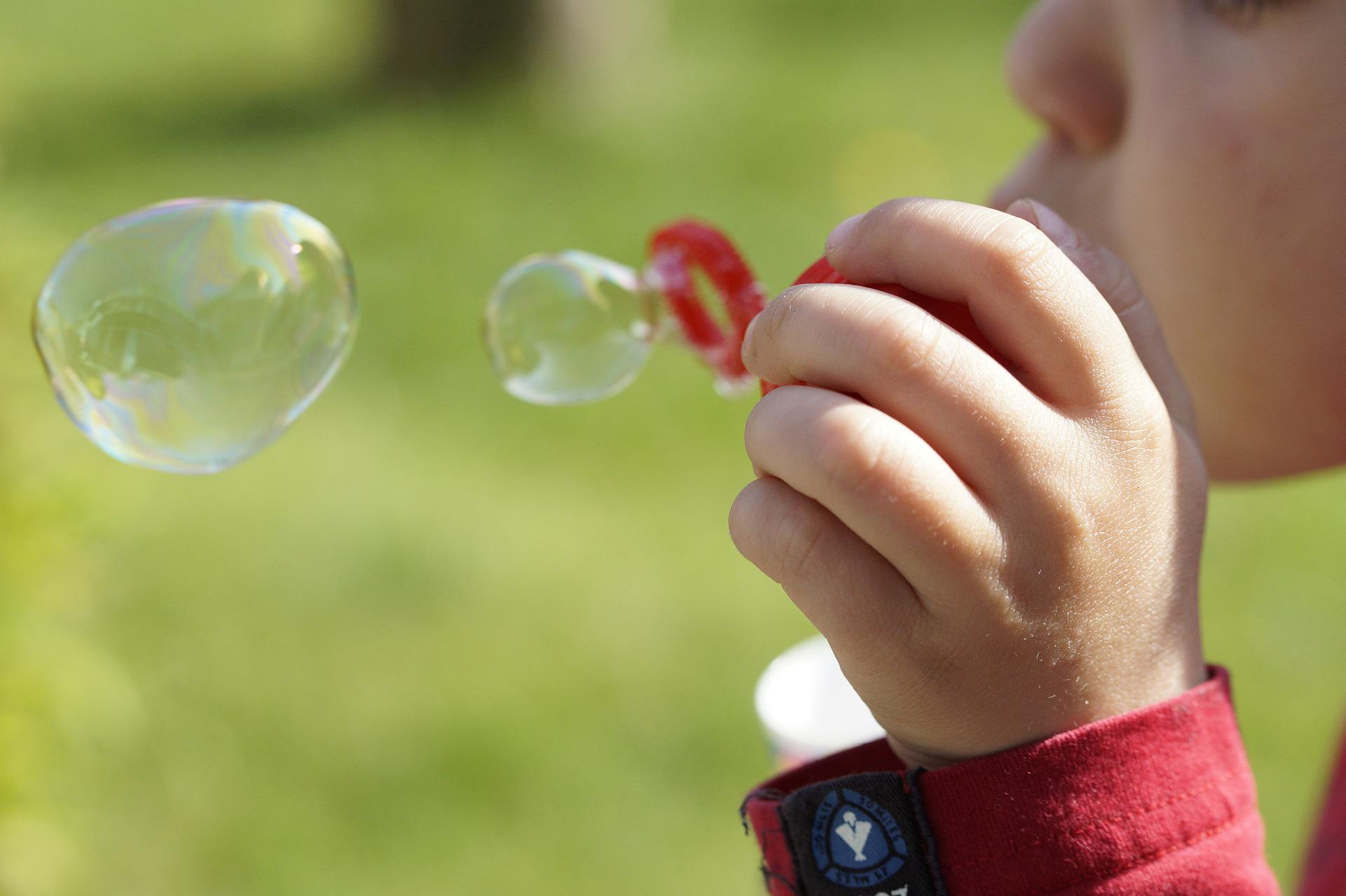
We take ourselves so seriously- our opinions, our achievements, our failures -as if they were monumental, eternal things. But really, they’re just fleeting conditions, like bubbles in a glass of soda. Pop! And they’re gone.

The ego wants to be somebody special, to be remembered, to leave a mark. But the Dhamma isn’t about becoming – it’s about unbecoming. It’s about letting go of the illusion that you’re this grand, separate self. When you see through that, life becomes playful.

The Buddha’s enlightenment wasn’t some solemn, pompous event. It was the ultimate release – from all the heaviness of self. So why cling to your burdens? Why not lighten up?”

 Ajahn Sumedho, The Sound of Silence

Trust the process

The way to do is to be.

Wu wei” means doing by not overdoing. It’s the wisdom of the gardener who nurtures growth without yanking on the plants. It’s the skill of the carpenter who follows the grain instead of forcing the wood. It’s the patience of the cook who lets the soup simmer, knowing interference will only spoil the broth.

In our lives, wu wei is the art of trusting the process – not laziness, but the hardest work of all: getting yourself out of the way

Ursula K. Le Guin, Lao Tzu: Tao Te Ching – A Book About the Way and the Power of the Way

Uncertainty, beauty and sadness

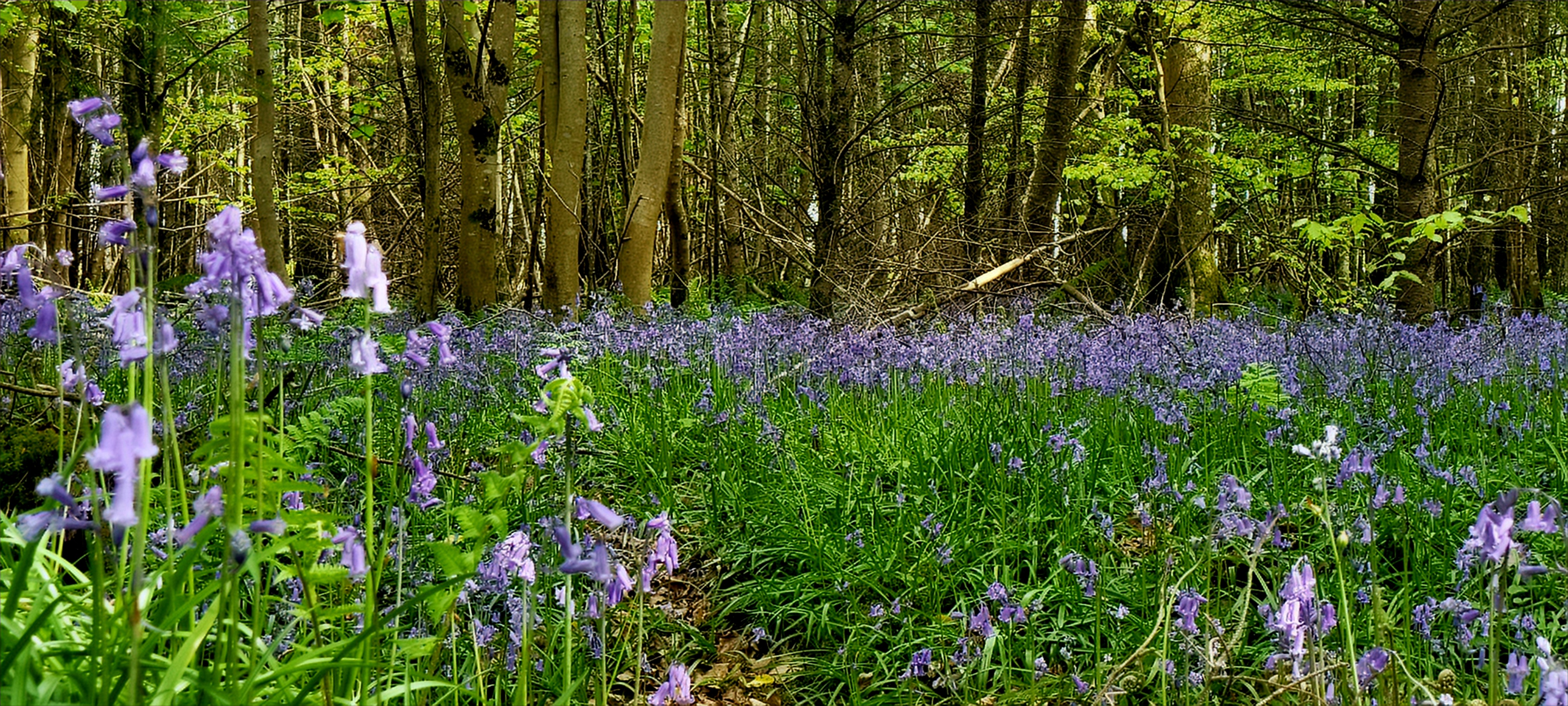
The bluebells in Emo woods are just beginning to wilt. A brief week of beauty shortly to be gone for this year. The Japanese have a word for this  bittersweet awareness of the impermanence of beauty and life – 物の哀れ mono no aware  – often observed when the cheery blossoms bloom and evoke both joy and melancholy, reminding us of life’s transience. Every encounter is unique and will never happen again.

If we were never to fade away like the dews of Adashino,

never to vanish like the smoke over Toribeyama,

but lingered on forever in this world,

how things would lose their power to move us!

The most precious thing in life is its uncertainty.

Yoshida Kenkō, 1283–1350, Japanese author and Buddhist monk, Essays in Idleness 

Sunday Quote: release

True freedom is not about controlling the world around you; it’s about releasing your reactions to it.

When you stop fighting this moment, you realize it was never your enemy.

Michael Singer, Living Untethered

not in the future

I wish to draw attention to the following problem:

the idea of happiness presupposes that at present we are unhappy.

Kosho Uchiyama Roshi, Sōtō Zen monk, 1812 – 1998