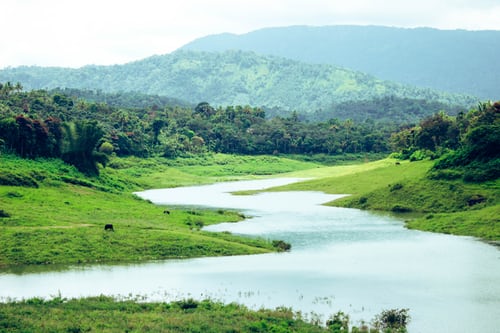
Surrender to the way things want to happen next,
even though this often involves a vast and terrifying loss of control.
Trust the magic that was born into your soul.
Martha Beck
Surrender to the way things want to happen next,
even though this often involves a vast and terrifying loss of control.
Trust the magic that was born into your soul.
Martha Beck
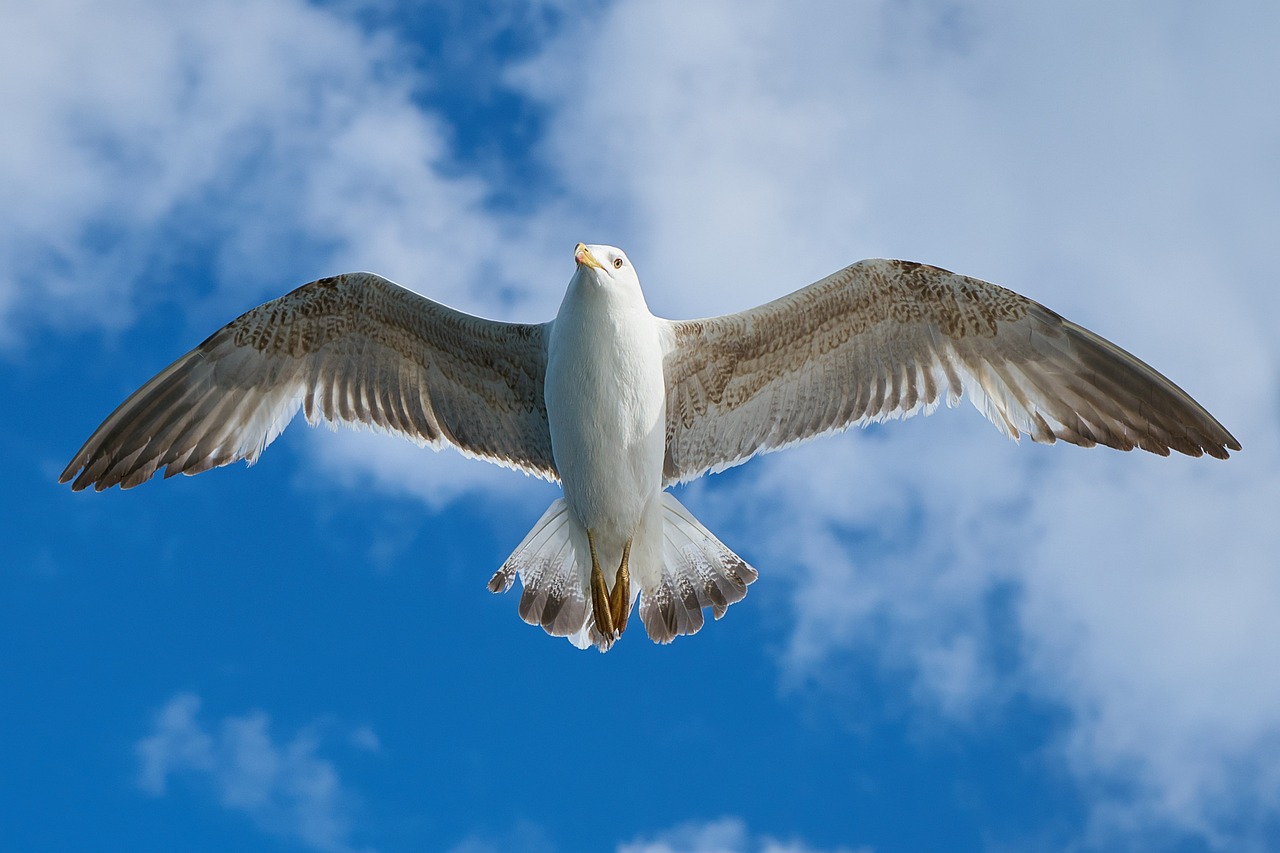
To a disciple who begged for wisdom the Master said,
“Try this out: Close your eyes and see yourself and every living being thrown off the top of a precipice.
Each time you cling to something to stop yourself from falling understand that that is falling too.”
The disciple tried it out and never was the same again.
Anthony de Mello, sj., One Minute Wisdom
“I’m never free of fear,” some people say, implying that there should be a state of mind and body that is free of fear.
How can we possibly be free from fear when we live in the conditioned mode of the me-story most of the time? We’re deeply programmed to believe in this separate me by inaccurate language and by growing up in a world of other mes, all of whom think of and experience themselves as separate entities. . . . With separation inevitably goes fear and pain.
Toni Packer, Touching Fear

It’s easy to identify with all the places we have been hurt or abandoned,
but can we identify with the timeless wholeness that weathers every condition?
If we can’t, we may spend this life protecting ourselves
and never risk really living
Bonnie Myotai Treace Sensei

It’s the expectations of your own mind that are creating your hell. “I expected you to be…” When you get frustrated because something isn’t the way you thought, exmine your thinking, not just the thing that frustrates you. And you will see that a lot of your suffering is caused by your models about how the Universe ought to be. And your inability to allow it to be.
It’s like you come here and it’s a beautiful day, so you expect the next day is going to be beautiful. Then it rains, and you are disappointed. Isn’t it funny that when it rains, you should be disappointed? To take nature and allow nature, when it’s in its natural state, to make you miserable. It says something about you.
Ram Dass

To be happy at home
is the ultimate result of all ambition
Dr Samuel Johnson

