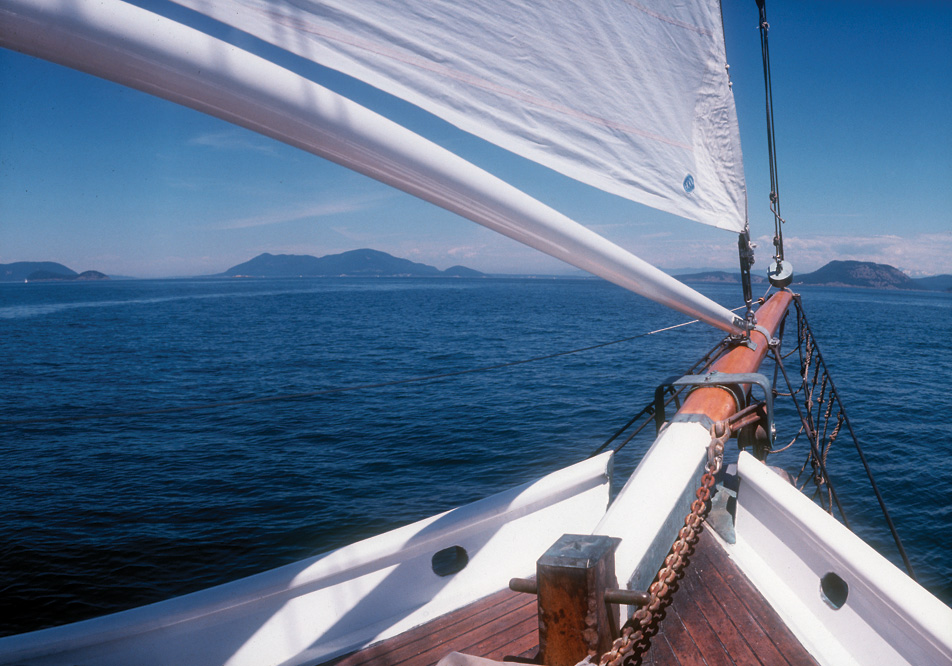
Passengers on the cosmic sea
We know not whence nor whither, –
‘Tis happiness enough to be
Complete with wind and weather.
Liberty Hyde Bailey
Passengers on the cosmic sea
We know not whence nor whither, –
‘Tis happiness enough to be
Complete with wind and weather.
Liberty Hyde Bailey

Experiencing,
rather than trying to have special experiences,
is where real freedom lies
Ezra Bayda, At Home in the Muddy Water
photo berit
 Summer was like your house: you know where each thing stood.
Now you must go out into your heart as onto a vast plain. Now
the immense loneliness begins.
The days go numb, the wind sucks the world from your senses like withered leaves.
Through the empty branches the sky remains. It is what you have.
Be earth now, and evensong.
Be the ground lying under that sky.
Be modest now, like a thing ripened until it is real,
so that he who began it all
can feel you when he reaches for you.
Rainer Maria Rilke
Trees at Bolton Abbey, Moone. Co Kildare
Only the hand that erases can write the true thing.
Meister Eckhart
A crucial skill for minimizing emotional chaos and sustaining clarity in your life is the ability to distinguish between your experience and your interpretation of your experience. Your experience is simply whatever is happening in the moment — a sound, a taste, a bodily sensation, an emotion, any kind of interaction, etc. Your interpretation is your mind’s reaction to that experience. One way to understand this difference to to practice that when you are directly experience a moment of life, you are within it, when you are interpreting it, you are outside it……. The next step toward breaking your habit of automatically interpreting every experience is to practice being mindful from moment to moment of the distinction between experience and interpretation. Begin to notice, ‘Is there a difference between my direct experience of what’s going on and how I’ve interpreted it?’ You’ll need to practice noticing over and over again before you really start to know the difference. The more you’re able to distinguish experience, from interpretation, the more you’ll be able to stay in the moment, the calmer you’ll be, and the more choice you’ll have for responding skillfully to whatever circumstances arise.
Phillip Moffitt, From Emotional Chaos to Clarity
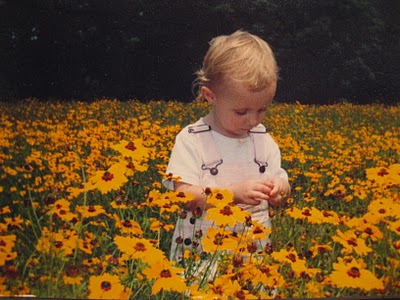
The ability to drop into the present is sometimes referred to as child-mind, because children, little ones, look at things that openly, from that degree of relaxation, from that degree of nowness. Can you remember what it was like as a child, sitting under a bush and how it smelled, going to grandmothers and how her house or garden smelled, and how her perfume smelled? Think of a child going to a museum and not having a clue that what they are seeing is a Picasso or a Renoir. Children just look with this kind of open awareness.
Pema Chodron, How to Meditate

