The basic human predicament

And, if I may say it in a very condensed way, it is precisely the godlike in ourselves that we are ambivalent about, fascinated by and fearful of, motivated to and defensive against.

This is one aspect of the basic human predicament, that we are simultaneously worms and gods.

Abraham Maslow, Towards a Psychology of Being

Free from labels

Mind can only create the qualities of good and bad by comparing. Remove the comparison, and there go the qualities. What remains is the pure unknown: ungraspable object, ungraspable subject, and the clear light of awareness streaming through.

The pivot of the Tao is the mind free of its thoughts. It doesn’t believe that this is a this or that that is a that. Let Yes and No sprint around the circumference toward a finish line that doesn’t exist. How can they stop trying to win the argument of life until you stop?

Stephen Mitchell, The Second Book of the Tao

Settle

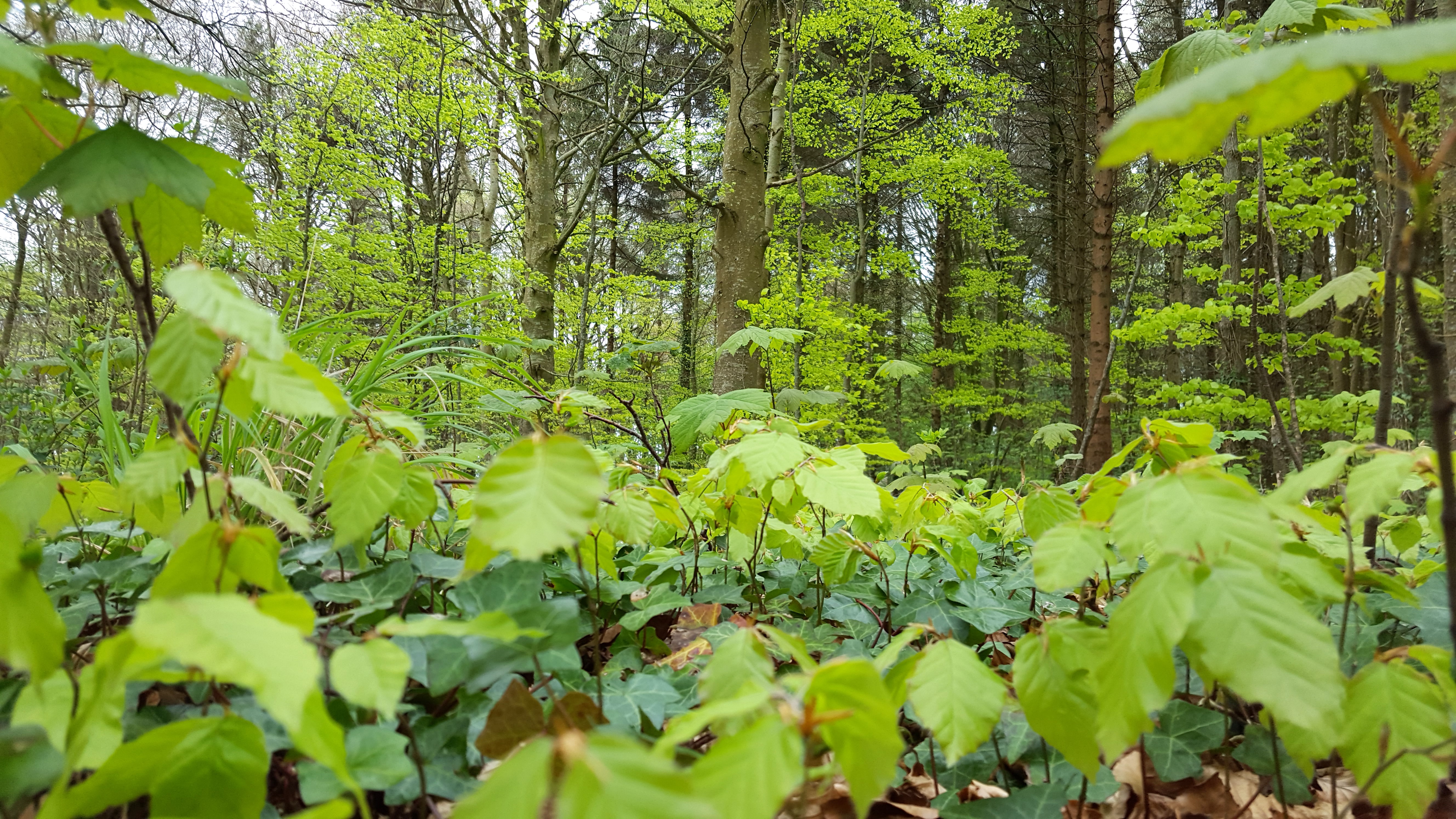
Early Spring growth is all around, reminding us to trust…

Settling, white dew
 does not discriminate,

each drop its home.

Nishiyama Sōin, 1605 – 1682 Japanese poet, founder of the Danrin school of haikai poetry

Trust in your experience

This is an exquisite truth:
Saints and ordinary folk are the same from the start.
Inquiring about a difference
is like asking to borrow string when you already have a good strong rope.

Every Dharma is known in the heart.

After rain, the mountain colors intensify.
Once you become familiar with the design of fate’s illusions
Your ink-well will contain all of life and death.

from the great Hsu Yun, 1840 – 1959, renowned Chan (Zen) Buddhist, regarded as the greatest Buddhist teacher in China in the modern era.

found in Grainger, The Longing In Between: Sacred Poetry From Around The World

Sunday Quote: Stay Here, now

Too much longing:

it separates us

like scent from bread,

rust from iron.

Jane Hirshfield, Sentencings [extract]

Seize the present

The well-known Carpe Diem text. The original Latin is meaning is closer to “harvest the day” which gives perhaps a deeper sense than the popular translation:

Leucon, no one’s allowed to know his fate,
Not you, not me: don’t ask, don’t hunt for answers
In tea leaves or palms.

Be patient with whatever comes.
This could be our last winter, it could be many
More, pounding the Tuscan Sea on these rocks:


Do what you must, be wise, cut your vines
And forget about hope. Time goes running, even
As we talk.

Take the present, the future’s no one’s affair.

Horace, 65 – 8 BC, Roman Lyric Poet, Ode I. 11 translation Burton Raffel, The Essential Horace: Odes, Epodes, Satires and Epistles,