Changing and unchanging

File:Moon in dawn reflection on lake scenic.jpg

In the MBSR group last night in Moone we were talking about how each day we are confronted with new experiences and challenges – unexpected deadlines, getting a parking ticket, the wind bringing down trees. We can be faced with changing feelings and attitudes, moods and emotions. However, as we said,  it is not so much the experiences in our life that are crucial but how we relate to our experiences. Through sitting we are nourishing something that does not change – our awareness – which allows us say, as Tara Brach suggested yesterday,  “This too”:

The water in the stream may have changed many times,

but the reflection of the moon and the stars remains the same.

Rumi

Support

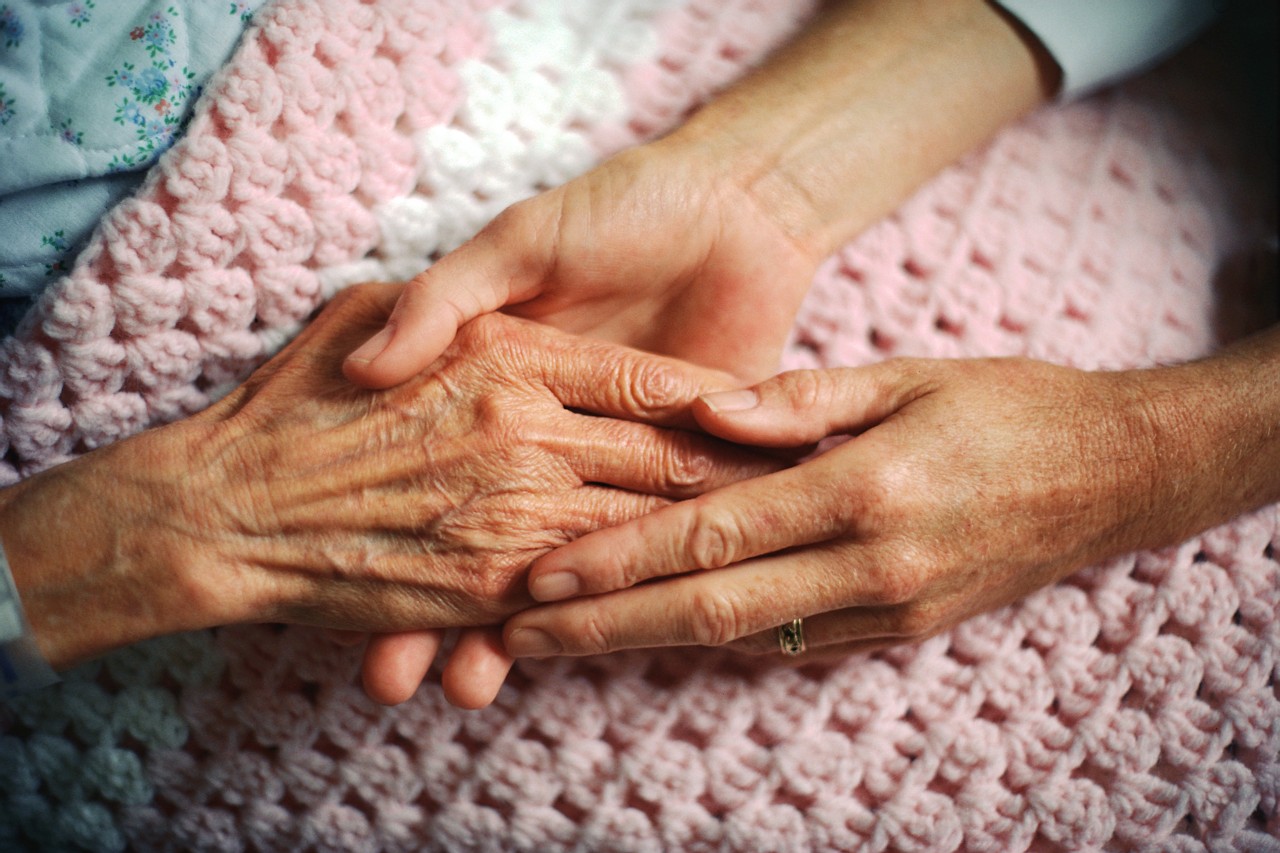
Holding Hands with Elderly Patient

We are all substantially flawed, wounded, angry, hurt, here on Earth. But this human condition, so painful to us, and in some ways shameful – because we feel we are weak when the reality of ourselves is exposed – is made much more bearable when it is shared, face to face, in words that have expressive human eyes behind them.

Alice Walker, Letter to President Clinton

Being kind to yourself today

Change
 
Typically you will find that when you’re anxious, lonely, or depressed, you’re also down on yourself in some way, and that undercurrent of feeling deficient or unworthy is what’s keeping you cut off from your own aliveness, as well as your feeling of connection with others. The way of healing and homecoming begins with what I call “a gesture of kindness.” You might for instance put your hand on your heart—letting the touch be tender—and send a message inwardly. It might be “It’s okay, ….. Often, it’s simply,  “This, too.” Sometimes, this gesture of kindness includes saying “yes” to whatever is going on — the yes meaning, “This is what’s happening, it’s how life is right now … it’s okay.”
 
Tara Brach
 

Not demanding something different

The previous post suggests letting go as a way of negotiating the ups and downs of each day, and I got an early opportunity to practice this strategy this morning. I arose early and set out to get to College in good time. However a major accident closed the main road towards Dublin and led to diversions, traffic chaos, and added significant time to a normally carefree journey. So the planned early start at the desk did not materialize. It is good to work at being at peace with how each day starts and develops, how our life is actually unfolding in this moment,  as this leads to being at peace with how our lives are in an overall sense.

Pleasant conditions change into unpleasant ones, and unpleasant conditions eventually become pleasant. We should just keep this awareness of impermanence and be at peace with the way things are, not demanding that they be otherwise. The people we live with, the places we live in, the society we are a part of – we should just be at peace with everything. But most of all we should be at peace with ourselves – that is the big lesson to learn in life. It is really hard to be at peace with oneself. I find that most people have a lot of self-aversion. It is much better to be at peace with our own bodies and minds than anything else, and not demand that they be perfect, that we be perfect, or that everything be good. We can be at peace with the good and the bad.

Ajahn Sumedho

…..onto how reality is

sun through clouds

Clouds draw water from the ocean to fall as rain on the earth
And there is neither increase nor decrease;
Just so, reality remains unaltered like the pure sky.

Saraha, 8th century Buddhist teacher

Projecting our commentary and our moods….

commentator

We are each living in our own soap opera. We do not see things as they really are. We see only our own interpretations. This is because our minds are always so busy. When we try to look into the mind itself, we cannot see anything below our surface consciousness. But when the mind calms down it becomes clear. This mental clarity enables us to see things as they really are, instead of projecting our cometary onto everything.

Ani Tenzin Palmo, Reflections on a Mountain Lake