Recognizing your experience

Looking Outside

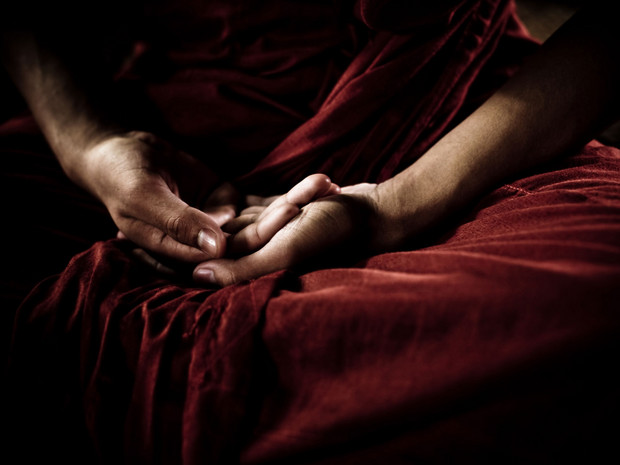
Here’s a definition of mindfulness: it’s a strengthening of your concentration so that you can be more precise and clear in recognizing your experience. It’s also a strengthening of your equanimity — your ability to be relaxed and open in the face of your experience. The concentration part of mindfulness is a little like drinking a cup of coffee; it kind of wakes you up. It’s like the straight spine of arousal or awareness. The equanimity part is like the relaxed limbs of the body. The spine is straight, and the limbs are relaxed. This relaxation part is a receptivity and acceptance to things as they are. It’s a kind of “friendly audience” to your own experience; a sort of “Hello. Wow! OK.” attitude — a gentle, matter-of-fact awareness of your experience, rather than a reactive pulling back.  All mindfulness practices cultivate both of those, the concentration and the equanimity, so that you can be clearer, more precise and more relaxed in the face of whatever is happening to you —whether it’s loud noises coming in from a jackhammer running in the next building, or a pain in your knee, or your emotions about your spouse.

Polly Young-Eisendrath

A different strength

sitting

Too often, people think that solving problems is based on conquering the earth,

rather than touching the earth,

touching ground.

Chögyam Trungpa Rinpoche

Sunday Quote: The value of moments of standing still

en-pleine-meditation_620x465Without passing your own door, you can know the world.

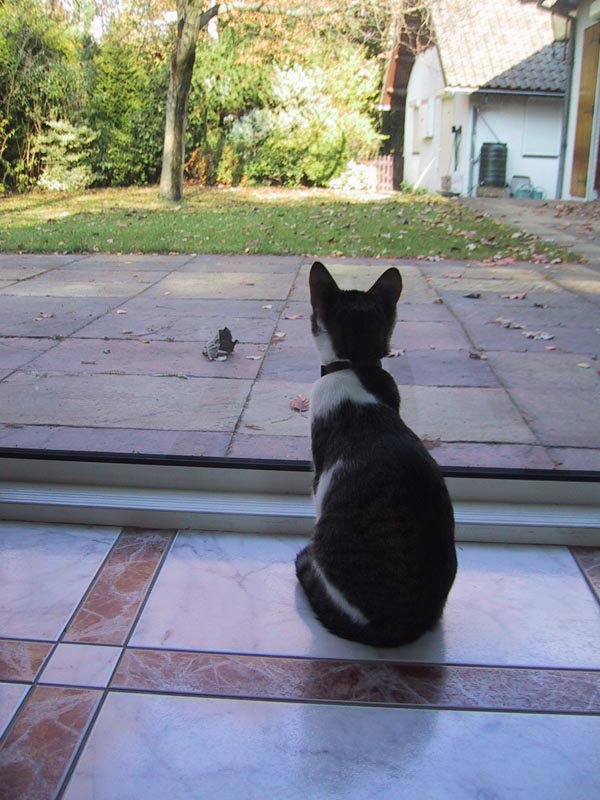
Without looking through the window, you can see the road to heaven.

The farther you go, the less you know.

Lao-tzu.

Simplify the production

File:Production of the Regina Operatic Society at the Regina Theatre.jpg
Mindfulness, seeing clearly, means awakening to the happiness of the uncomplicated moment. We complicate moments. Hardly anything happens without the mind spinning it up into an elaborate production.

It’s the elaboration that makes life more difficult than it needs to be.

Sylvia Boorstein

Take a break

Pause

Use those few seconds when you find yourself willing or even desiring just to take a break from the daily grind to observe your mind rather than drifting off into daydreams. Practicing like this, “one drip at a time,” you’ll find yourself gradually becoming free of the mental and emotional limitations that are the source of fatigue, disappointment, anger, and despair, and discover within yourself an unlimited source of clarity, wisdom, diligence, peace, and compassion.

Yongey Mingpur RInpoche, The Joy of Living

The principle of nowness

nowThe principle of nowness is very important to any effort to establish an enlightened society. You may wonder what the best approach is to helping society and how you can know that what you are doing is authentic and good. The only answer is nowness. The way to relax, or rest the mind in nowness, is through the practice of meditation. In meditation you take an unbiased approach. You let things be as they are, without judgment, and in that way you yourself learn to be.

Chogyam Trungpa