Time enough


The butterfly counts not months

but moments,

and has time enough.

Rabindranath Tagore

Using time wisely

To truly be kind to others (and ourselves for that matter), it helps to abandon time slavery and try to notice what kind of time others are keeping, to notice their face and their gesture, to know when they are ready to say something, ready to be quiet, ready to come, to go, to be led, to be followed. So many times I have been unable to listen or to notice what someone was going through or where they were headed because it didn’t meet with my schedule. Patience and timing are inextricably linked. Patience, which we can regard with such excruciation, offers a hidden reward. When we stop watching the pot, we may learn that it boils right on time.

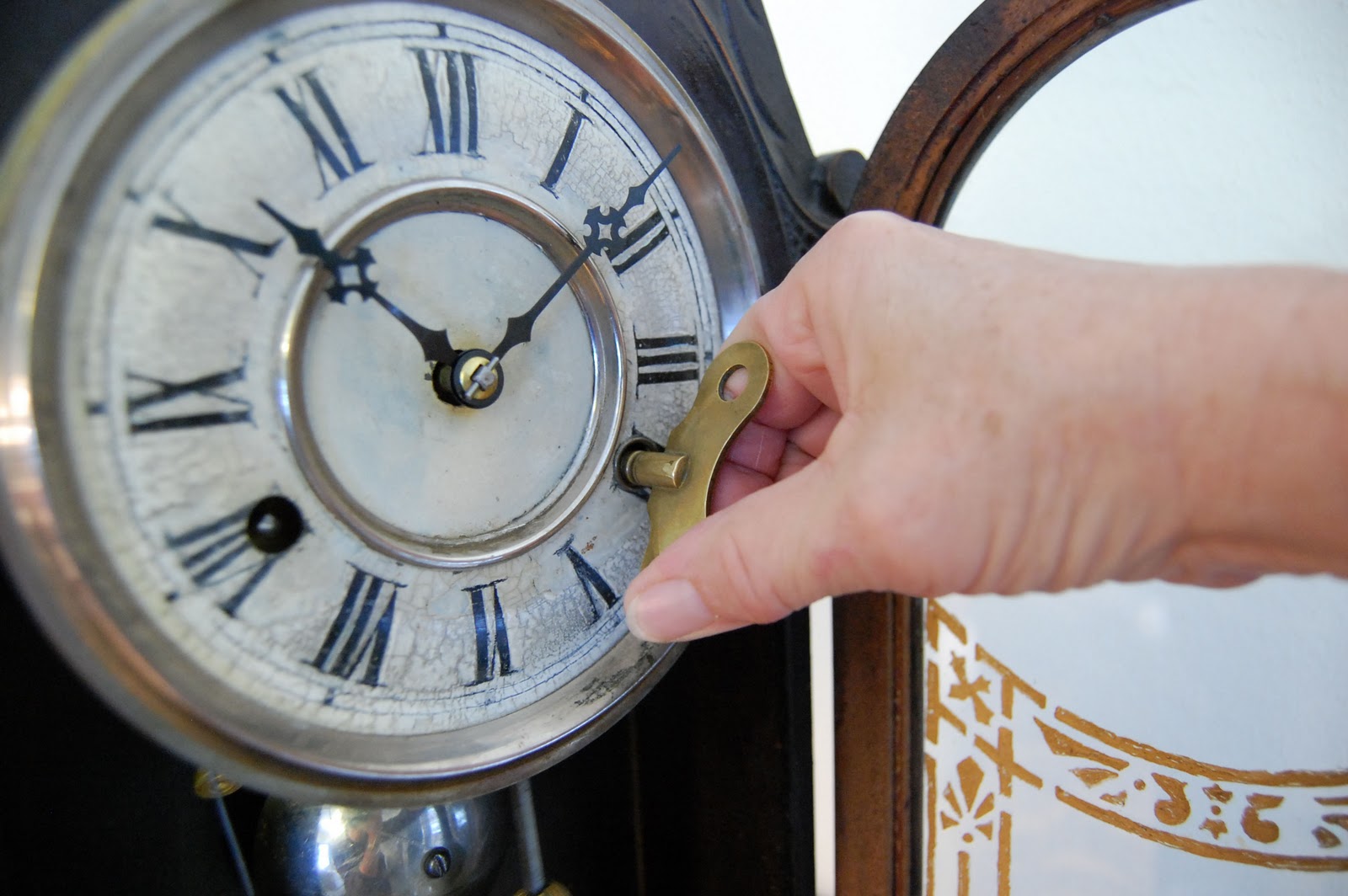
Sometimes my father would forget to wind the big clock, the weights would fall, and time would stop. We wind the clock. It does not have to wind us.

Barry Boyce, What Time is Now?

That’s all we have

Every moment in life is absolute itself. That’s all we have. There is nothing other than this present moment; there is no past, there is no future; there is nothing but this. So when we don’t pay attention to every little this, we miss the whole thing. And the contents of this can be anything. This can be straightening our sitting mats, chopping an onion, talking to one we don’t want to talk to. It doesn’t matter what the contents of the moment are; each moment is absolute. That’s all there is, and all there ever will be. If we could totally pay attention, we would never be upset. If we’re upset, it’s axiomatic that we’re not paying attention. If we fill our days and we miss not just one moment, but one moment after another, we’re in trouble.

Charlotte Joko Beck

Standing still?

There is a problem in thinking that you are supposed to be advancing in your practice all the time. You don’t have to constantly be on the road. If you have a flat tire, that is also part of the journey. Ambition makes you feel that you are not doing anything. There seems to be a hypnotic quality to ambition and speed, so that you feel that you are standing still just because you want to go so fast. You might actually be getting close to your goal.

Chögyam Trungpa

Responding or reacting

The two modes of living, Responsive and Reactive, are the foundation of human nature. We have no choice about the vital aims they serve – avoiding harms, approaching rewards, and attaching to others – nor about the brain’s capacity to be in either mode. Our only choice is which mode we’re in.

Happily, the Responsive mode is the resting state, the default, of body and mind. It’s what you return to when you’re not rattled. In the language of systems theory, the Responsive mode is the most fundamental “strange attractor” in the dynamic processes of your brain. Therefore, this mode is your underlying nature – not the Reactive one. You don’t have to scratch and claw your way to the mountaintop; if whatever is disturbing you comes to an end, you’ll soon come home to the lovely sunny meadow that has always been here – even if was hidden by the fogs and shadows of a troubled body or mind. Your deepest nature is peace not hatred, happiness not greed, love not heartache, and wisdom not confusion.

Rick Hanson

Showing up in our lives

One of the more difficult paradoxes to accept is that this abundance of gifts is always quietly present and that it is we who drift in and out of seeing it. The one recurring doorway to this vitality is our simple participation in life. When we slip into heartless watching, the abundance seems to vanish. When we dare to show up and be fully present, grace and wonder and mystery start to appear, even in the midst of pain. Not as planned dreams, or as images of lovers, or as scripts of success designed by our fantasies of ourselves. But as oddly shaped pods of vitality bursting to multiply and bring us further into the mystery of living.

Mark Nepo, The Exquisite Risk: Daring to Live an Authentic LIfe