….. staying with what is here

When we encounter things during the day, they can frequently spark off a rush of thoughts and emotions. Or sometimes even deeper reflections upon the direction we are going or how we have gotten to this point. Occasionally these are useful but at other times they can easily lead into self-judgment and doubt. Most of our daily practice is just staying with the awareness of how things are now, in this moment, and not the thoughts about this moment. And it is still the same practice if strong emotions have been triggered automatically – often before we can even notice – by some of the things we meet. So, instead of going too far into the thoughts provoked, we try to stay with the sensations in the body, holding a space around them. Staying with what is here, not thinking ourselves into what is not here.

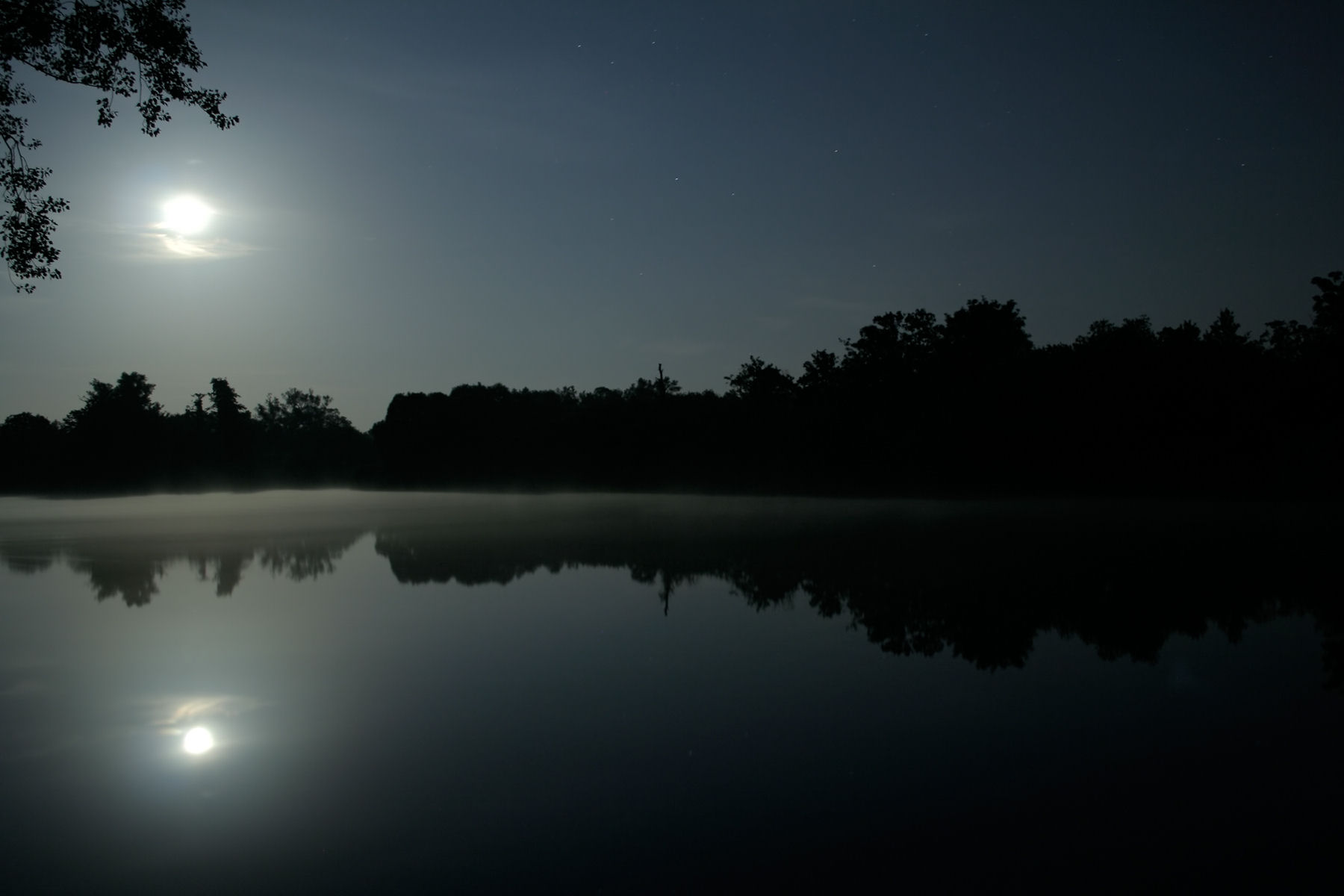
Who was the first man to see the moon on the river bank?  In what year did the moon first shine on man?

Human lives ceaselessly come and go, generation after generation, but the moon and the river stay constant year after year.

I don’t know who the moon and the river are waiting for, I only see the waters of the Yangtze flowing away.

Zhnag Ruoxu, Tang Dynasty poet.

Under our feet

At the entrance to some Zen Temples in Japan one finds a sign, saying simply kyakka-sho-ko. One way of translating this is Look under your feet. Like most zen sayings it is open to numerous interpretations, but the one I like to consider is the way that meditation, or entering any sacred space, begins right where we are standing, in the circumstances of our ordinary life. We may not even consider this as being worthy of attention or deserving special notice. We can find our daily life so distracted and drab that we may think that our real life lies elsewhere, or our happiness lies when we get some of the elements that are missing now. How often we do this – undervalue our actual life, or the opportunities presented for love in actual daily tasks, thinking that a more special version of life exists elsewhere. We are not helped by that fact that modern culture encourages dissatisfaction with what we have, always presenting something new and something better. And that this culture is a powerful narcotic. So we can find that we are not interested on what is under our feet, but prefer to look around or elsewhere, to live with our head in the clouds, planning or worrying, waiting…… anywhere other than just in this moment

So this phrase says to me – Look around, notice, appreciate, take care of what you have. This life, this place, this family, this relationship, this time. It reminds me that every moment – even ordinary activities such as eating, walking, shopping or cleaning the house  –  is where I can cultivate my attention. It carries an echo of that famous phrase – when we are eating,  we give our full attention to our eating, while walking we pay full attention to the sensation of walking.  The sacred is found in the ordinary; the ground of our growth is deep within our own being. Mindfulness practice in its simplest, is essentially developing the capacity to sit –  to be with ourselves –  and to be happy there.

Just not know

This moment, this situation that faces us right now – this patient, this person, this family, this illness, this task, this pain or beauty –  we have never seen it before. What is it? How do we respond? I don’t know. Not knowing, I am ready to be surprised, ready to listen and understand, ready to respond as needed, ready to let others respond, ready to do nothing at all, if that is what is called for. I can be informed by my past experience but it is much better if I am ready and able to let that go, and just be present, just listen, just not know. Experience, knowledge, wisdom – these are good, but when I examine things closely I can see that they remove me from what’s in front of me. When I know, I bring myself forward, imposing myself and my experience on this moment. When I don’t know, I let experience come forward and reveal itself. When I can let go of my experience, knowledge, and wisdom I can be humble in the face of what is, and when I am humble I am ready to be truly fearless and intimate. I can enter into this moment, which is always a new relationship, always fresh. I can be moved by what happens, fully engaged and open to what the situation will show me.

Norman Fischer, Not knowing is most intimate

Staying present with difficult times

Each time you stay present with fear and uncertainty, you’re letting go of an habitual way of finding security and comfort. All those brain studies about meditation — where they place people in MRI machines or put electrodes on their heads — show us that each time you dare to remain where you are and do something completely fresh, unconventional, and nonhabitual, you open up new pathways in the brain. You experience that as strength and it builds your capacity to be open the next time around. By contrast, each time you follow your habitual approach, you reinforce the old pathway and make it more likely that you’ll go that way once again next time around.

We get many reruns in life, big reruns and small reruns. If your heart is gripped by jealousy or rage or loneliness or any other manifestation of fear, you don’t have to learn from it all at once. It’s not like if you get it right once, if you overcome your jealousy or anger once, then it’s smooth sailing with that emotional pattern for the rest of your life. There will be reruns. It will keep coming back, following the old grooves in the brain. That means you have lots and lots of chances to rouse yourself and let go. No need to exaggerate an emotional pattern, fixate on it, fuel it with more thoughts, or go into a tailspin. When you feel the shakiness, when the thoughts start to arise, when the tailspin is beginning, another rerun is in progress. You simply rouse yourself and let yourself be there.

Pema Chodron.

Allowing things be as they are

Letting go of what arises in the mind leads to witnessing the cessation of that which has arisen. Then there is the true peace of allowing things be as they are. No longer are we someone who has to get somewhere, do something, get rid of something or change something. When we’re caught in distracting ourselves with pleasures, then we’re somebody, and somebody who has to find happiness, or have success or become something. No matter how much excitement or pleasure I might experience, I have to have more than that. We are never content with the excitement and adventures of life. They just cause us to be caught up in that movement of having to have more and more – until you get burnt out. Then you go to the opposite extreme where because you are tired and worn out from all the excitement, and stimulation you just break down, fall asleep, get drugged or drunk…. You can only have so much excitement and then you can’t bear it any more.

Ajahn Sumedho, The Way it is.

Do not prepare your joys

The passion in this quote is striking. Each moment is there to be seized, to be discovered in all its depths. We can miss out if we spend our time anticipating moments of happiness elsewhere, or in the future. Indeed, too much focus on our aspirations for our future, our self-development and career paths, can create pressure and lead us into a habit of leaning away from this moment. Often all it succeeds in doing is making us unhappy with who we are.

Seize from each moment

its unique novelty

and do not prepare your joys.

André Gide