Stop inviting the future

Don’t prolong the past,

don’t invite the future,

don’t be deceived by appearances,

just dwell in present awareness.

Patrul Rinpoche

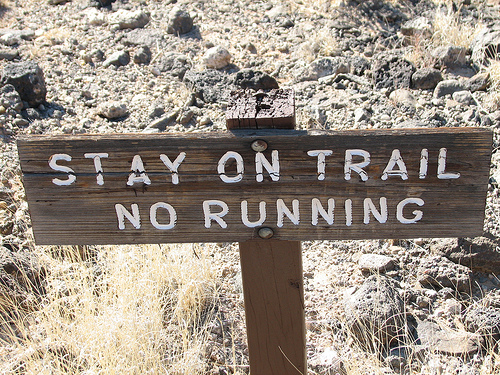
Even good and worthwhile,  things have the capacity to pull us away from what we should be doing at this moment, which may seem less exciting in comparison. We do not need to rush the future, just do what is in front of us today.  The different wisdom traditions often tell stories about this. The famous Zen proverb – Before enlightenment; chop wood, carry water.  After enlightenment; chop wood, carry water  – can help us be in the moment and put our whole selves into whatever we are doing. In the tradition of the Church we are often encouraged to remember the example of those who performed their everyday duties with great love, touching the loves of those around them. Sometimes we can get too focused on the special moments, when it is the ordinary things like doing paperwork or making the lunch that count. Or we get deceived by the “appearance” and the imagining of the future in our minds, and are blinded to the actual reality of the task in front of us. As Therese of Lisieux reminds us, Nothing is small in the eyes of God. Do all that you do with love. In the end, it is just another way of reminding us that the present moment is the key to our happiness and our health. We have no place special to go. Happiness is right in front of us.

Why we miss real understanding

When time is reduced to linear progress,

it is emptied of presence.

John O’Donoghue

Quietness

Better is one handful of quietness

than two hands full of toil

and grasping after the wind.

Ecclesiastes 4:6

Where is God?

God changes appearances every second.

Blessed is the man who can recognize him in all his disguises. One moment he is a glass of fresh water; the next, your son bouncing on your knees, or an enchanting woman, or perhaps merely a morning walk.

Nikos Kazantzakis

Happiness is here, now

What this means is that we can find our own happiness and peace of mind,  just as we are in this very moment, because it is within us.

We don’t have to change our thoughts or change ourselves into someone else.

We don’t need to think that who we are, this “me,” is not good enough, smart enough,  or lucky enough to be happy.

Dzogchen Ponlop Rinpoche

Stay awake!

It is the acceptance of death that has finally allowed me to choose life. Elizabeth Lesser

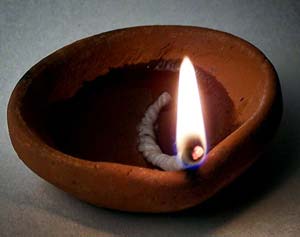
The gospel in this morning’s  liturgy is a well known one, reminding us of the need to be always on the alert for the return of the Master. It advises us to “stay awake, for you do not know the day or the hour“. We are urged to “always keep the lamps lit“. Initially understood as a reference to the immanent return of Christ,  it became applied to the awareness that life itself is precarious and that sickness and death can strike when we least expect.

This awareness of death can be very real when someone close to us is ill. However, it is also common in different wisdom traditions, including in Catholic and Buddhist practice,  to consciously reflect on death and on what legacy we would like to leave behind. The Dalai Lama recommends this as an ongoing practice, reminding us that death is part of life itself and is not bad in itself. He states that his daily meditation includes preparation for death: “Thinking about death not only serves as a preparation for dying and prompts actions that benefit future lives, but it also dramatically affects your mental perspective”

There is another way this morning’s text can be applied to our practice, not referring to the future or to our death. It simply reminds us to be awake , at every moment, to the different ways in which life presents itself, second by second. It is only in the present moment that we can fully be alive, as recent quotes on the blog remind us. We miss so much of life’s richness by not being present, or wishing to be elsewhere. We can often prefer the jabber in our heads or dreaming about some imagined future to the real life that is before us. Our minds love to be busy, running outward toward something they see and want, and then in the the next moment, turning inward toward some thought that feels good or planning for the future. The problem with this busyness, even when we are concerned with important things, is that we are not aware. We are thinking. The wisdom in this gospel text is lost if we use it just to prepare for death. We are called to be fully alert to all the ways that we can love life in each moment by being aware of what is going on.