Allowing ourselves some quiet in our busy lives

Finding quiet time isn’t a luxury; it’s essential for protecting our health.  It allows us to rest the body and the mind in a world that increasingly values speed and distraction.

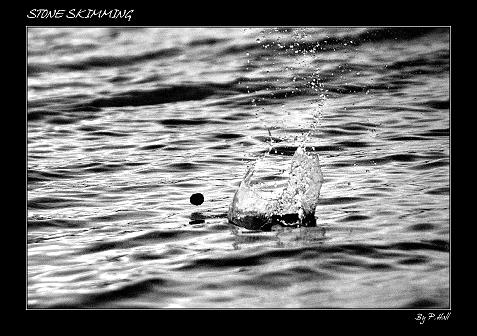
After a pebble touches the surface of the river, it allows itself to sink slowly. It will reach the bed of the river without any effort. Once the pebble is at the bottom of the river, it continues to rest. It allows the water to pass by.

I think the pebble reaches the bed of the river by the shortest path because
it allows itself to fall without making any effort. During our sitting meditation we can allow ourselves to rest like a pebble. We can allow ourselves to sink naturally without
effort to the position of sitting, the position of resting.

Resting is a very important practice; we have to learn the art of resting. Resting is the first part of meditation. You should allow your body and your mind to rest. Our mind as well as our body needs to rest. The problem is that not many of us know how to allow our body and mind to rest. We are always struggling; struggling has
become a kind of habit.

When an animal in the jungle is wounded, it knows how to find a quiet place, lie down and do nothing. The animal knows that is the only way to get healed-to lay down and just rest, not thinking of anything, including hunting and eating.  What it needs is to rest, to do nothing, and that is why its health is restored.  In our consciousness there are wounds also, lots of pains. Our consciousness also needs to rest in order to restore itself. Our consciousness is just like our body. Our body knows how to heal itself if we allow it the chance to do so.

Thich Nhat Hahn
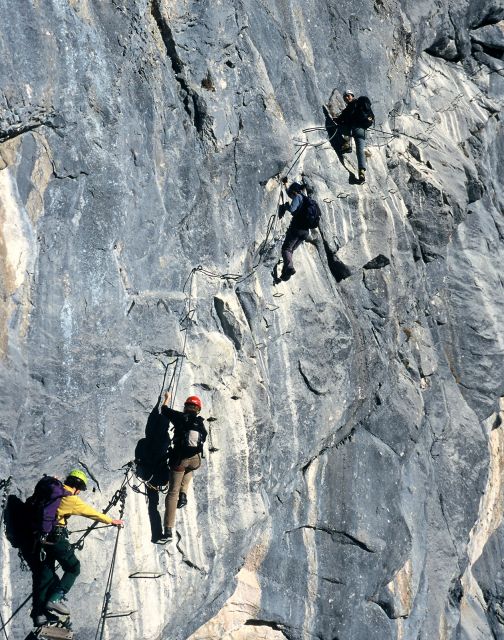
Keeping going

Life shrinks or expands

in proportion to one’s courage.

Anaïs Nin, Diary.

It’s not out there

We have a habit of looking in the wrong place for contentment. We tend to look outside ourselves, seeing others’ lives and other places as possessing a greater level of happiness than we currently possess. This often leads us to instinctively compare, provoking a movement within us that happens in a flash and then prompts the telling of a story about ourselves and about life, which leads to our mood going down. As I have written before, we end up comparing our present self to a better self, or to the ideal portrayal of lives which we find in society or which our insecurities about ourselves have generated. We find that a lot of our anxieties arise because we are trying to match up to what we think our life “should” be like, or what others portray as being happy.

It is easy to fall into this trap when we travel. We see a different from of life, maybe faster and more “exciting” than our own, or houses situated in a better location, or places of quiet that seem much more peaceful than where we live. So we lean towards those things, or we leave ourselves, not realizing that true contentment is found within. We get caught in idealized views of what is possible for ourselves and travel far in our minds and in our spirits from where we actually are. And this often means we end up thinking that something must be wrong with our  lives or with us.

Meditation practice is a training in learning to stay, staying with ourselves, not running outside ourselves after every passing stimulus about things which will pass away. It helps us to not attach too much solidity to these comparing thoughts, letting them pass through our minds without hooking on to them. We realize that they do not bring the contentment they seem to suggest. It helps us seek real happiness within, where we already are.

The primary focus of this path of choosing wisely…is learning to stay present. Pausing very briefly, frequently throughout the day, is an almost effortless way to do this. For just a few seconds we can be right here. Meditation is another way to train in learning to stay or…learning to come back, to return to the present over and over again.

Pema Chodron, Taking the Leap

Letting the mind settle

Do you have patience to wait till your mud settles and the water is clear?

Can you remain unmoving till the right action arises by itself?

Lao Tzu

Come down from the mountain

Meditators face a very real danger of coming to prefer the view from the top of the pole to their real life on the ground. But such peak moments, no matter how profound, always end, leaving us with the problem of how to live in accord with the perspective they provide. Unless we learn to step off the pole, our practice will devolve into mere addiction to the highs of peak experience.

Barry Magid, Ordinary Mind

I’m serious…

There is always the risk that people take the inner life with a little bit too much solemnity. Two quotes on this from quite different sources:

Pride is the downward drag of all things into an easy solemnity. One “settles down” into a sort of selfish seriousness.  Seriousness is not a virtue. It would be a heresy, but a much more sensible heresy, to say that seriousness is a vice. It is really a natural trend or lapse into taking one’s self gravely, because it is the easiest thing to do. For solemnity flows out of men naturally; but laughter is a leap. It is easy to be heavy: hard to be light. Satan fell by the force of gravity.

G. K Chesterson

One of the big problems in meditation is that we can take ourselves too seriously. We can see ourselves as religious people dedicated towards serious things, such as realising truth. We feel important; we are not just frivolous or ordinary people, going about our lives, just going shopping in the supermarket and watching television. Of course this seriousness has advantages; it might encourage us to give up foolish activities for more serious ones. But the process can lead to arrogance and conceit: a sense of being someone who has special mission or some goal of helping people, or of being exceptional in some way… This conceit, this arrogance of our human state is a problem that has been going on since Adam and Eve, or since Lucifer was thrown out of heaven. It’s a kind of pride that can make human beings lose all perspective; so we need humour to point to the absurdity of our self-obsession.

Ajahn Sumedho