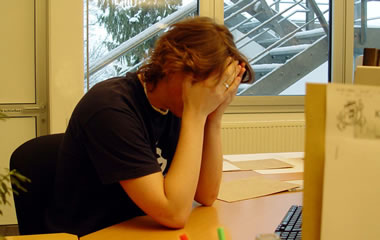
 Things change so quickly. On Friday the news was dominated by weddings and dresses, by pomp and circumstance. Yesterday we awoke to news of death and differences, and to the insecurity it provokes. Such changes can make the ground we stand on feel quite uncertain. However, it is not just change on a world level but how we deal with the smaller changes in our lives that determines our ongoing sense of inner peace and calm. We expend quite a lot of energy each day in trying to hold on to what is familiar and in attempting to make the world conform to how we would like it to be. The problem with this – other than the futile waste of energy – is that we limit our ability to experience joy in the present moment as it actually is. If we approach moments with fear, rather than opening to how they are, we cannot see the richness in them.
A contrary strategy works best: Stop trying to grasp, to control the world around you or the day ahead of you. In doing so you loosen the grip of fear and give each experience the possibility to bring its richness. Letting go of control lets go of suffering.
It is not because of impermanence that we suffer
But because of our ideas about permanence.
Thich Nhat Hahn


 Mindfulbalance