
If in our daily life we can smile,
if we can be peaceful and happy,
not only we, but everyone will profit from it.
This is the most basic kind of peace work
Thich Nhat Hanh
photo theduong
If in our daily life we can smile,
if we can be peaceful and happy,
not only we, but everyone will profit from it.
This is the most basic kind of peace work
Thich Nhat Hanh
photo theduong
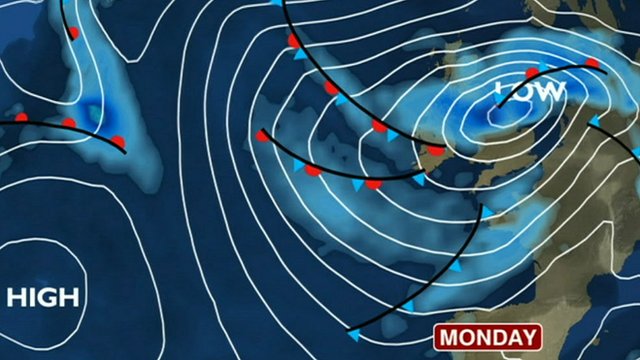
The weather is very changeable here in Ireland this January. Beautiful bright days are followed by stormy ones, which give way to grey and then another early Spring day appears. It is no wonder the plants are confused.
We all accept that no one controls the weather. Good sailors learn to read it carefully and respect its power. They will avoid storms if possible, but then caught in one, they know when to take down the sails, batten down the hatches, drop anchor and ride things out, controlling what is controllable and letting go of the rest. Training, practice, and a lot of firsthand experience in all sorts of weather are required to develop such skills so that they work for you when you need them. Developing skill in facing and effectively handling the various “weather conditions” in your life is what we mean by the art of conscious living.
Jon Kabat-Zinn

We need to periodically ask, “What wants to come into the world through me?” This is not an ego-driven, narcissistic question. It is a query which summons us to show up, to serve something larger than the familiar, the comfortable. Surely one of the most telling tests of our lives is whether we are living in a way which is driven more by challenge than by comfort, one which asks more of us than we had planned to offer.
James Hollis, Embracing the New: Avoiding a Routinized Life

The river flows rapidly down the mountain, and then all of a sudden it gets blocked with big boulders and a lot of trees. The water can’t go any farther, even though it has tremendous force and forward energy. It just gets blocked there. That’s what happens with us, too; we get blocked like that. Letting go at the end of the out-breath, letting the thoughts go, is like moving one of those boulders away so that the water can keep flowing, so that our energy and our life force can keep evolving and going forward. We don’t, out of fear of the unknown, have to put up these blocks, these dams, that basically say no to life and to feeling life.
Pema Chodron
photo jim champion

I believe nothing — what need
Surrounded as I am with marvels of what is,
This familiar room, books, shabby carpet on the floor,
Autumn yellow jasmine, chrysanthemums, my mother’s flower,
Earth-scent of memories, daily miracles,
Yet media-people ask, “Is there a God?”
What does the word mean to the fish in his ocean, birds
In his skies, and stars?
I only know that when I turn in sleep
Into the invisible, it seems
I am upheld by love, and what seems is
Inexplicable here and now of joy and sorrow,
This inexhaustible, untidy world —
I would not have it otherwise.
Kathleen Raine, I Believe Nothing
 photo albert bridge
We need to question our concepts about how we want things to be and what we want people to become. If we can let go of some of that, we can see more clearly what we can and cannot do. We can learn not to obsess about all the problems we cannot solve, but to sort through them to find the one or two things we can actually do that might be helpful. It is better to do one small helpful thing than punish yourself for the many things beyond your power and ability to change or affect. Some problems can be solved, some cannot, and some are best left unsolved.
Judy Lief, The problem with problems
photo olgierd rudak
 Mindfulbalance