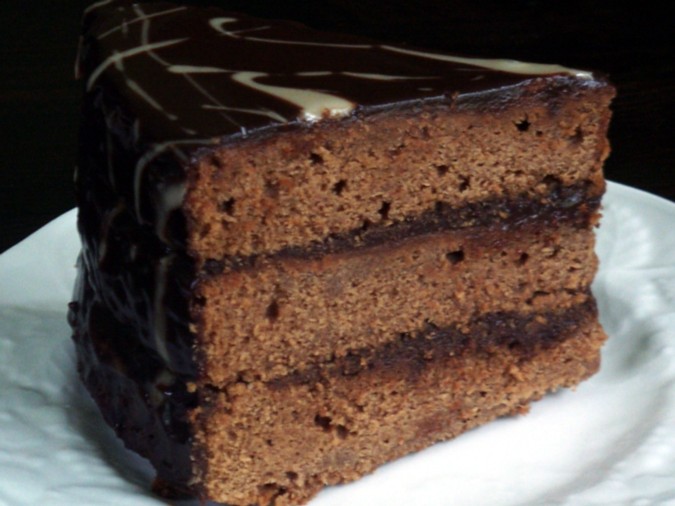
 Most people mistake the habitually formed, neuronally constructed image of themselves for who and what they really are. And this image is almost always expressed in dualistic terms: self and other, pain and pleasure, having and not having, attraction and repulsion. As I’ve been given to understand, these are the most basic terms of survival. Unfortunately, when the mind is colored by this dualistic perspective, every experience — even moments of joy and happiness — is bounded by some sense of limitation. There is always a but lurking in the background. One kind of but is the but of difference. “Oh, my birthday party was wonderful, but I would have liked chocolate cake instead of carrot cake.” Then there is the but of “better.” “I love my new house, but my friend John’s place is bigger and has much better light.” And finally there is the but of fear. “I can’t stand my job, but in this market how will I ever find another one?” Personal experience has taught me that it’s possible to overcome any sense of personal limitation.
Yongey Mingpur Rinpoche, The Joy of Living



 Mindfulbalance