An opportunity

File:Grafton Street - geograph.org.uk - 1410307.jpg

Whether we are on the busy streets of New York or in the solitude of a mountain cave in Nepal, our happiness and contentment are completely in our own hands. Sitting meditation enables us to rest our mind in a present and cheerful way. When we sit, we make a direct relationship to the source of happiness. At the base of that experience is a quality of happiness, which is not a sense of giddiness, but of relaxation. Wherever we are, life is going to be coming at us. But if we use our lives as an opportunity to develop and enhance our mind, we will always be able to acknowledge that we are in a precious situation.

Sakyong Mipham Rinpoche

photo of Grafton st Dublin by Oliver Dixon

Sunday Quote: Your Comment

File:Bantry Bay viewed from Adrigole - geograph.org.uk - 485624.jpg

That’s the big question, the one the world throws at you every morning.

“Here you are, alive. Would you like to make a comment?”

Mary Oliver, Long Life: Essays and Other Writings

photo of Bantry bay, philip Halling

The space in between

File:Glendalough, Ireland.jpg

I spent yesterday morning in the lovely retreat house at the Tearmann Spirituality Center  in Glendalough,  Co. Wicklow,  with the MBSR group I am currently working with. A quiet morning of sitting meditation and walking, and space in the wide expanses of the mountains and the forest. We tend to get consumed by the activities we do,  the words we say, the thoughts we think,  and the things we have. Our minds get drawn there, and not to the spaces before and after that hold them. What if the gaps were more important? What if we practiced  focusing more on the spaces around moments, nurturing them and making wider the gaps within and without? These are the home of the spirit. They nourish us, widening the heart and giving life.

Ezekiel excoriates false prophets as those who have “not gone up into the gaps.” The gaps are the thing. The gaps are the spirit’s one home, the altitudes and latitudes so dazzlingly spare and clean that the spirit can discover itself like a once-blind man unbound. The gaps are the clefts in the rock where you cower to see the back parts of God; they are fissures between mountains and cells the wind lances through, the icy narrowing fiords splitting the cliffs of mystery. Go up into the gaps. If you can find them; they shift and vanish too. Stalk the gaps. Squeak into a gap in the soil, turn, and unlock — more than a maple — universe.

Annie Dillard, Pilgrim at Tinker Creek

photo,  Glendalough,  pixie from he

Learning from water

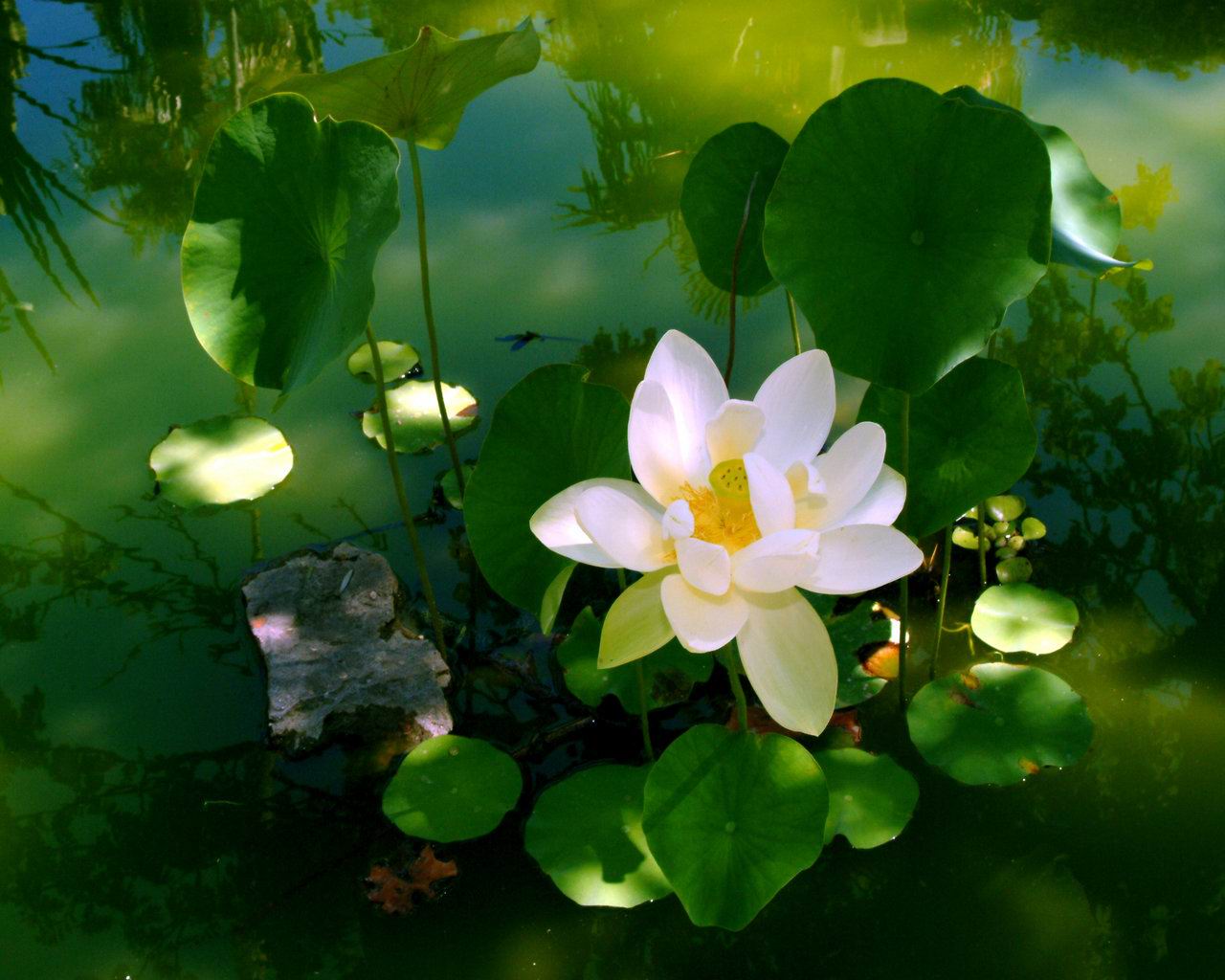
Edenpics-com_005-093-Sacred-Water-lily-also-called-Blue-Lotus-Indian-Lotus-or-Bean-of-India.75200328I want the way

the water sees without eyes,
hears without ears,
shivers without will or fear
at the gentlest touch.
 
I want the way it
accepts the cold moonlight
and lets it pass,
the way it lets
all of it pass
without judgment or comment.
 
There is a lake,
Lalla Ded sang, no larger
than one seed of mustard,
that all things return to.
O heart, if you
will not, cannot, give me the lake,
then give me the song.

from Jane Hirshfield, Lake and Maple

Depth and richness

sitting2

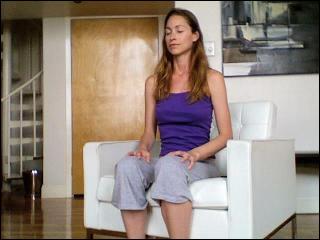
Settle down in your room at a moment when you have nothing else to do. Say “I am now with myself,” and just sit with yourself. After an amazingly short time you will most likely feel bored. This teaches us one very useful thing. It gives us insight into the fact that if after ten minutes of being alone with ourselves we feel like that, it is no wonder that others should feel equally bored! Why is this so? It is so because we have so little to offer to our own selves as food for thought, for emotion and for life. If you watch your life carefully you will discover quite soon that we hardly ever live from within outwards; instead we respond to incitement, to excitement. In other words, we live by reaction… We are completely empty, we do not act from within ourselves but accept as our life a life which is actually fed in from the outside; we are used to things happening which compel us to do other things. How seldom can we live simply by means of the depth and the richness we assume that there is within ourselves.

Archbishop Anthony Bloom, Learning to Pray

With our flaws

File:Twisted tree - geograph.org.uk - 1167885.jpg
We don’t have to hate ourselves for our own vulnerability. We don’t have to hate ourselves for what life has done to us.
We don’t have to hate ourselves because hurt or loss or longing has gotten to us. Our desires will always be with us in some form, keeping us firmly attached to a world that will hurt us.

We must come to love ourselves, love our life in its vulnerability, in its impermanence, not in spite of all its flaws, but because of them

Because the vulnerability, the changes, the flaws,  make us who we are.

 
Barry Magid, Ending the Pursuit of Happiness
photo: alan Murray-Rust