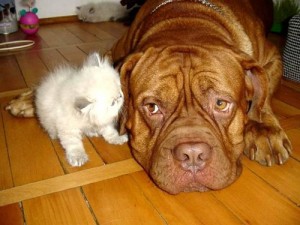
No creature ever falls short of its own completion.
Wherever it stands it does not fail to cover the ground
Dogen
No creature ever falls short of its own completion.
Wherever it stands it does not fail to cover the ground
Dogen
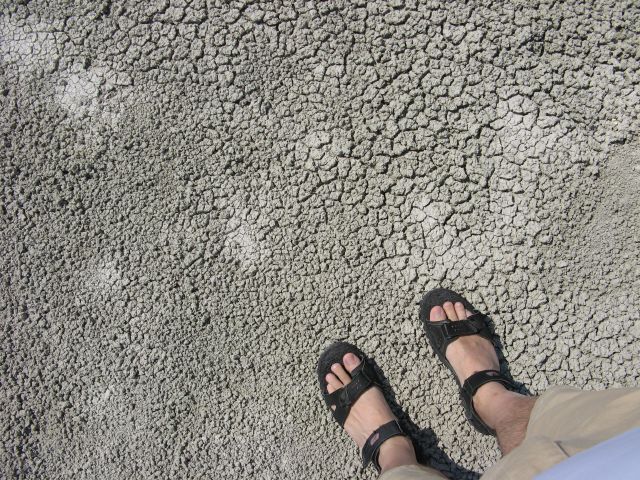
The death of the self may be full of the fear of letting go, of stepping off into the void, thinking that nothing will stop our fall, not recognizing that the void is our true nature. The void is the vastness in which we are occurring, it is the truth itself, and the whole idea of “someone” stepping off is just another bubble passing through. And we don’t any longer need to define who we are, because who we become each moment is so much more than what we ever imagined. There’s no need to limit who we really are with any definition. We are all of it. And only the contents of this vastness of mind, once identified with as a separate self, limit who we are.
Steven Levine, A Gradual Awakening

In all things in nature
there is something
of the marvellous
Aristotle
photo wing-chi poon

We often find it easier to change and fix ourselves than to just accept ourselves, and as Pema Chodron once said, this can sometimes mask a subtle form of aggression towards ourselves. Frequently, we expect some kinds of perfection in everything we undertake, so this variation on loving-kindness practice – suggested by Dr. Willoughby Britton – might be helpful. She recommends choosing one of the phrases and repeating them during the day, or when we are sitting in meditation:
I allow myself to be imperfect
I allow myself to make mistakes
I allow myself to be a learner in life
I forgive myself
May I be free
photo yuya sekiguchi

Just sitting means just that. That ‘just’ endlessly goes against the grain of our need to fix, transform, and improve ourselves. The paradox of our practice is that the most effective way of transformation is to leave ourselves alone. The more we let everything be just what it is, the more we relax into an open, attentive awareness of one moment after another.
Barry Magid, Leave yourself alone
photo nevit dilmen

Trauma is not just the result of major disasters. It does not happen to only some people. An undercurrent of trauma runs through ordinary life, shot through as it is with the poignancy of impermanence. I like to say that if we are not suffering from post-traumatic stress disorder, we are suffering from pre-traumatic stress disorder. There is no way to be alive without being conscious of the potential for disaster. One way or another, death (and its cousins: old age, illness, accidents, separation and loss) hangs over all of us. Nobody is immune. Our world is unstable and unpredictable, and operates, to a great degree and despite incredible scientific advancement, outside our ability to control it.
Mark Epstein, The Trauma of Being Alive, New York Times, August 2013
 Mindfulbalance